How Long Does It Take for Edibles to Kick In?
Edibles typically take 30–90 minutes to kick in. Most people feel initial effects within 45–60 minutes, peak effects after 2–3 hours, and full effects can last 6–8 hours or longer depending on dose, metabolism, and tolerance.
The Waiting Game Nobody Warned You About
Edibles test patience in a way cannabis flower never does. Someone takes a gummy, checks the clock, feels normal, then starts questioning the dose. That moment is where most edible stories go sideways. Timing, more than potency, shapes how edibles actually feel.
Here is what first-timers should have dialed in before opening the package:
- Edibles move through your digestive system instead of your lungs
- Feeling nothing for the first hour sits well within the normal range
- Adding more too early causes most uncomfortable experiences
- Consistent production leads to far more predictable outcomes
In Montana, edibles picked up momentum quickly once legalization arrived. Some delivered steady, repeatable experiences. Others felt unpredictable from one bite to the next. That difference usually comes down to how they are made and how clearly expectations are set at purchase.
Edibles have always been treated as precision products by Elevated. Everything is produced in-house using lab-grade distillate and carefully infused butter, then handled by experienced bakers who focus on consistency from batch to batch.
Just as important, customers talk with budtenders who explain onset time, duration, and dosing before anything leaves the store. That approach comes from years in the medical program, where reliability mattered far more than novelty.
This guide breaks down what happens after you eat an edible, why the wait feels long, and how effects typically unfold once they arrive.
Why Edibles Feel Tricky for First-Time Users
Edibles are problematic because of the gap between eating and feeling something.
That stretch of time creates uncertainty, and uncertainty drives decisions. Most uneasy edible experiences trace back to expectations borrowed from smoking, where feedback is immediate and adjustments happen fast.
Edibles operate on a slower, quieter timeline, and that difference takes some time to learn.
Edibles vs Smoking: Why the Experience Feels So Different
When cannabis is smoked or vaped, cannabinoids move from the lungs straight into the bloodstream. Effects usually show up within minutes, peak quickly, then fade on a predictable curve.
Edibles take their sweet time. They move through the digestive system, get processed by the liver, and only then reach the bloodstream.
That delay changes how people read their own experience. With smoking, you feel the result before doubt sets in. With edibles, doubt often arrives first. The body stays quiet while the clock keeps moving, and the mind fills in the silence.
The Mistakes That Cause Most Edible Problems
Most issues come from timing decisions made too early. The patterns show up again and again in customer stories. Here are the most common errors of judgement that beginner frequently commit.
- Taking a second dose before the first has time to register
- Eating edibles late at night without accounting for next-day obligations
- Treating a 10 milligram serving as a universal standard
- Expecting the same feedback loop as smoking or vaping
These choices usually stem from impatience rather than excess. The body is still processing, but the user assumes nothing is happening. When the doses stack, the effects arrive together and feel heavier than expected.
Why Edibles Are Worth It When Handled Correctly
Edibles offer something smoking does not. The effects last longer, the body experience feels steadier, and dosing can become very repeatable when products are made well. Lung irritation stays out of the equation, and the overall experience often feels more physical and grounding.
At Elevated, that reliability comes from control over the entire process.
Edibles are produced in-house using measured distillate and infused butter, then baked or formulated by teams who focus on consistency from batch to batch. Budtenders walk customers through timing and dosing before the purchase happens.
So… How Long Do Edibles Actually Take to Kick In?
Edibles do not reward shortcuts and you have to time them well. This may not be easy when you are impatient and have high expectations, and expectations shape the experience.
When people know what the timeline usually looks like, the waiting stops feeling personal.
The Typical Edible Timeline
Most THC edibles follow a fairly steady arc for the majority of people.
During the first 30 to 45 minutes, nothing obvious happens. No buzz, no body change, no mental shift. This window causes more second guessing than any other part of the experience, even though it sits squarely inside the normal range.
Around 45 to 60 minutes, subtle changes start to show up. The body may feel looser. Thoughts slow slightly. Music lands a little differently. These early signals are easy to miss if someone is actively searching for a strong effect.
Between 90 and 120 minutes, the experience becomes clear. The high feels established rather than tentative. This is where most people realize the edible is working and where dosing decisions should stop.
At 2 to 3 hours, effects usually peak. Body sensations feel fuller, time perception may stretch, and focus narrows. For many people, this window defines how they will describe the edible afterward.
Some people feel effects sooner, especially with lower body weight or faster digestion. Others take longer. Both outcomes fit well within normal behavior.
Why the Wait Is Longer Than Smoking
Smoking delivers cannabinoids through the lungs straight into circulation. Edibles take a longer route that involves several steps.
First, the edible has to be digested. Next, cannabinoids move into the bloodstream. Then the liver processes THC into 11-hydroxy-THC, which feels stronger and lasts longer for many people.
That sequence takes time. Eating more does not speed it up. Trying to push the process usually stacks doses instead, which changes the experience later rather than sooner.
How Effects Usually Start and Why People Panic Here
Edible effects rarely arrive all at once. They tend to creep in.
Most people notice:
- Light body warmth
- A gentle mood shift
- Changes in time perception
- Heightened awareness of sensations
This slow build creates space for anxiety, especially for people who monitor their heartbeat or internal sensations closely. The body feels different before it feels settled. Knowing that this stage levels out helps keep that awareness from spiraling.
Stability often arrives shortly after the peak sets in. The experience becomes easier to ride once it stops changing so quickly.
Why You Should Never Redose Too Soon
Redosing early causes more problems than high potency ever does. When multiple doses hit at once, the effects stack and feel heavier than planned.
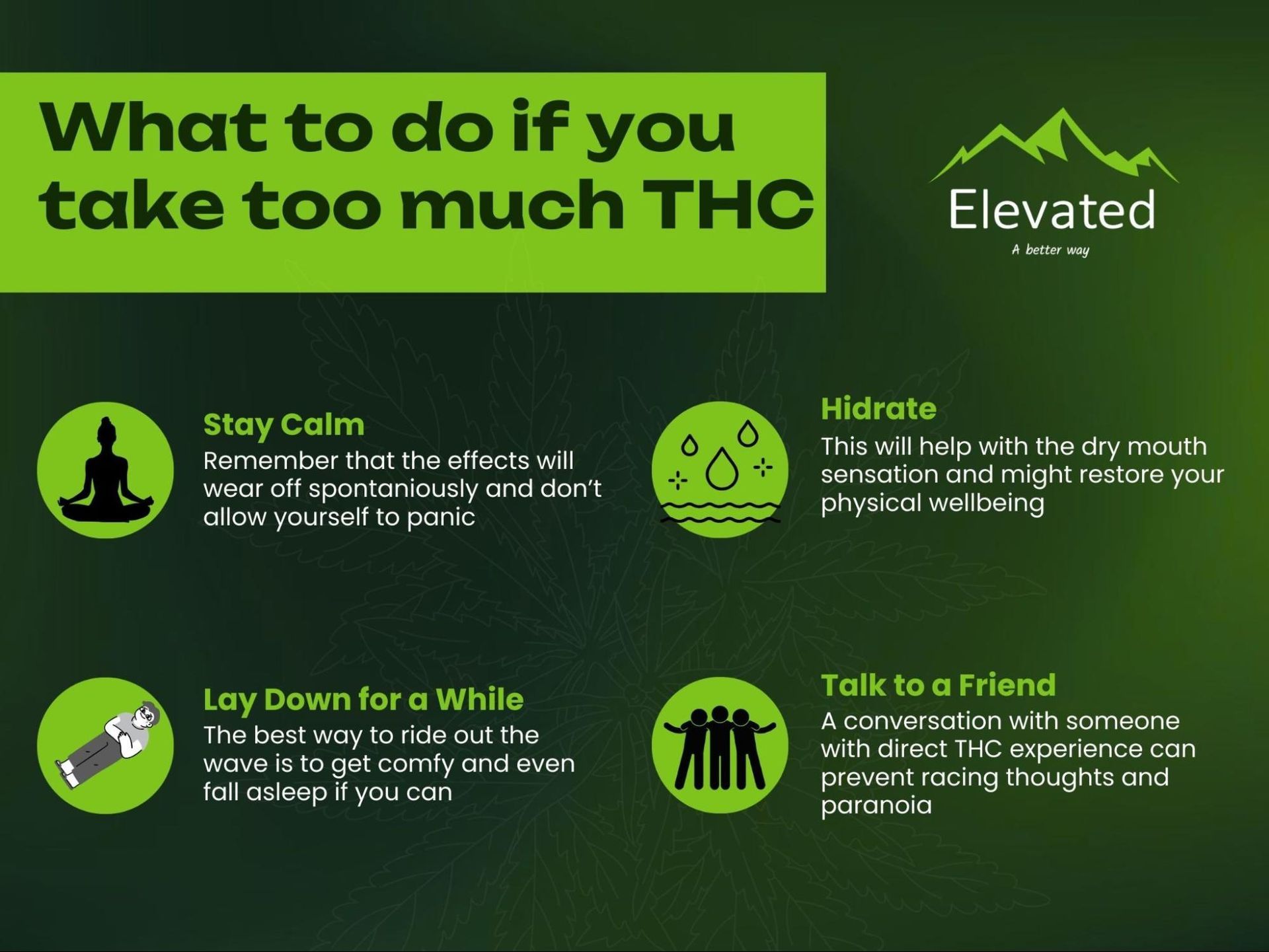
A simple rule keeps people out of trouble - wait a full two hours before even considering more.
If the edible is going to work, it will show up by then. Patience does more for comfort than any adjustment made too early.
How Long Do Edible Effects Last?
Edibles play the long game. Once they settle in, they tend to stay put. That staying power is part of what makes them appealing and part of what catches people off guard. Planning around duration keeps the experience comfortable instead of inconvenient.
Average Duration
For most people, edible effects last 6 to 8 hours from the first noticeable shift to a clear return to baseline. Higher doses often stretch that window into the 8 to 12 hour range, especially when digestion runs slow. Some people also notice light grogginess the next morning, similar to waking up after a late night rather than feeling actively high.
These timelines explain why edibles pair better with open schedules than packed calendars. They reward evenings, days off, and moments where there is room to settle in.
What Each Stage Feels Like
- Onset (1 to 2 hours): The early stage feels gentle. Thoughts soften, muscles relax, and attention turns inward. Anticipation usually runs higher than intensity here.
- Peak (2 to 4 hours): This is the heart of the experience. Body effects feel deeper, time stretches, and focus narrows. Many people describe this stage as immersive rather than chaotic when dosing lines up well.
- Comedown (4 to 8 hours): The intensity fades gradually. Calm replaces stimulation, and sleep often comes easily. For others, this phase feels like coasting rather than dropping off.
When You Will Feel Fully Sober Again
Mental clarity usually returns by the next day. Heavy doses can leave faint after-effects like slower thinking or a low-energy morning, especially if sleep runs short.
Hydration, food, and rest tend to smooth that out.
Edibles ask for patience, then repay it with long lasting relief. When the timeline fits the plan, that longer arc becomes part of the appeal rather than a surprise.
What Affects How the Edibles Hit You
Two people can eat the same edible, from the same batch, at the same time, and walk away with very different takeaways. That variability sits at the center of most edible confusion. The product matters, but so does the person eating it and the context around the moment.
Edible Strength and Format
Dose sets the ceiling for how strong an edible can feel, but format influences how quickly that strength becomes noticeable.
Higher doses tend to announce themselves sooner simply because the effects are easier to detect once they begin. Lower doses may take longer to recognize, even though the timing under the hood looks similar.
Formats matter as well.
THC-based gummies and cannabis drinks often feel faster than baked goods because some cannabinoids absorb through the mouth before digestion finishes. Swallowed products like cookies or brownies rely more fully on digestion, which stretches the onset window.
Precise dosing reduces surprises. Products made with measured distillate deliver the same amount of THC every time, which helps people build a sense of timing and comfort instead of guessing with each experience.
Your Body and Tolerance
Your body plays a large role in how edibles behave. No label can account for that.
Several factors influence timing and intensity:
- Metabolism speed, which affects how quickly food and cannabinoids are processed
- Body composition, which influences how THC distributes and lingers
- Cannabis experience, since regular use often raises tolerance
- Liver enzyme activity, which shapes how strongly 11-hydroxy-THC is felt
Two people, same edible, completely different timelines. That difference does not mean something went wrong. It reflects how personal the edible experience really is.
External Factors That Matter More Than You Think
Context changes outcomes. Small details shift both onset and duration.
Consider how these factors play in:
- An empty stomach often leads to faster onset, while a full meal slows things down
- Alcohol can amplify intensity and blur timing
- Stress and anxiety sharpen body awareness, which can make effects feel stronger
- Sleep and hydration influence how smoothly the experience unfolds
Edibles respond to the whole picture, not just the milligrams. When those pieces line up, the experience feels steady and predictable. When they do not, timing stretches and sensations feel harder to read.
Why Elevated Is the Best Place to Buy Edibles in Montana
Good edibles create confidence since they are precisely dosed. When people feel unsure about timing or intensity, trust in the product and the people behind it makes the difference between a relaxed experience and a stressful one.
What Elevated Brand Is All About
Elevated was built in Montana and grown alongside Montana’s cannabis community. The company came up through the medical program, long before recreational shelves filled up, and that history still shows.
The focus stays on consistency, education, and taking care of the person across the counter.
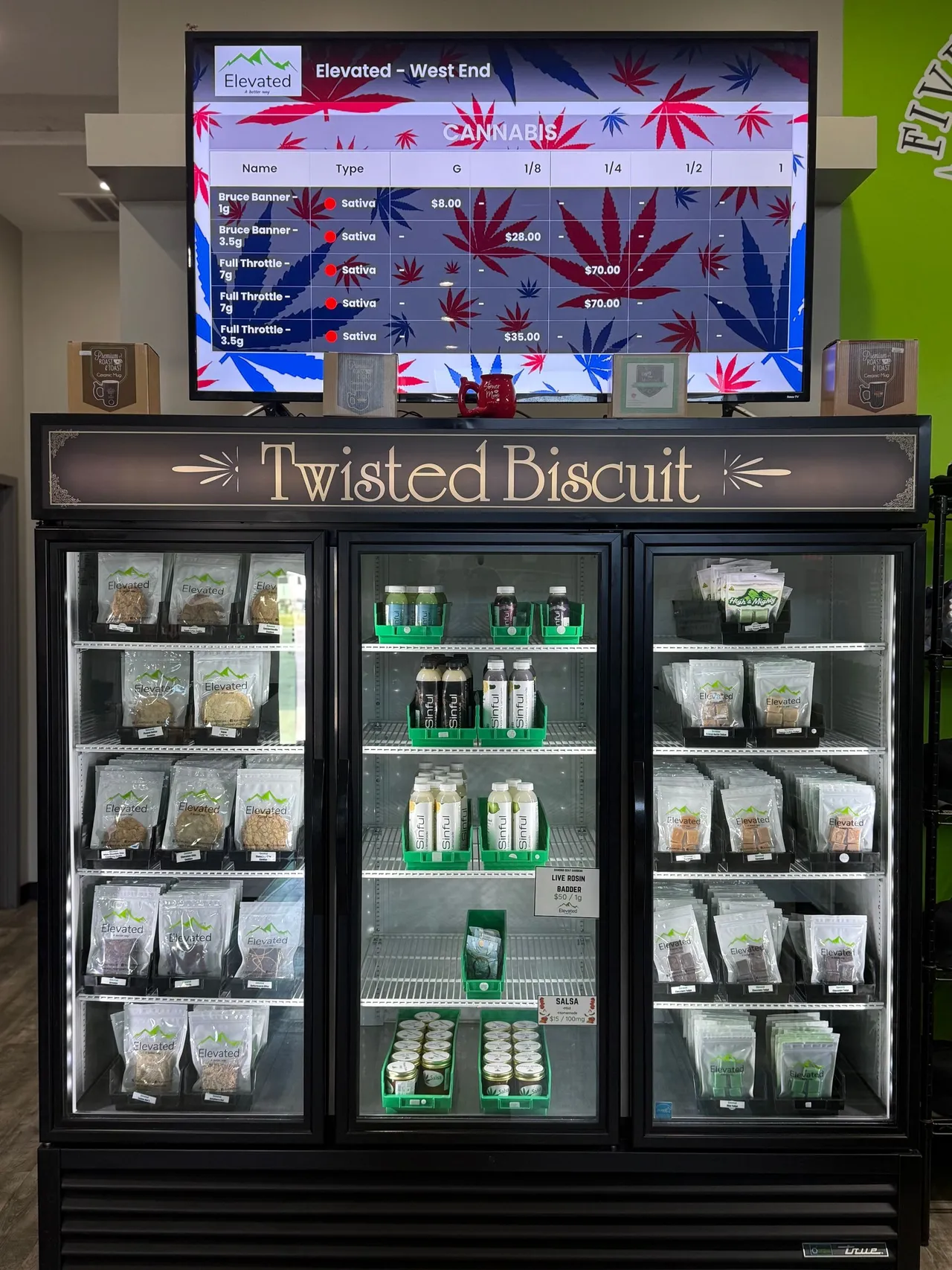
The in-store experience reflects that mindset. There are no wall menus pushing quick decisions. Instead, budtenders take time to explain how edibles work, how long they usually take to kick in, and how long the effects tend to last.
That conversation can make a difference for people still learning how edibles fit into their routine.
Why In-House Production Matters
Making edibles in-house keeps control where it belongs. We use lab-grade THC distillate and carefully infused butter so each batch starts from a known point. Experienced bakers handle production with attention to repeatability, which keeps one cookie from feeling wildly different than the last.
Accurate dosing builds trust over time. When an edible behaves the way it did last time, people stop guessing and start planning. Cleaner flavor helps too. When the taste stays consistent, the focus shifts away from questioning the product and toward enjoying the experience.
That level of control supports predictability, which matters most for people still learning their timing. Confidence grows when results line up with expectations.
Recommended Elevated Edibles for Predictable Experiences
- High & Mighty Chocolate Chip Cookie
A familiar format with balanced effects and a steady build that fits relaxed evenings.
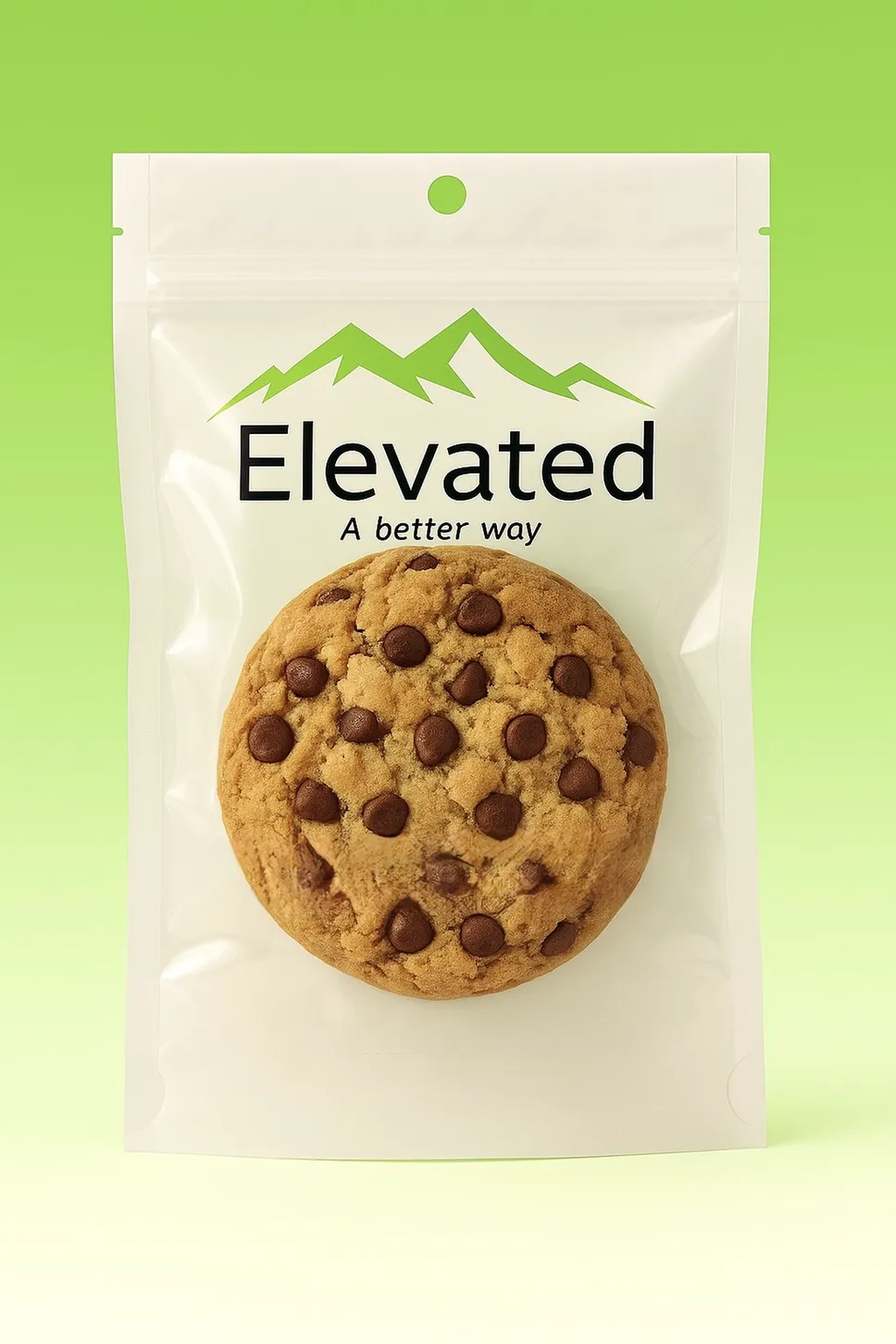
Easy to portion, smooth on the way in, and well suited for people dialing in dose and timing. These are fast acting, so you can expect to feel a shift in mood in about 15-30 minutes.
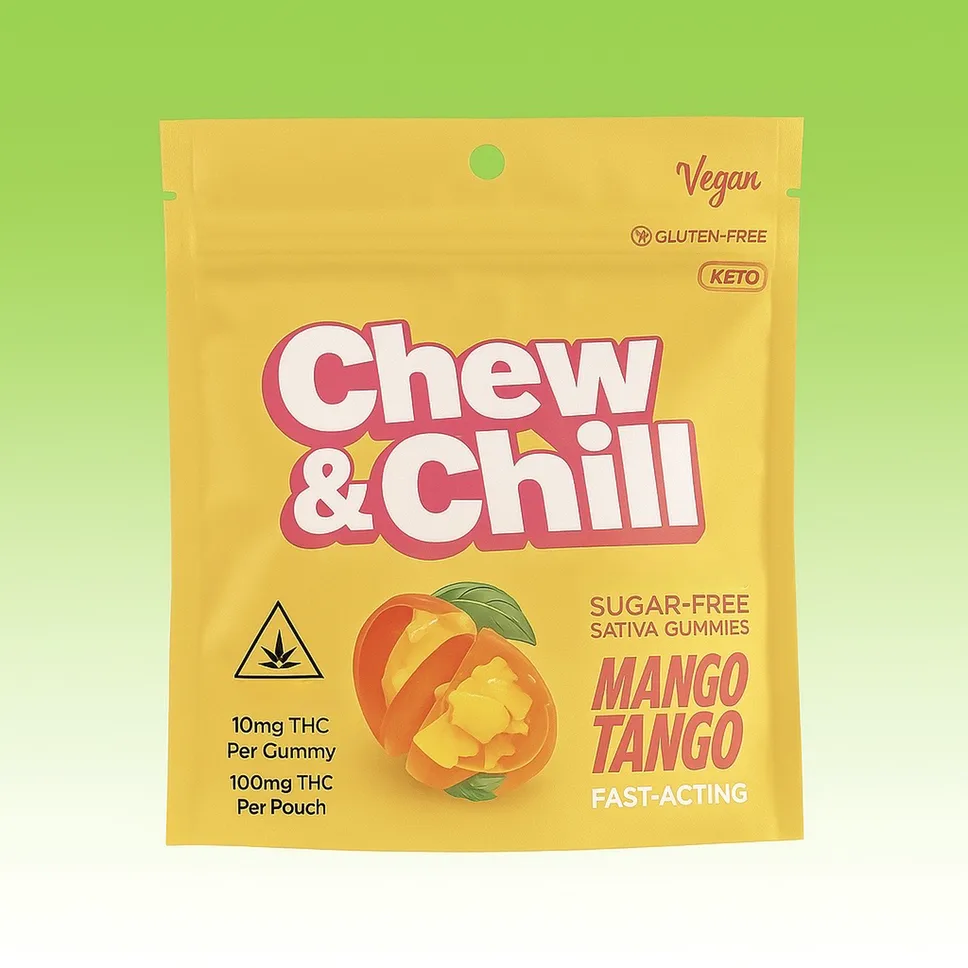
- Salute Tropical Punch Cannabis Drink
Lighter body feel with a quicker start, often chosen for social settings where you would like to get in the mood right away. You can expect to feel it in about 5-15 minutes.

Trust the Clock, Never Rush
Edibles reward patience. They ask you to slow down, listen to your body, and let the experience unfold instead of forcing it. And let’s be honest, that might be a good thing.
Knowledge about the effects is key. When you are fully aware how fast that gummy is expected to hit, you can properly prepare and take the THC surge in stride. The vast majority of mistakes happen out of ignorance, and Elevated is on a mission to prevent that.
If you’re curious, unsure, or just want it explained like a human conversation, stop by any of our Montana locations and talk with a budtender who knows what he is doing.
Disclaimer
The information provided in this blog is for educational purposes only and is not intended as medical advice, diagnosis, or treatment. Cannabis affects everyone differently, and individual results may vary. Always consult a licensed healthcare provider before using cannabis products, especially if you have a medical condition, are pregnant or nursing, or are taking prescription medications.
All cannabis products sold by Elevated are tested by state-licensed Montana laboratories for quality and compliance. Must be 21+ to purchase recreational cannabis, or a registered cardholder for medical products. Consume responsibly and in accordance with Montana state laws.
Recent Posts