THC for Beginners: Untangling Truths and Myths

Matt Martin • January 8, 2026

Share this article


THC (tetrahydrocannabinol) is cannabis's main psychoactive compound that creates the "high" by binding to brain receptors. Despite myths, THC has legitimate medical uses and predictable effects when used responsibly with proper dosing.


Remember that scene in
"Pineapple Express" where Seth Rogen's character gets so high he thinks he's having a heart attack? While Hollywood loves to exaggerate cannabis effects for laughs, the reality of THC is far more nuanced and manageable than movies suggest. 


Whether you're curious about cannabis for medical relief or recreational enjoyment, understanding what THC actually does and doesn't do to your body helps you make informed decisions about this increasingly accessible compound.


So let's move beyond Hollywood storytelling and into the realm of science. Here are some facts for you to ruminate upon while you are considering whether to jump into this exciting world:


  • THC's unique chemical structure allows it to cross the blood-brain barrier
  • Cannabis plants produce THC in trichomes as natural pest protection
  • THC interacts with your endocannabinoid system affecting mood and perception
  • Individual effects vary based on tolerance, body chemistry, and consumption method
  • Overconsumption causes temporary discomfort but isn't physically dangerous


Here in Montana, we've seen firsthand how the right strain can make all the difference for beginners. Whether you're looking for pain management, stress relief, or just want to unwind after dealing with another unpredictable mountain weather day, starting with the right product matters. 


That's why Elevated always recommends talking to experienced budtenders who know a thing or two about the best flower in the state and can point you toward gentler options that won't leave you feeling overwhelmed.


THC myths create unnecessary fear for curious beginners. Keep reading to separate cannabis facts from fiction and discover safe consumption strategies.


The Chemistry of THC: What Makes It Psychoactive


Ever wonder why THC gets you high and provides a wide array of unique effects? It all comes down to molecular shape, and you can think of THC as having the perfect key to unlock your brain's feel-good receptors, while other cannabis compounds are like trying to start your truck with a house key.


How THC's Structure Differs from Other Cannabinoids


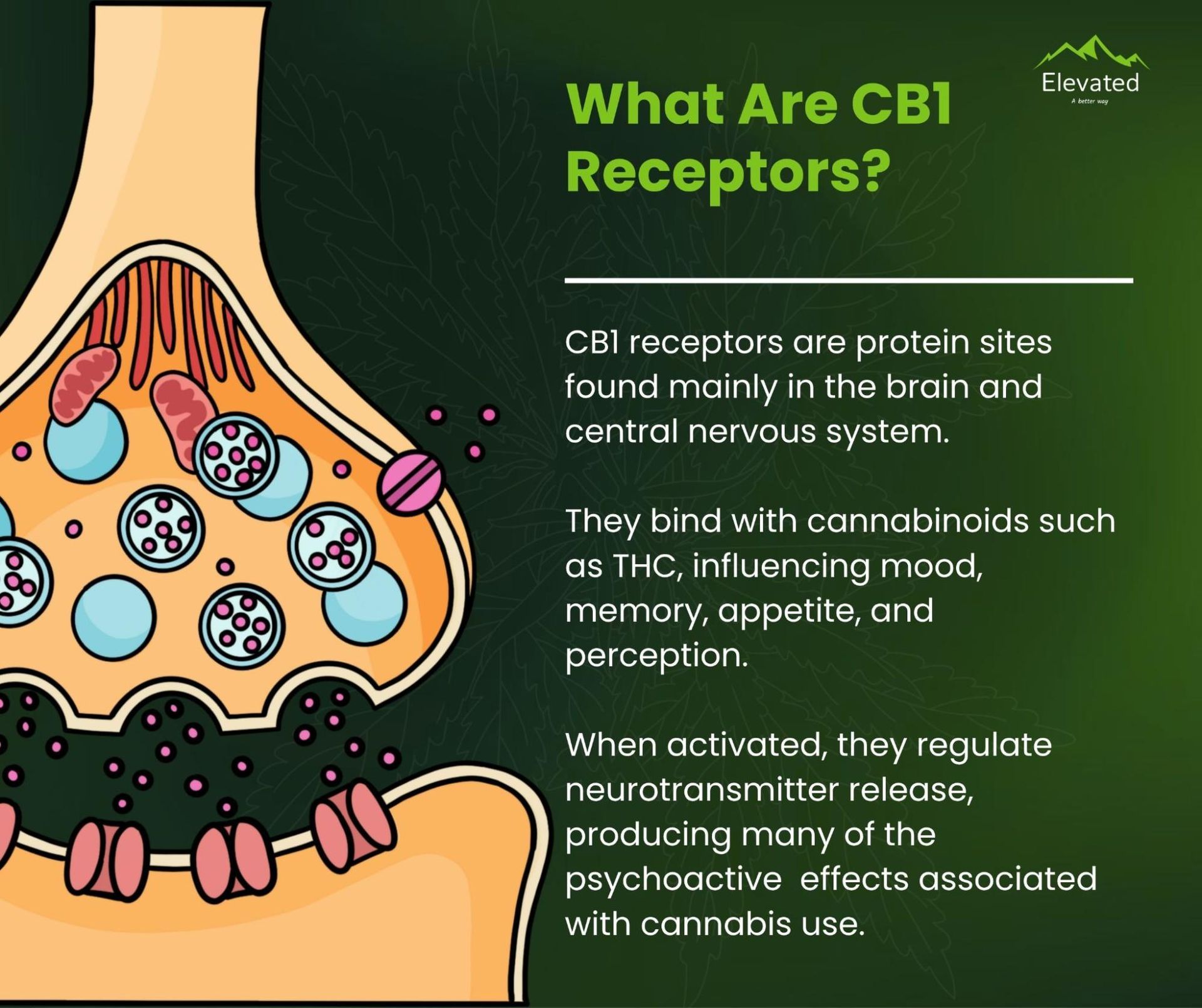
THC's molecular shape is what sets it apart from CBD, CBG, and other cannabinoids. While these compounds share similar base structures, THC has a cyclic ring formation that allows it to fit perfectly into your brain's CB1 receptors like a key in a lock.


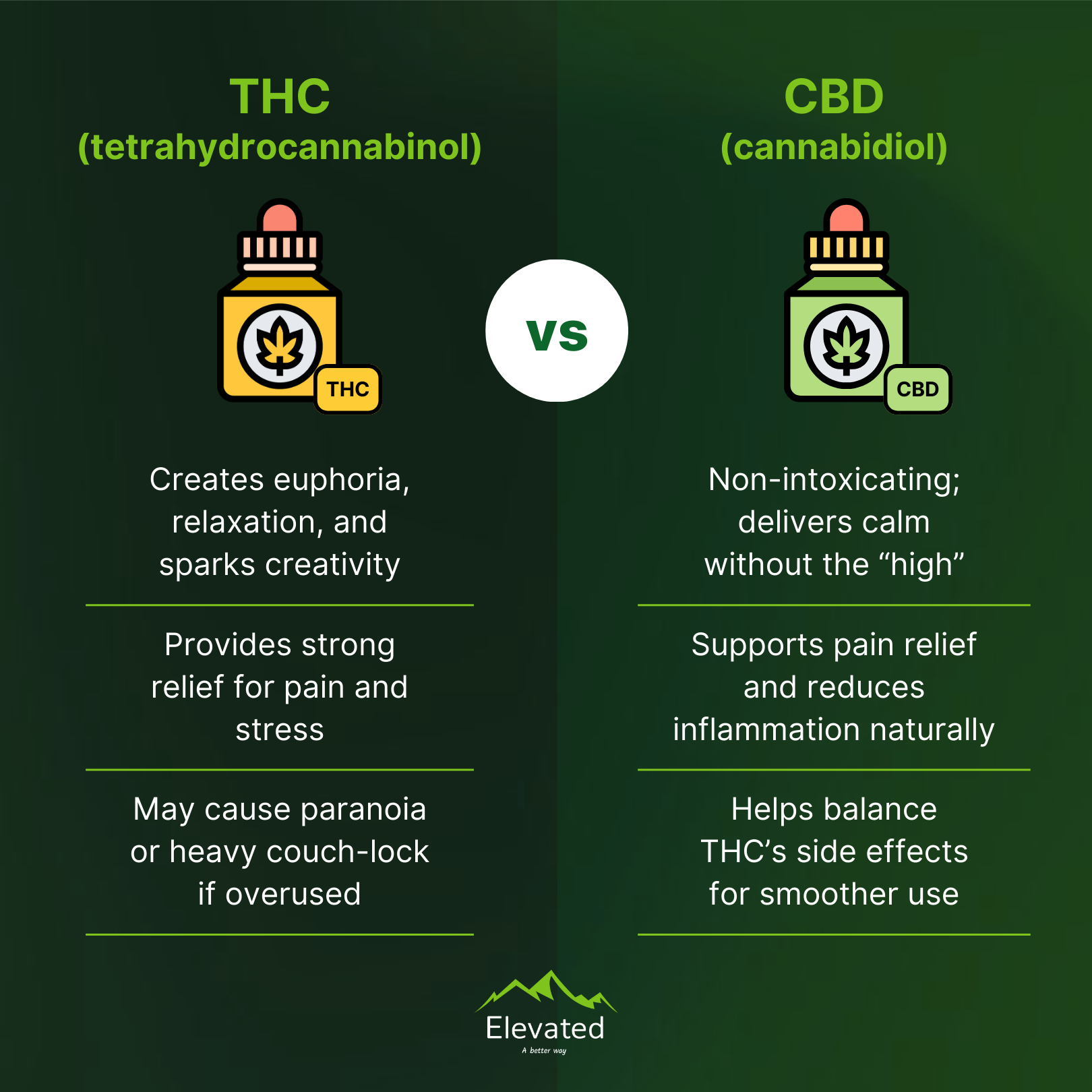
CBD, by contrast, has a different molecular arrangement that prevents it from binding directly to these same receptors. This is why CBD doesn't produce psychoactive effects, even though it comes from the same plant.


The key differences include:


  • THC has a closed ring structure that creates a perfect fit with CB1 receptors
  • CBD has an open ring structure that blocks direct CB1 binding
  • THC's shape allows it to activate receptors, while CBD often blocks or modulates them
  • Minor cannabinoids like CBG and CBN have variations that create different receptor interactions


Why THC Crosses the Blood-Brain Barrier So Effectively


THC's psychoactive power comes from its ability to easily cross the blood-brain barrier, a protective membrane that blocks most substances from entering your brain. THC's fat-soluble properties and specific molecular size allow it to slip through this barrier within minutes of consumption.


Once THC reaches your brain, it binds to CB1 receptors concentrated in areas controlling memory, coordination, pleasure, and time perception. This explains why THC affects these specific functions so predictably.


Where THC Comes From: Cannabis Plant Biology


Understanding THC starts with knowing where this compound actually comes from in the cannabis plant. THC doesn't exist throughout the entire plant but concentrates in specific structures that serve important biological purposes.


The Role of Trichomes in THC Production


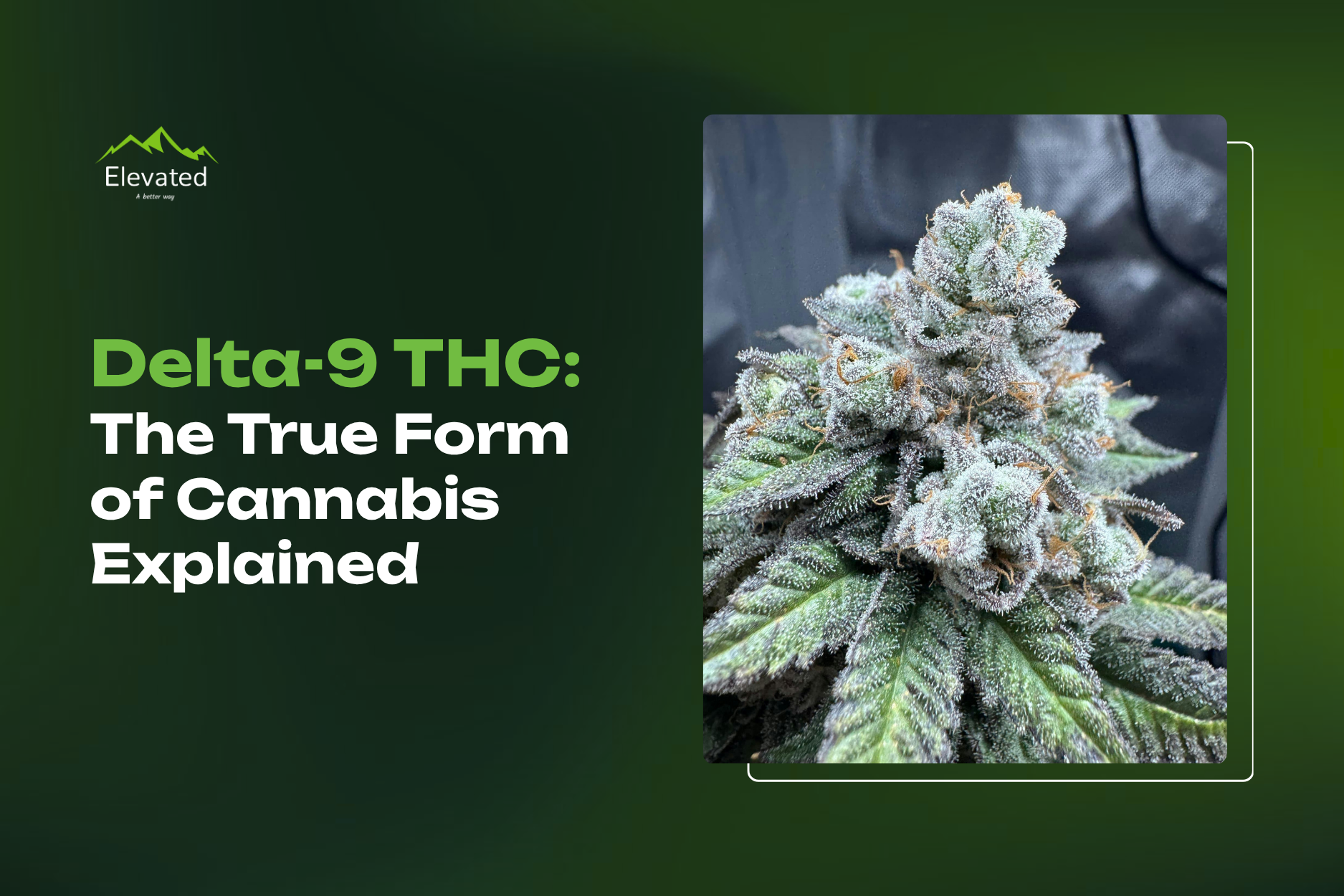
Cannabis plants produce THC in tiny, crystal-like structures called trichomes. These microscopic glands appear as a frosty coating on mature cannabis flowers and some leaves. Under magnification, trichomes look like tiny mushrooms with bulbous heads containing concentrated cannabinoids and terpenes.


Three main types of trichomes exist on cannabis plants:


  • Bulbous trichomes - The smallest type, barely visible to the naked eye
  • Capitate sessile trichomes - Medium-sized with short stalks
  • Capitate stalked trichomes - The largest and most abundant, containing the highest THC concentrations


The resin produced in these trichomes serves as the plant's natural defense system against insects, UV radiation, and environmental stressors.


Why Cannabis Plants Naturally Produce THC


Cannabis evolved to produce THC as a survival mechanism. The sticky resin deters herbivores from eating the plant while protecting delicate reproductive parts from harsh environmental conditions. Female cannabis plants increase THC production significantly during flowering as they attempt to attract pollen and protect developing seeds.


This natural defense system explains why outdoor-grown cannabis often develops higher trichome density when exposed to environmental stresses like temperature fluctuations and intense sunlight.


How THC Gets Extracted and Consumed


Modern extraction methods concentrate THC from plant material into various consumable forms. Common extraction techniques include:


  • Solvent-based extraction using CO2 or ethanol to create concentrates
  • Mechanical separation through dry sifting or ice water extraction
  • Heat and pressure methods for solventless rosin production


When you smoke a joint or use a pipe, you don't need to worry about complex extraction processes to access THC. The heat from combustion naturally converts THCA (the non-psychoactive precursor found in raw cannabis) into active THC through a process called decarboxylation. This happens automatically at temperatures around 220°F, which occurs naturally when you light cannabis flower. 


The THC then becomes immediately bioavailable through your lungs, entering your bloodstream within seconds and reaching your brain within minutes.


How THC Is Classified as a Psychoactive Substance


The federal government currently lists THC as a Schedule I controlled substance, placing it alongside heroin and LSD despite mounting scientific evidence of its medical benefits. Many people believe this is way too harsh, and there are currently efforts to overturn it. Let's get down to the nuts and bolts level so you can decide for yourself.


Why THC Earned Its Schedule I Classification


The Controlled Substances Act of 1970 classified THC as Schedule I based on three criteria: high potential for abuse, no accepted medical use, and lack of safety under medical supervision. This classification occurred during a politically charged era with limited scientific research.


In recent years, that stance has begun to shift. THC has since been reclassified to Schedule III, signaling federal recognition of its medical use and lower risk profile compared to Schedule I substances. What this change ultimately means for cannabis policy, research, and access is still unfolding, but it marks a meaningful turning point in how THC is viewed at the national level.


THC Sits Between CNS Depressant and Mild Hallucinogen


THC doesn't fit neatly into traditional drug categories. It acts as both a central nervous system depressant and a mild hallucinogen, depending on dosage and individual response.


Depressant effects include:


  • Muscle relaxation and pain relief
  • Reduced anxiety and stress
  • Slower reaction times
  • Drowsiness at higher doses


Mild hallucinogenic effects include:


This dual nature becomes apparent with different dosing levels. New users typically experience the relaxing, depressant effects first, while higher doses may produce more noticeable perceptual changes or mild hallucinogenic experiences.


Is the "Soft Drug" Label Accurate?


The "soft drug" classification, used in countries like the Netherlands, more accurately reflects THC's risk profile compared to "hard drugs" like cocaine or methamphetamine. 


Key factors supporting the soft drug classification:


  • No recorded fatal overdoses from THC alone
  • Withdrawal symptoms are mild compared to alcohol or opioids
  • Most users don't develop problematic use patterns
  • Therapeutic benefits outweigh risks for many medical conditions


However, THC isn't risk-free. It can impair driving, affect memory during use, and may trigger anxiety in sensitive individuals. Starting with low doses from licensed dispensaries ensures safer experiences for newcomers.


THC's Effects on Your Brain and Body


Understanding how THC affects your system is crucial for anyone considering cannabis, especially those new to THC. When you consume THC, it doesn't just randomly impact your body. Instead, it works through a sophisticated network called the endocannabinoid system.


How THC Interacts with Your Endocannabinoid System


Your body naturally produces compounds called endocannabinoids that regulate mood, pain, appetite, and sleep. THC mimics these natural compounds by binding to CB1 receptors in your brain and CB2 receptors throughout your body. This interaction triggers the various effects you experience.


The endocannabinoid system acts like a master regulator, maintaining balance in your body's functions. When THC activates these receptors, it can enhance or alter normal processes, which explains why effects can be both mental and physical.

What Does a Body High Feel Like?


A body high typically creates physical sensations of relaxation and comfort. You might experience:


  • Deep muscle relaxation and tension relief
  • A warm, tingling sensation throughout your limbs
  • Reduced awareness of physical discomfort or pain
  • Feeling "heavy" or "melted" into your chair or couch
  • Enhanced physical sensations like touch or temperature


Many people describe it as feeling like stress is physically leaving their body. This type of effect is often associated with indica-dominant strains, which we grow extensively at our Montana facilities.


Understanding the Head Rush Sensation


The cerebral or "head high" affects your mental state and perception. Common experiences include:


  • Altered perception of time and space
  • Enhanced creativity and introspective thinking
  • Heightened sensory experiences (colors, sounds, tastes)
  • Euphoria or elevated mood
  • Racing thoughts or deep contemplation
  • Increased focus on specific tasks or ideas


This mental stimulation typically comes from sativa-dominant strains, though individual responses vary significantly.


Why THC Effects Vary Between Individuals


Several factors determine how THC affects you personally:


  • Body Chemistry: Your unique endocannabinoid system, metabolism, and body weight influence how you process THC.
  • Tolerance Level: Regular users develop tolerance, requiring higher doses for the same effects that beginners experience with small amounts.
  • Consumption Method: Smoking provides immediate effects lasting 1-3 hours, while edibles take 30-90 minutes to kick in but last 4-8 hours.
  • Strain Composition: The combination of cannabinoids and terpenes in different strains creates distinct effect profiles.


We've seen this variation firsthand across our 18 Montana locations. What works perfectly for one person might be too strong or too mild for another, which is why our budtenders focus on personalized consultations rather than one-size-fits-all recommendations.


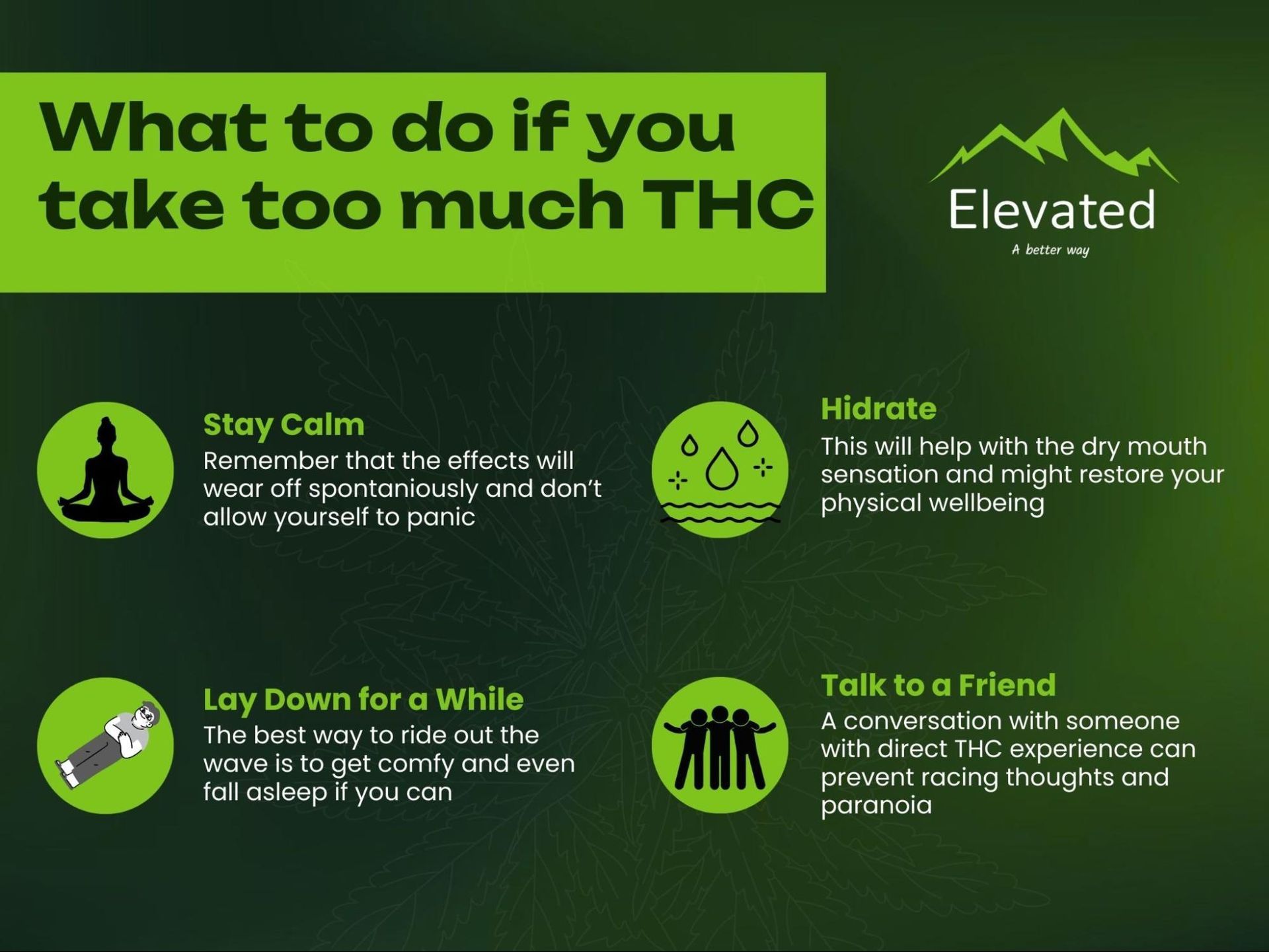
What Happens If You Take Too Much?


Overconsumption, especially common with edibles, can cause uncomfortable but not dangerous effects. You might experience:


  • Intense anxiety or panic
  • Nausea and vomiting
  • Extreme drowsiness
  • Disorientation lasting several hours


We stock tested, compliant products across all our 18 Montana locations, ensuring you know exactly what you're consuming every time.


Start Your THC Journey Safely with Elevated


Starting with THC can feel overwhelming when you're unsure about dosages, effects, or which products are right for beginners. Without proper guidance, new users often experience uncomfortable side effects like anxiety or confusion, which can create negative associations with cannabis that last for years.


Elevated has a long history of helping individuals develop a healthy relationship with THC without ever abusing it. We take pride in providing good advice along with some incredible buds.


All of our expertise is at your disposal. Just come by one of our Montana locations and let the budtender know that you are a beginner. We’ll take it from there.


Disclaimer


The information provided in this blog is for educational purposes only and is not intended as medical advice, diagnosis, or treatment. Cannabis affects everyone differently, and individual results may vary. Always consult a licensed healthcare provider before using cannabis products, especially if you have a medical condition, are pregnant or nursing, or are taking prescription medications.

All cannabis products sold by Elevated are tested by state-licensed Montana laboratories for quality and compliance. Must be 21+ to purchase recreational cannabis, or a registered cardholder for medical products. Consume responsibly and in accordance with Montana state laws.


Recent Posts

By Matt Martin January 8, 2026
If you are not sure how to know what type of weed to buy, read this authentic guide about cannabis types coming from Montana’s top experts.
By Matt Martin January 8, 2026
Discover what's actually inside a dispensary with our detailed guide. Learn about layout, products, staff, and the customer experience at Montana.
By Matt Martin January 8, 2026
Learn how CBD is commonly used for dog pain support, including product types, THC safety, and practical considerations for different kinds of discomfort.
By Matt Martin January 8, 2026
A practical guide to how CBD works in the body, how people use it for pain support, and what to know when choosing CBD products in Montana.
By Matt Martin January 7, 2026
Learn how CBD and THC work better together. Avoid common mistakes with Elevated Montana’s trusted guide to balance, relief, and real-world results.
By Matt Martin January 7, 2026
Explore cannabis and PTSD treatment. Learn how THC and CBD may support sleep, anxiety, and nightmares, plus legal access and research-backed insights.
By Matt Martin January 7, 2026
This article explains how to identify the best dispensary for first time patients in the state of Montana, and makes the case for Elevated as the top choice.
By Matt Martin January 7, 2026
It takes some practice before you know how to tell if you have good weed. This guide can help you recognize the signs and direct you to a safe source.
By Matt Martin January 7, 2026
A beginner’s guide on how to buy edibles for the first time in a legal dispensary in Montana with detailed overview of the requirements and available options.
By Matt Martin January 6, 2026
Learn how long CBD stays in your system for a urine test. Discover safe, lab-tested CBD options and guidance from Elevated Montana’s experts.
Show More