CBD for Pain: Practical Guide
CBD may help relieve chronic, inflammatory, and neuropathic pain by interacting with the body’s endocannabinoid system to influence inflammation and pain signaling. It is non-psychoactive and does not produce intoxicating effects.
Key points to know
- Pain is influenced by inflammation, nerve signaling, and stress response
- CBD interacts indirectly with the endocannabinoid system
- CBD does not cause intoxication or impairment
- Effects and responses vary by person, dose, and delivery method
- Product quality and lab testing matter for safety and consistency
For many Montanans, the challenge is not curiosity about CBD, but understanding how to use it responsibly and what to look for in a trustworthy product. Elevated Montana focuses on locally produced, lab-tested CBD and clear guidance to help people make informed choices without hype or pressure.
If you want to understand how CBD interacts with pain, what current research supports, and how different formats fit different needs, keep reading. This guide breaks down the science, the limits, and the practical considerations for using CBD as part of a thoughtful pain-management approach.
The Rebirth of Herbal Medicine In the Legal Era
Once dismissed as fringe, plant-based medicine is back in the spotlight, and CBD leads the charge. Across Montana, people are turning to cannabis for balance, relief, and better rest.
The focus has shifted from recreation to restoration, and CBD is the compound that makes that shift possible. It interacts gently with the body’s endocannabinoid system, a network that helps regulate pain, mood, and inflammation.
Because CBD supports this system rather than overpowering it, relief feels natural and steady.
Here is why CBD’s medical potential stands out:
- Works naturally with the body’s endocannabinoid system (ECS).
- Non-psychoactive, delivering relief without intoxication.
- Broad therapeutic range for inflammation, neuropathy, joint pain, and muscle recovery.
- Low side-effect risk when responsibly produced and dosed.
- Backed by growing clinical research and patient experience.
Across the country, CBD is gaining recognition for its versatility, but in Montana, the movement feels personal. Many residents live active, outdoor lives where sore muscles, chronic pain, or past injuries are part of the landscape.
CBD offers an option that fits a lifestyle built around resilience and self-reliance.
Elevated Montana creates locally grown, lab-tested CBD that reflects those values, providing consistent, trustworthy relief made by Montanans for Montanans.
This guide explores how CBD eases pain, what the science currently supports, which delivery methods work best, and how to choose products that truly meet Montana’s standards for quality and care.
The Healing Logic Behind CBD
Every effective pain management method shares one thing in common: it supports the body’s ability to restore balance. CBD works with this same logic.
Rather than masking discomfort, it interacts with your body’s own communication system to promote steadier function across mood, pain response, and immune health. That system, the endocannabinoid system or ECS, is the foundation for how CBD brings relief.
How CBD Talks to Your Body
The ECS acts like a control center that keeps many biological processes in rhythm, including stress response, inflammation, and sensory perception. Its network of receptors, CB1 and CB2, helps regulate how signals move between the brain and body.
Research shows that CBD doesn’t attach to these receptors the way THC does. Instead, it influences them indirectly, adjusting how they respond to the body’s natural cannabinoids. This modulation helps calm overactive pathways that contribute to pain, inflammation, and tension.
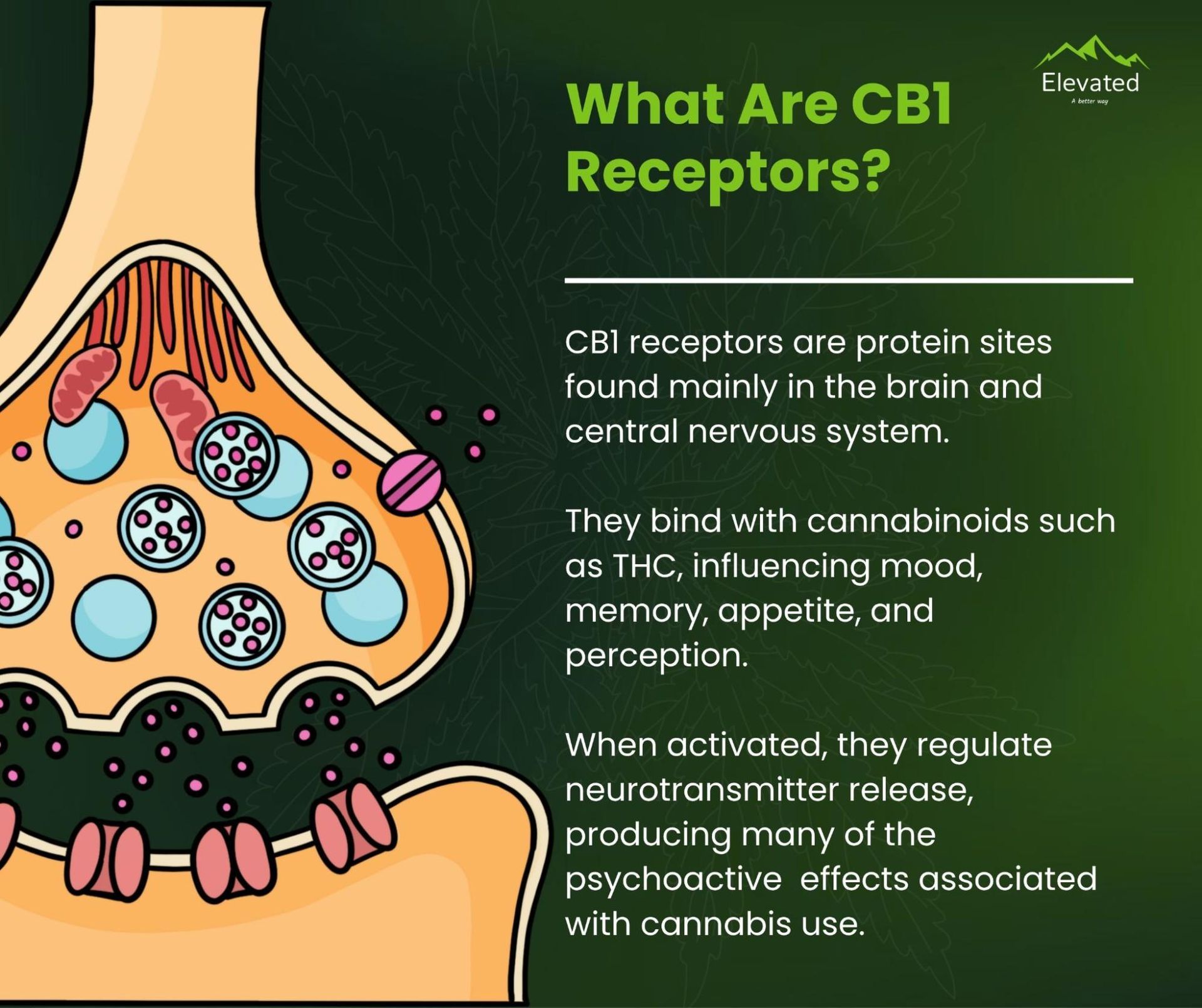
CBD’s ability to lower inflammatory activity is one of its most studied benefits. It helps settle nerve overactivity that can make chronic pain feel sharper or more persistent. As those signals quiet down, people often notice improvements not only in physical comfort but in overall emotional steadiness, especially in conditions where pain and mood are closely linked.
Why CBD Isn’t Psychoactive
THC and CBD come from the same plant, yet they behave differently in the brain. THC binds strongly to CB1 receptors, producing euphoria and intoxication. CBD’s indirect action means it never triggers those same effects.
The result is relief without impairment. Users commonly describe CBD as creating a calm focus or light relaxation that fits naturally into daytime routines, workouts, or workdays, making it a versatile tool for steady, clear-headed wellness.
What the Science Says About CBD and Pain Relief
Across the growing field of cannabinoid research, CBD has drawn consistent interest for its potential to ease discomfort without sedation or intoxication.
Studies exploring both inflammation and nerve-related pain point toward the same pattern: CBD helps the body regulate its pain response rather than override it. This natural modulation of the endocannabinoid system may explain why people using CBD report decreased pain intensity, especially in cases involving chronic inflammation or hypersensitive nerve activity.
The compound appears to lower the production of inflammatory messengers while promoting a calmer balance between pain signals and immune reactions.
For arthritis and other joint-related conditions, the science continues to evolve but already shows meaningful promise. Regular use of topical CBD applications has been linked to less swelling and greater ease of movement in affected joints.
Researchers believe this effect comes from CBD’s ability to interact with local cannabinoid and TRPV1 receptors in the skin, helping to reduce tissue inflammation directly where discomfort originates. For many people, that translates to more flexible mornings and fewer interruptions from pain throughout the day.
CBD’s influence reaches beyond the joints. Clinical observations suggest it can lessen neuropathic and spastic pain tied to multiple sclerosis and fibromyalgia, conditions known for widespread tension and nerve overactivity. Users often describe feeling more relaxed and physically at ease, even when pain does not disappear entirely.
While these outcomes are encouraging, most experts still classify the research as promising but incomplete. Larger trials are needed to establish long-term safety, precise dosing, and consistency across different delivery methods.
Until then, CBD remains a low-risk option that aligns with modern approaches to pain management, combining scientific credibility with a plant-based path to relief.
The Kinds of Pain CBD May Help With
CBD’s effects on inflammation, nerve signaling, and muscular tension make it relevant to several forms of pain. Its versatility comes from the way it interacts with receptors and immune cells throughout the body, moderating how pain messages are sent and received.
By calming those signals and reducing inflammatory stress, CBD can complement both medical and self-care strategies for long-term relief.
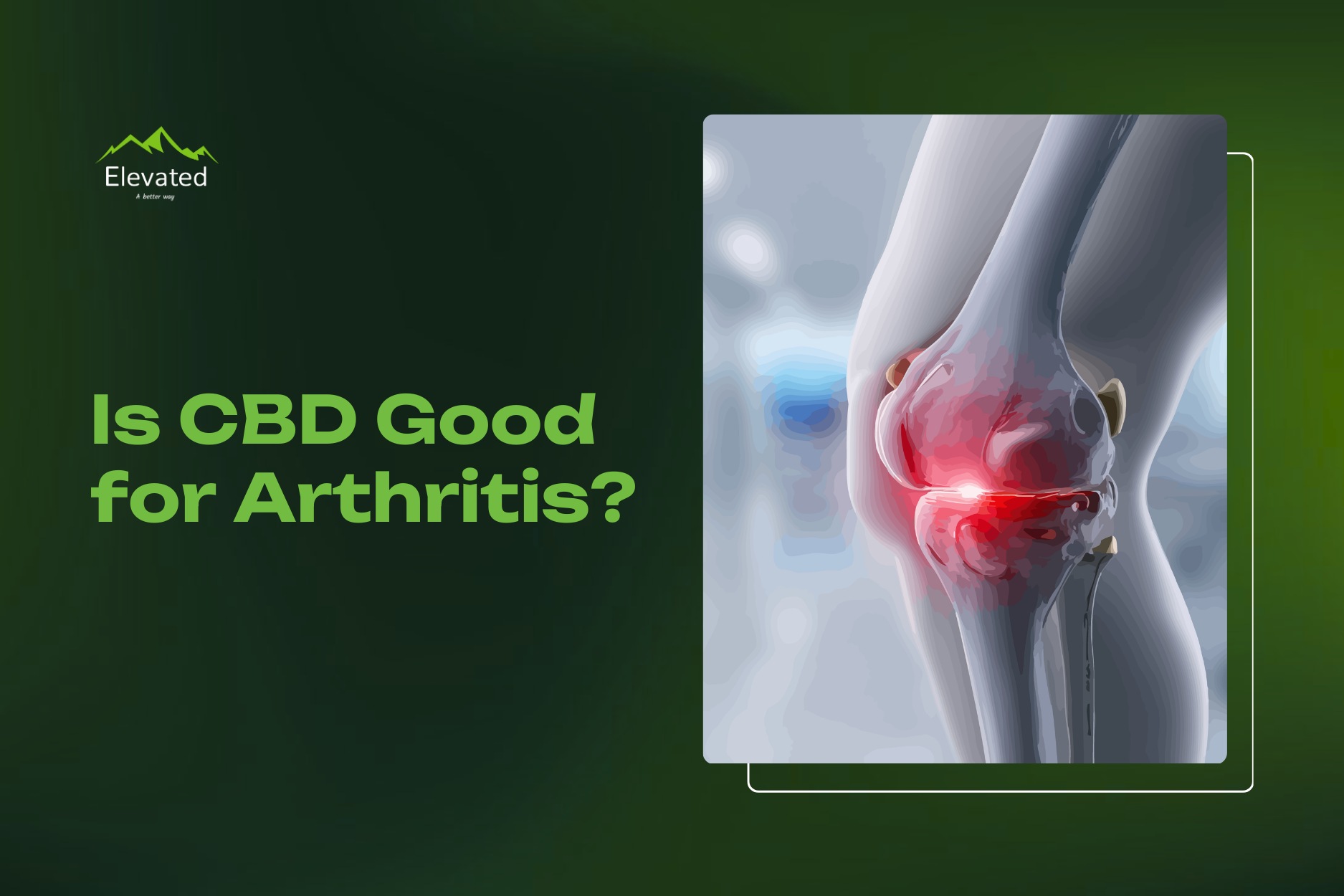
Arthritis and Joint Pain
Arthritis involves both inflammation and mechanical wear, and CBD may address each component. Topical creams and balms can ease swelling in affected joints by engaging local cannabinoid and TRPV1 receptors beneath the skin.
Regular use may support better flexibility and comfort during movement, especially when paired with gentle stretching or low-impact exercise.
Neuropathic Pain
Nerve pain often persists even after tissue has healed because of disrupted communication between neurons. CBD appears to reduce this hyperactivity by stabilizing how pain receptors fire and by influencing serotonin pathways that shape perception of discomfort.
For many, tinctures and capsules work best, providing steady systemic support for conditions such as sciatica or post-injury nerve irritation.
Muscle Pain and Recovery
Micro-inflammation from exertion can lead to tightness and soreness that limit recovery. CBD may accelerate the return to normal function by dampening inflammatory cytokines and encouraging blood flow to affected tissue.
Taken orally or applied as a topical gel after workouts, it helps muscles relax without affecting alertness or coordination.
Menstrual or Pelvic Pain
Localized CBD products, including suppositories and infused tampons, deliver cannabinoids directly to pelvic tissues where cramps begin. Many users report steadier relief and fewer secondary symptoms like back tension or irritability when combining local products with a small oral dose.
Chronic Pain and Fibromyalgia
Consistent CBD use may gradually reduce overall pain sensitivity and flare frequency in conditions involving widespread nerve activation.
Maintaining a daily routine with tinctures or softgels supports steady levels in the bloodstream, giving the endocannabinoid system time to recalibrate its pain thresholds.
Can CBD Replace Traditional Painkillers?
Conventional painkillers remain a cornerstone of treatment, but their long-term use often comes with trade-offs. Nonsteroidal anti-inflammatories can irritate the digestive tract, opioids risk dependence, and acetaminophen strains the liver when taken in high doses.
CBD offers a different path. Instead of blocking pain at a single point in the body, it helps regulate the system that controls pain perception altogether.
This holistic action allows CBD to work alongside or in place of standard medications for certain types of chronic pain while lowering the risk of serious side effects.
Painkiller Type
Mechanism
Risks / Side Effects
CBD Comparison
NSAIDs (Ibuprofen)
Blocks inflammation enzymes
GI irritation, ulcers
CBD also anti-inflammatory, gentler on stomach
Opioids
Blocks pain receptors
Addiction, drowsiness
CBD non-addictive, may complement opioids safely
Acetaminophen
Alters brain pain signals
Liver strain in high doses
CBD shows mild liver interaction, dosage should be monitored
CBD (alone)
Balances ECS, reduces inflammation
Mild fatigue, appetite change
Non-psychoactive, well-tolerated, holistic relief
CBD is not a replacement for prescription therapy in severe cases, but its gentle mechanism offers practical value for ongoing pain management.
Many Montanans now use it to ease daily discomfort and cut back on heavier pharmaceuticals, especially when their CBD is sourced from verified, local producers who emphasize consistency and safety.
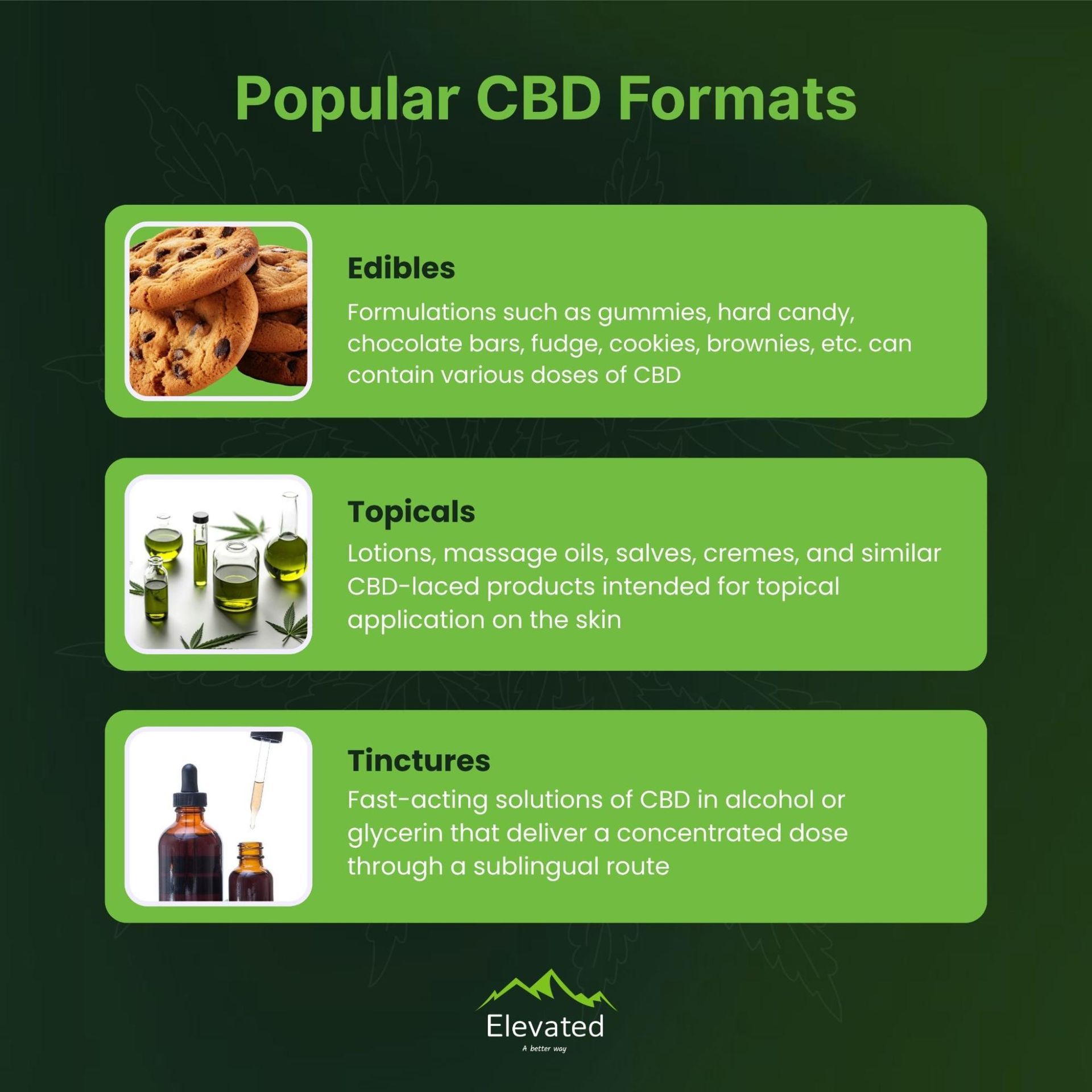
The Best CBD Formats for Pain Relief
Delivery format plays a delicate role because it controls where CBD acts, how quickly relief begins, and how long effects last. Pain is rarely one dimensional, so the smartest plan matches the format to the problem.
The options below explain when each format shines and how to build a reliable routine.
Topicals: Local Relief Without Delay
CBD topicals work on receptors in the skin, fascia, and superficial muscle. They concentrate action at the source without entering the bloodstream, which keeps the effect precise and free of cognitive changes.
This is the go-to for joints, overworked muscle groups, and old injuries that act up with weather or workload. Apply after a shower or warm compress to improve penetration, then reapply as needed through the day.
Best uses:
- Arthritis in hands, knees, hips, or shoulders
- Back and neck tension from work posture
- Soreness after hiking, lifting, or yardwork
- Targeted relief around well-defined trigger points
Elevated Picks:
- CBD Lotion – Unscented → Fast absorbing and lab verified for purity. Designed for frequent use on sensitive skin.
- CBD Deep Tissue Salve → Concentrated formula that holds on the skin for extended relief during demanding days.
Tinctures: Daily Support for Full-Body Relief
Sublingual tinctures absorb through oral tissues and reach circulation quickly. They provide steady, whole-body coverage and make it easy to dial in dosage with small adjustments.
This format suits persistent inflammation, widespread discomfort, and baseline pain that ebbs and flows. Take consistently at the same times each day, then titrate in small steps until relief feels stable.
Best uses:
- Chronic or multisite pain
- Inflammation that affects recovery and mobility
- Morning and evening maintenance
- Pairing with topicals for layered control
Elevated Pick:
- CBD Tincture – Blueberry
→ Smooth flavor and reliable potency support long-term routines without palate fatigue.
Edibles: Gentle and Beginner-Friendly
Edibles pass through digestion before entering circulation, which creates a slower rise and a longer plateau. That curve helps many people manage background pain, sleep disruption, and tension linked to stress.
Because the onset is delayed, plan dosing 60 to 90 minutes before the window when relief is needed, then maintain with a consistent schedule.
Best uses:
- Persistent mild to moderate pain across the day
- Nighttime relief that lasts through sleep cycles
- Workdays that benefit from steady, low-profile support
- Complementing tinctures to extend coverage
Elevated Pick:
- CBD Gummies → Discreet, flavorful, and precisely dosed for predictable effects that fit daily planning.
Clear Labeling and Lab Testing Are Non-Negotiable
The boom in CBD has flooded the market with products that don’t always match what’s on their labels. Independent analyses have uncovered oils with little or no CBD, mislabeled THC content, and even traces of solvents and pesticides.
People describe buying “bargain” tinctures that deliver headaches instead of relief. For anyone serious about pain management or wellness, this is the line you cannot cross. Quality verification is the difference between something that helps and something that harms.
What to look for:
- COA (Certificate of Analysis): Every legitimate CBD product should include a third-party lab report confirming potency and purity.
- Full-spectrum vs. isolate clarity: Know whether your CBD includes trace cannabinoids or stands alone as pure CBD. Transparency here affects both effect and legality.
- Accurate cannabinoid percentages: The label should clearly list how much CBD, THC, and minor cannabinoids each dose provides.
When you buy from Elevated, those safeguards are already built in. Each product is locally produced in Montana, tested through verified labs, and reviewed for compliance before it ever reaches the shelf.
That means no surprise THC, no inflated potency claims, and no synthetic additives hiding behind vague ingredient lists. Whether you’re choosing a tincture, salve, or gummy, our budtenders walk you through exactly what’s in it and how to use it safely.
CBD Could Be Your Key to Pain Free Life
Our understanding of plant-based compounds continues to evolve over time, and CBD is part of that ongoing conversation. Once viewed mainly in contrast to THC, CBD is now being explored for how it interacts with the body’s regulatory systems, particularly in the context of pain, inflammation, and daily discomfort.
Alongside emerging research, many people share personal experiences about how CBD fits into their routines, especially when other options feel limited or inconsistent. At Elevated Montana, those conversations happen every day. Listening to customers and helping them navigate choices responsibly is a core part of how we approach cannabis.
If you’re curious about whether CBD might be right for you, stop by your nearest Elevated Montana. Our budtenders are there to answer questions, explain options, and help you explore CBD products with clarity and care, no pressure, just guidance rooted in experience.
Disclaimer
The information provided in this blog is for educational purposes only and is not intended as medical advice, diagnosis, or treatment. Cannabis affects everyone differently, and individual results may vary. Always consult a licensed healthcare provider before using cannabis products, especially if you have a medical condition, are pregnant or nursing, or are taking prescription medications.
All cannabis products sold by Elevated are tested by state-licensed Montana laboratories for quality and compliance. Must be 21+ to purchase recreational cannabis, or a registered cardholder for medical products. Consume responsibly and in accordance with Montana state laws.
References:
Arthritis Foundation. (2024, July 29). CBD for arthritis pain: What you should know.
Bonn-Miller, M. O., Loflin, M. J. E., Thomas, B. F., Marcu, J. P., Hyke, T., & Vandrey, R. (2017). Labeling accuracy of cannabidiol extracts sold online. JAMA, 318(17), 1708–1709.
Cásedas, G., de Yarza-Sancho, M., & López, V. (2024). Cannabidiol (CBD): A systematic review of clinical and preclinical evidence in the treatment of pain. Pharmaceuticals, 17(11), 1438.
Heineman, J. T., Forster, G. L., Stephens, K. L., Cottler, P. S., Timko, M. P., & DeGeorge, B. R., Jr. (2022). A randomized controlled trial of topical cannabidiol for the treatment of thumb basal joint arthritis. Journal of Hand Surgery, 47(7), 611–620.*
Marcu, J., Matthews, A. S., & Lee, M. A. (2023, April 14). Is CBD really non-psychoactive? Project CBD.
Martínez Naya, N., Kelly, J., Corna, G., Golino, M., Abbate, A., & Toldo, S. (2023). Molecular and cellular mechanisms of action of cannabidiol. Molecules, 28(16), 5980.
Shmerling, R. H. (2023, May 5). Does CBD help with arthritis pain? Harvard Health Publishing.
Sic, A., George, C., Gonzalez, D. F., Tseriotis, V.-S., & Knezevic, N. N. (2025). Cannabinoids in chronic pain: Clinical outcomes, adverse effects and legal challenges. Neurology International, 17(9), 141.
Recent Posts