
How Long Do Edibles Stay in Your System? What to Know
For most people, THC from edibles can be detectable for about 3 to 12 days after use. If you use edibles regularly, that window can stretch into multiple weeks, sometimes longer.
Why this question keeps coming up
Cannabis edibles have gone from novelty to normal in a very short time. Gummies, chocolates, caramels, and infused drinks are now everyday options for people who do not want to smoke or vape. They are discreet, consistent, and easy to fit into real life.
They are also easy to misunderstand.
Most people do not plan to Google how long edibles stay in your system on a calm Tuesday afternoon. The question usually shows up when something else is happening. A new job. A random test. A moment of “wait, how long ago was that?”
The confusion usually comes from a few places:
- Edibles take longer to kick in than smoking
- The effects last longer than expected
- Feeling normal again does not line up with testing timelines
At Elevated, we hear these questions every day. We are a Montana-based, community-focused dispensary, and a big part of our role is helping people understand how cannabis actually fits into their lives. All we want is to provide clear information about edibles so people can make decisions with confidence and avoid bad decisions.
This article is meant to do the same thing, so stick with us to learn something without getting caught up in a mess of contradictory info.
What Cannabis Edibles Are and Why People Love Them
An edible is any cannabis product you consume by eating or drinking it. Gummies and chocolates get most of the attention, but the category includes baked goods, caramels, beverages, and more.
The active compounds that matter
Like with any other food, you would be wise to check what’s inside. With cannabis edibles, the most important thing is to ascertain the levels of the following compounds.
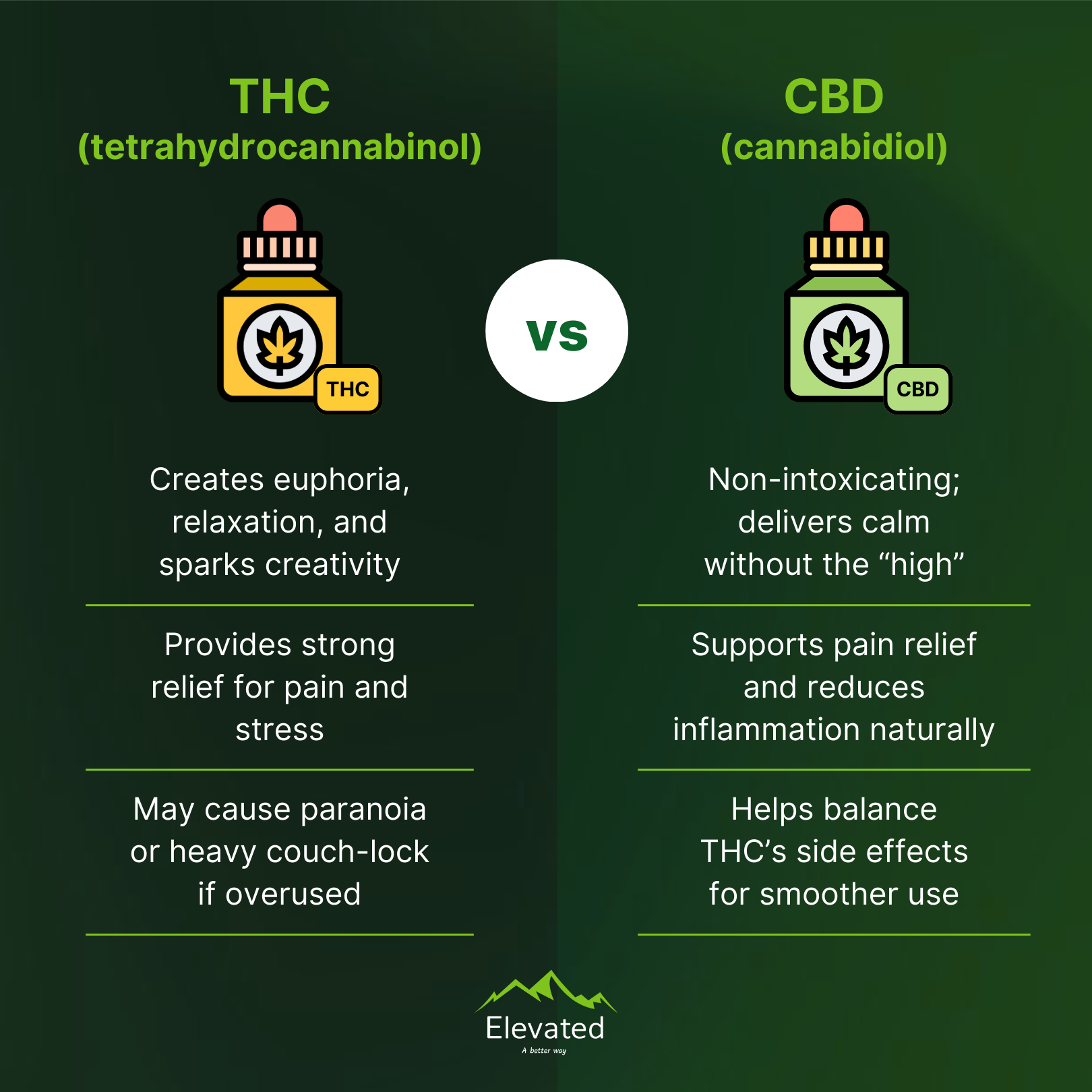
- THC: This is the primary psychoactive compound in cannabis. It is responsible for the high and is also the compound drug tests are designed to detect, or more accurately, what THC turns into after your body processes it.
- CBD: CBD does not cause a high. In some edibles, it is included to balance or soften THC’s effects, depending on the ratio and the person.
- Minor cannabinoids: These appear in smaller amounts and can influence how an edible feels, but they do not meaningfully change detection timelines.

Explaining the rising popularity of edibles
Edibles are popular because they fit into real life without asking much in return. You do not need to step outside. You do not need special gear. There is no smell clinging to your jacket or timing your evening around a quick break. You eat something familiar and go on with your night.
They also feel more approachable to people who never connected with smoking. A gummy or a piece of chocolate does not come with a learning curve or a cultural barrier. It feels normal, almost boring, in a good way.
For a lot of people, edibles offer consistency. The dose is clear. The experience is predictable. That sense of control is a big reason people keep choosing them.
Why Edibles Behave so Differently than Flower
When you smoke or vape cannabis, THC moves fast. It travels from your lungs into your bloodstream and reaches the brain within minutes. The experience shows up quickly, peaks relatively fast, and fades in a way that feels familiar to most people.
Edibles take a completely different route.
After you eat an edible, nothing dramatic happens right away. The THC has to pass through your digestive system first. From there, it reaches the liver, where something important happens. The liver converts THC into a different compound called 11-hydroxy-THC.
This is where edibles earn their reputation.
11-hydroxy-THC crosses into the brain more efficiently than the THC you inhale from smoking. That efficiency is why edibles often feel stronger, deeper, or more immersive, even when the milligram number looks modest on the label. It is not that edibles contain secret extra THC. Your body is simply handling it differently.
That slower path also stretches out the experience. Effects take longer to show up, last longer once they do, and fade more gradually. This is why edibles can feel steady and full-bodied instead of sharp or fleeting.
The same process explains why edibles stay detectable in the body longer. THC is processed, stored, and released over time rather than burned off quickly. Once you understand this digestive and metabolic difference, a lot of common edible questions start answering themselves.

How long the effects of edibles last
There is a big difference between how long edibles affect you and how long they stay detectable in your system. Mixing those two ideas is where most anxiety starts, so we are going to answer both questions in their natural order.
The typical edible experience
Most people experience edibles in a fairly consistent cycle.
- Onset: Usually 30 minutes to 2 hours. Sometimes longer. This delay is why people occasionally take more before the first dose has kicked in.
- Peak: This is where the experience feels strongest. It can last several hours and is shaped by dose, tolerance, food intake, and mindset.
- Fade-out: The noticeable high tapers off. Many people feel relaxed, heavy, or mentally quiet during this phase.
- Residual effects: Some people feel slightly off the next day. Not high, just slower or less sharp than usual.
That last part matters. Feeling different the next day does not mean THC is still actively affecting your brain the same way it was the night before.
What changes how long the effects last
A few variables play a bigger role than people expect.
- Dose: Five milligrams and twenty-five milligrams are not close.
- Food: Edibles taken with food often feel stronger and last longer.
- Tolerance: Regular users tend to experience shorter peaks.
- Timing: Taking more before the first dose has shown itself is the most common mistake we see.
None of this is a moral issue. It is just how bodies work. It’s crucial that you are honest with yourself and to stay within your limits. Cannabis edibles can be tricky, so make sure not to rush into situations you might regret.
What “staying in your system” really means
When people ask how long edibles stay in your system, they are almost always asking about drug tests.
Drug tests are not measuring how high you feel. They are looking for THC metabolites, mainly a compound called THC-COOH. This is what THC becomes after your body breaks it down.
THC is fat-soluble. That means your body stores it in fat tissue and releases it slowly over time. This is why someone can feel completely normal and still test positive days later.
How long edibles are detectable on drug tests
When it comes to drug tests, most explanations online either overcomplicate things or talk around the answer.
So let’s keep this practical.
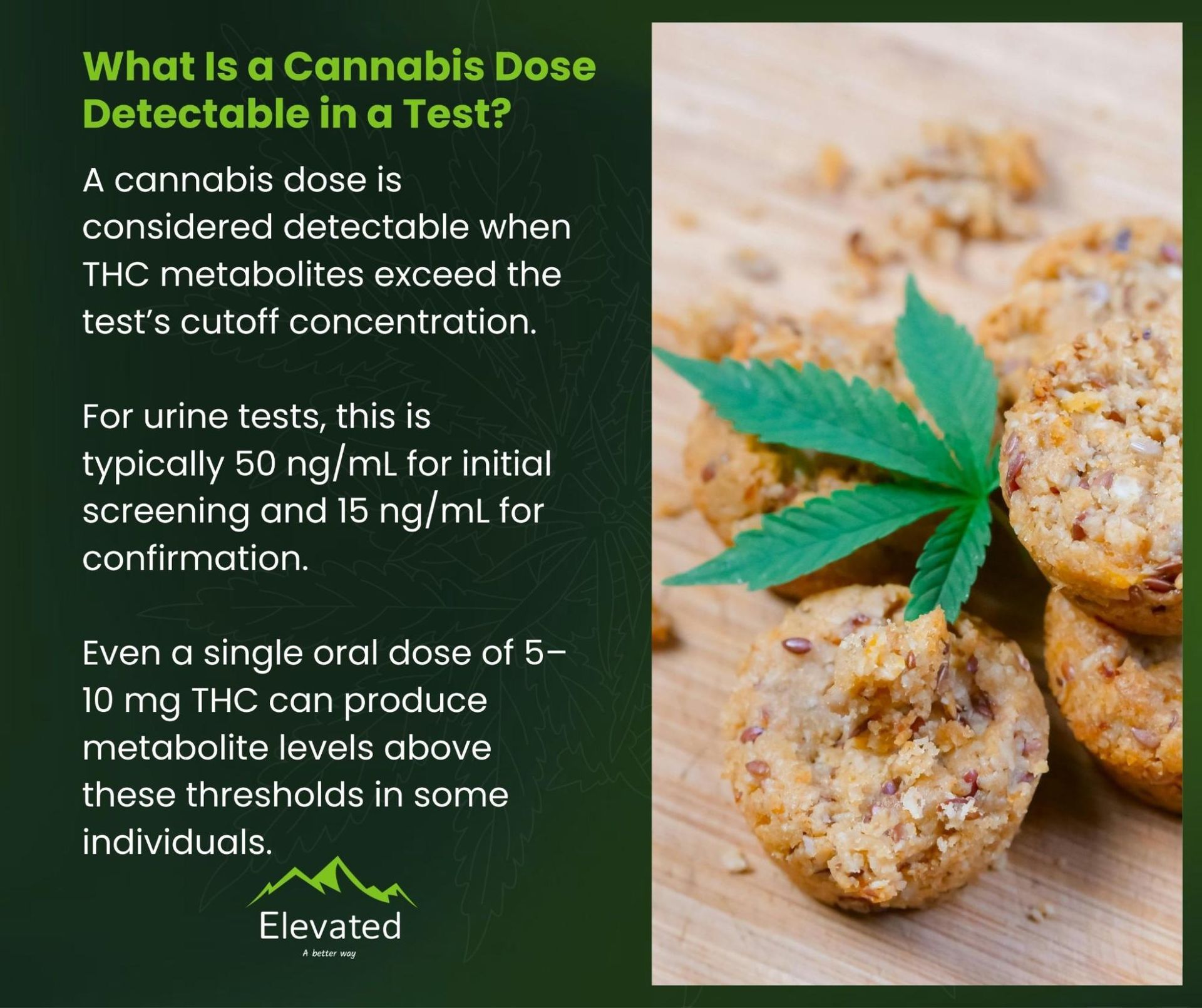
Drug tests are not trying to judge your experience or how you felt afterward. They are checking for specific THC byproducts and comparing them to set thresholds.
Once you know what those tests actually look for and how long those markers tend to hang around, the picture gets a lot clearer.
The general guideline
For most people, it is possible to fail a drug test several days after consuming an edible. For frequent users, that window can extend into weeks.
There is no single number that applies to everyone, but there are clear patterns.
Detection windows by test type
- Urine tests: This is the most common form of workplace testing. For occasional users, THC metabolites are often detectable for 3 to 7 days. For frequent users, 10 to 30 days is not unusual.
- Saliva tests: These typically have shorter detection windows, often a few days. They are less common for employment screening.
- Blood tests: These detect THC for a relatively short time, usually a day or two. They are rarely used for routine workplace testing.
- Hair tests: These have the longest lookback window, sometimes up to 90 days. They are less common but do exist.

A firm answer people want
If you consumed an edible and are facing a standard urine test, it is absolutely possible to test positive days later, even if you felt normal the next day.
Home tests can provide useful information, but lab tests often use lower cutoffs. Passing one does not guarantee passing the other.
There is no reliable way to rush this process. The only way to avoid flunking a test is planning in advance and avoiding consumption of edibles that contain THC.
Probably not what you wanted to hear, but that’s the truth.
Why results vary so much from person to person
Two people can eat the same edible and have very different timelines.
Frequency matters most
Someone who rarely uses cannabis may clear THC metabolites relatively quickly. Someone who uses multiple times a week or daily builds up stored THC over time.
Body chemistry plays a role
Metabolism, body fat, liver function, and overall health all influence how long THC stays detectable. This is not something you can override with last-minute tricks.
Common myths that keep circulating
People try a lot of things when they are nervous about the outcome of a test. Here are some of the most common strategies that supposedly help you get away with a negative result.
- Drinking extreme amounts of water.
- Buying detox products.
- Trying to sweat everything out the day before a test.
None of these reliably change outcomes. Some can even create new issues, like diluted samples that raise questions.
The simple answer is still the right one. Your body needs time.
Why buying edibles from a dispensary matters
Anyone would be better off with dispensary edibles than with homemade stuff, but that goes double for beginners.
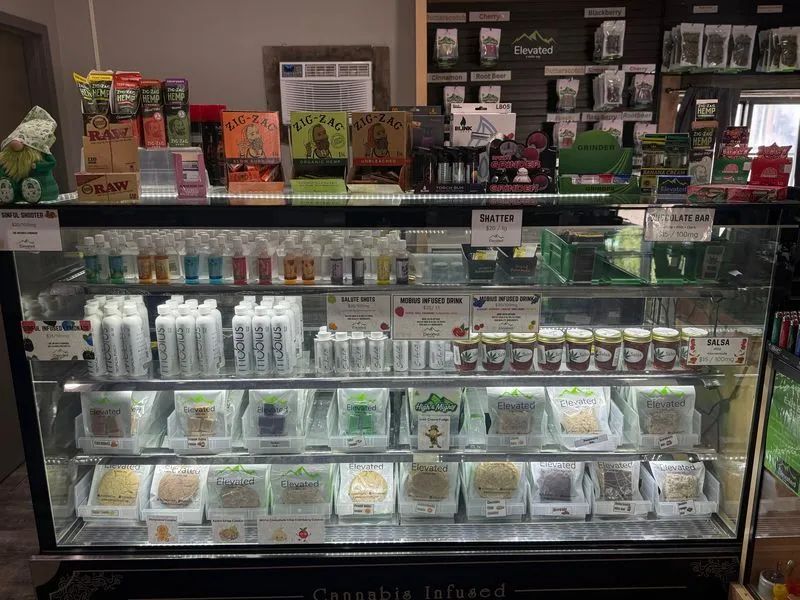
Regulated edibles come with consistent dosing and clear labeling. When someone asks how much you took, you can actually answer. That matters when you are trying to understand timing and risk.
At Elevated, budtender education is a big part of the experience. We help people understand dose, timing, and expectations before there is any pressure attached. Not because something went wrong, but because clarity prevents surprises.

Best Edibles from Elevated
Certain products come up often when people want control and consistency.
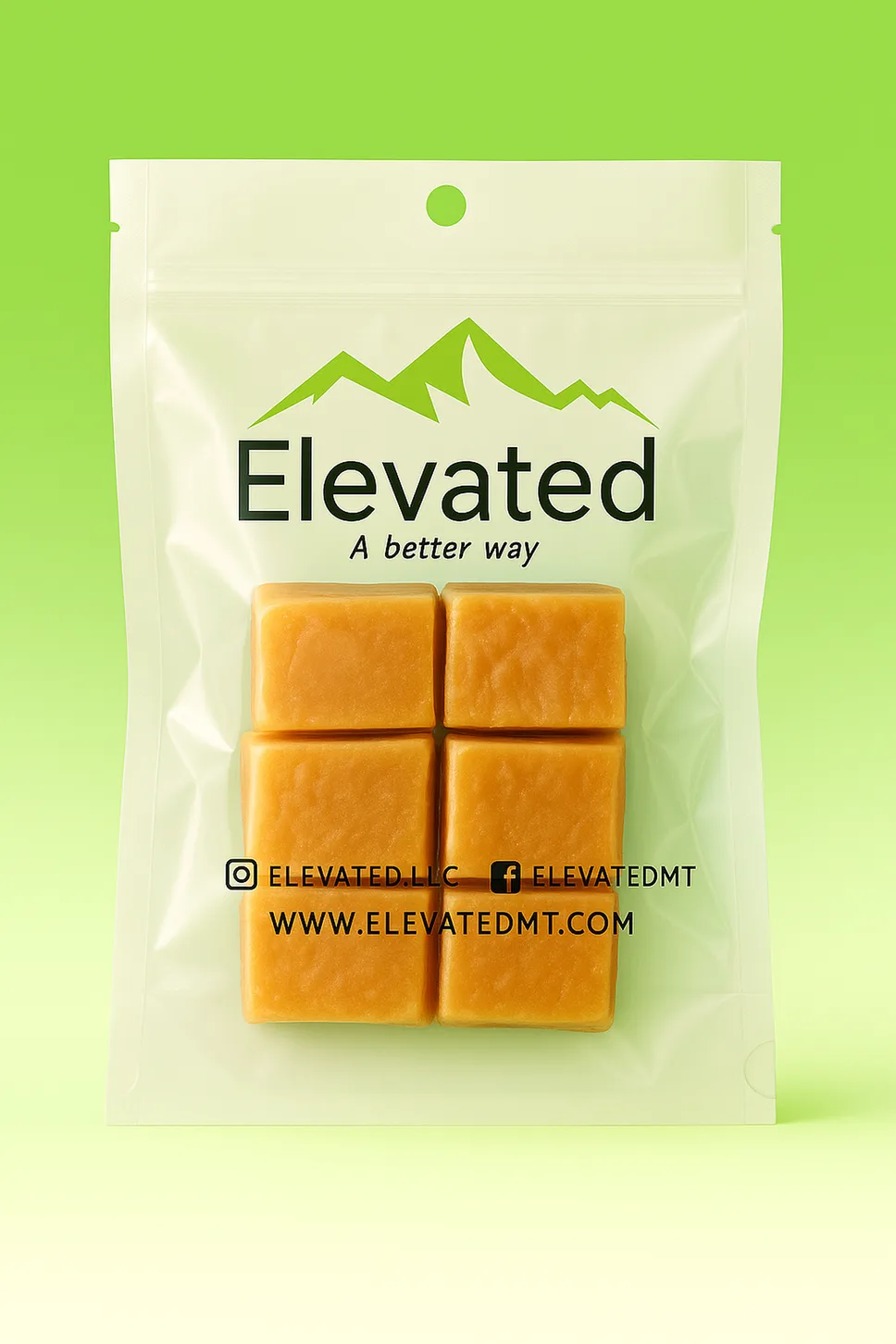
Caramels dissolve slowly and tend to build evenly. People who want a smoother, more gradual experience often gravitate here.

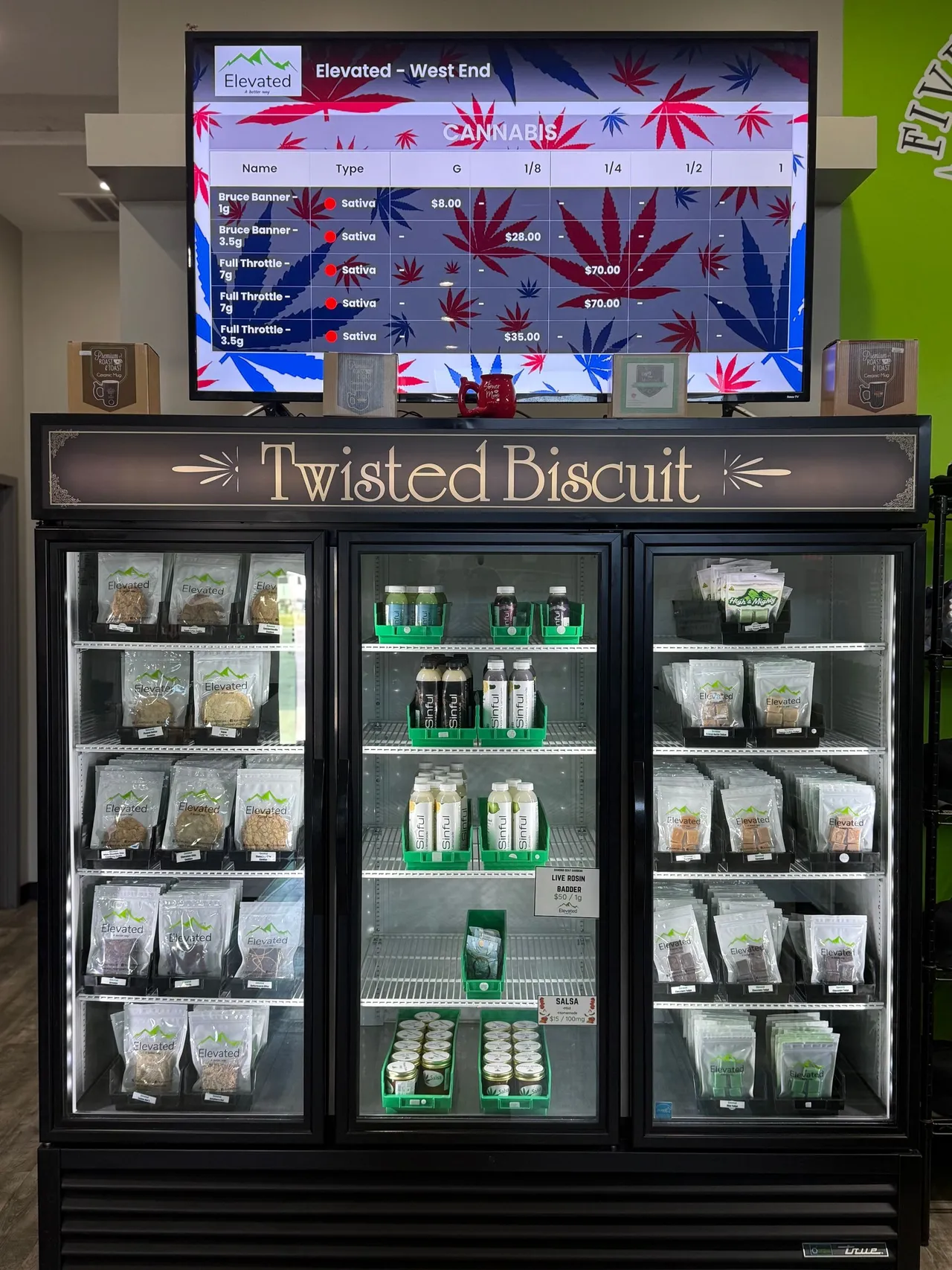
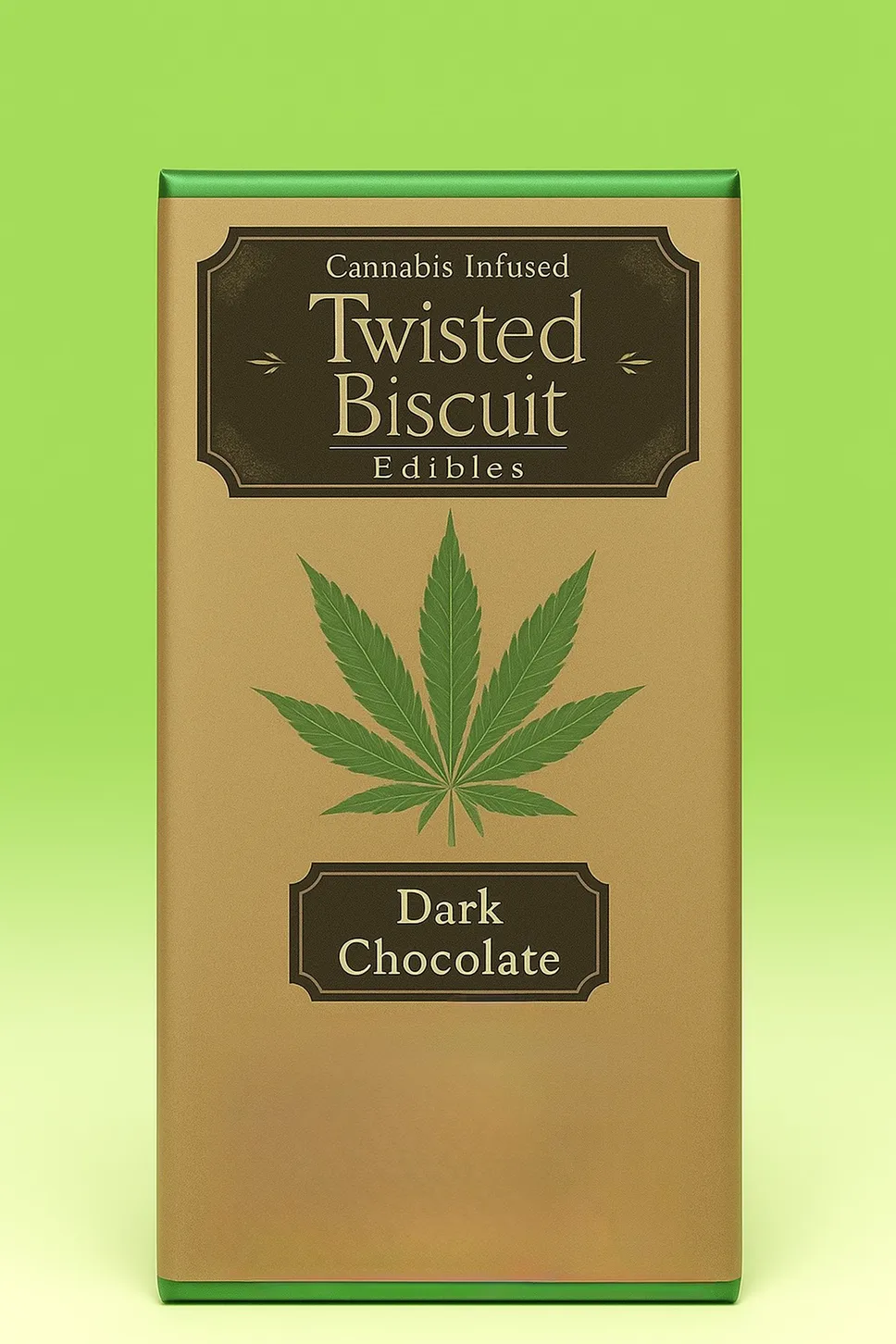
Twisted Biscuit Chocolate Bar Dark
Chocolate bars are easy to portion. That makes it simpler to take a known amount and stop there. They are also great if you like to share.

Gummies are familiar and predictable. They are a popular choice for people who want consistent timing and effects.

Cannabis Edibles Require Knowledge and Discipline
Edibles are not complicated, but they do ask for a little respect. Understanding how long they stay in your system is part of that. THC may not be dangerous, but you need to know exactly what it does inside your body, for legal and other reasons.
If you ever find yourself unsure, that is normal. The difference is whether you are guessing alone or talking to someone who works with these products every day.
That is what Elevated is here for. We know everything there is to know about cannabis edibles, especially since we make our own in an in-house bakery.
If you want to talk it through, stop by one of our locations or ask a budtender. Questions are always welcome.
Disclaimer
The information provided in this blog is for educational purposes only and is not intended as medical advice, diagnosis, or treatment. Cannabis affects everyone differently, and individual results may vary. Always consult a licensed healthcare provider before using cannabis products, especially if you have a medical condition, are pregnant or nursing, or are taking prescription medications.
All cannabis products sold by Elevated are tested by state-licensed Montana laboratories for quality and compliance. Must be 21+ to purchase recreational cannabis, or a registered cardholder for medical products. Consume responsibly and in accordance with Montana state laws.