In this guide, we will walk through how CBD interacts with pain pathways, what current research actually shows, which forms of CBD tend to work best for cancer-related pain, and how Elevated supports cancer patients across Montana with clarity, care, and respect.
How CBD Works as a Pain Reliever
Before getting into formats and products, it helps to understand why CBD even shows up in conversations about cancer pain. CBD does not block pain the way a numbing agent does. It works through systems already built into the body, influencing how pain is processed, amplified, and felt over time.
CBD and the Endocannabinoid System
The endocannabinoid system acts like a built-in balancing network. It helps the body regulate pain signals, inflammation levels, immune activity, mood, and stress responses. This system uses naturally produced cannabinoids to keep those processes from drifting too far in any one direction.
CBD interacts with this system in a subtle way. Instead of directly binding to receptors that cause intoxication, CBD influences how those receptors behave and how long natural cannabinoids stay active.
That indirect action is why CBD does not produce a high and why its effects tend to feel gradual rather than immediate. In the context of pain, this can mean dialing down inflammatory responses, easing overactive nerve signaling, and helping the body return to a steadier baseline.
Why Cancer Pain Is Different Than Other Pain
Cancer pain rarely comes from a single source. It often shifts over time and layers multiple pain types together, which is why blanket advice about strength or dosage usually misses the mark.
Cancer-related pain commonly includes:
- Inflammatory pain caused by tumors or the body’s immune response
- Neuropathic pain from nerve damage or compression
- Pressure-related pain as tumors affect surrounding tissue
- Treatment-related discomfort tied to chemotherapy, radiation, or surgery
Because these pain types behave differently in the body, the question is rarely how strong a CBD product is. The real question is whether the form and formulation line up with the kind of pain someone is dealing with on a given day.
How Effective Is CBD for Different Types of Pain?
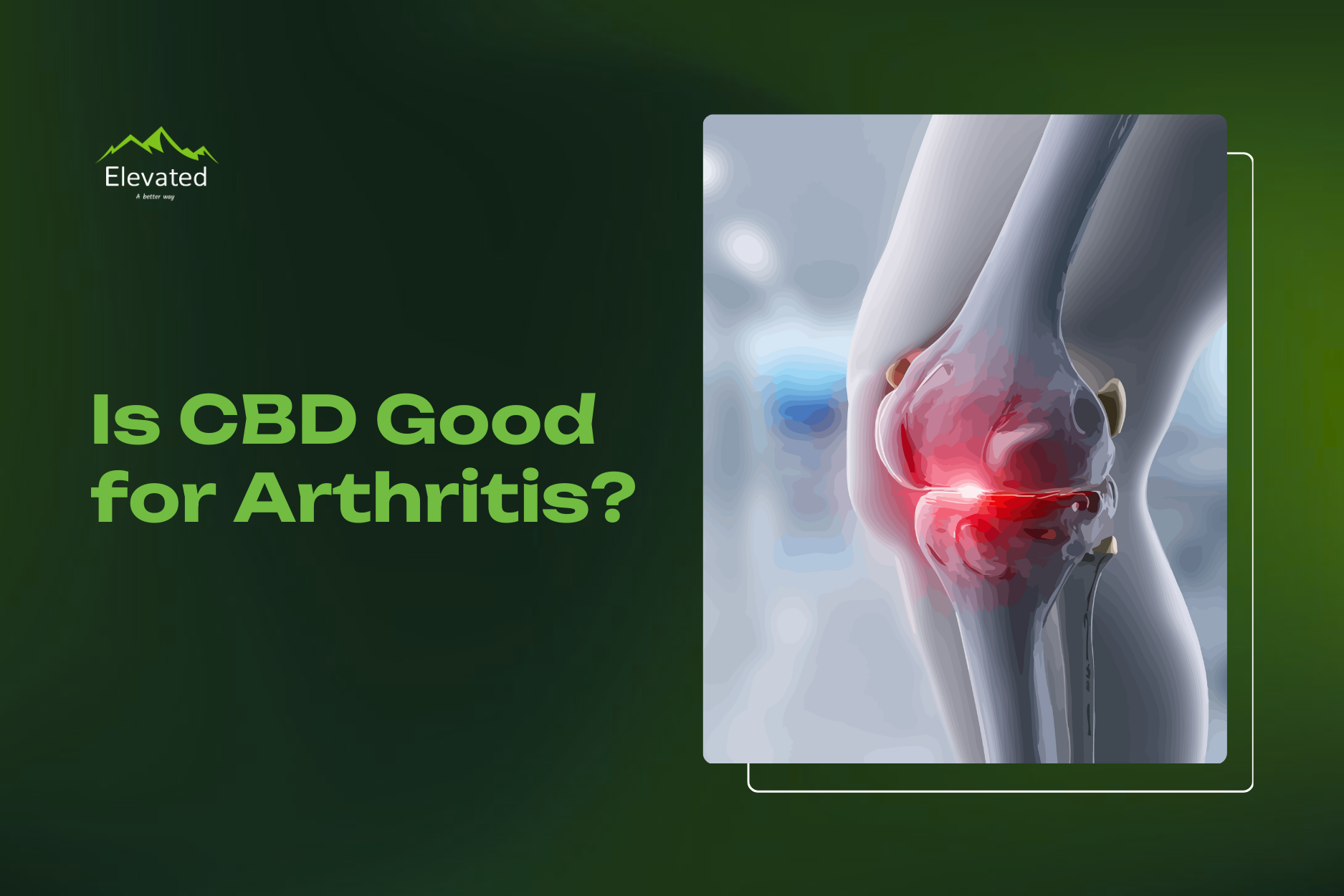
Inflammatory pain tends to show the most consistent response to CBD, especially when inflammation is driving stiffness, soreness, or deep aching. Nerve pain is more complex. Early research and patient experience suggest potential benefits, though results vary more widely.
For severe or breakthrough pain, CBD on its own can feel subtle. This is where expectations matter. Many patients find CBD works best as part of a broader plan that may include other cannabinoids, prescribed medications, or supportive therapies. In practice, CBD often plays a supporting role by smoothing out pain fluctuations, improving sleep, and reducing stress that can intensify how pain is perceived.
What the Research Says About CBD for Cancer Pain
Scientific interest in cannabinoids and cancer pain has grown steadily, though the research landscape remains uneven. Much of what we know comes from carefully designed but limited studies that focus on symptom relief rather than cancer treatment itself.
This distinction matters when evaluating what CBD can realistically offer.
Where the Science Is Right Now
Large human trials are harder to run in cancer pain than in many other conditions. Patients vary widely in diagnosis, treatment plans, opioid use, liver function, and symptom burden. Researchers also face strict controls around dosing consistency and product standardization, which is why many trials use pharmaceutical preparations.
The strongest cancer-pain data
comes from nabiximols, a standardized oral spray with a roughly 1:1 ratio of THC to CBD. A 2012 randomized, double-blind, placebo-controlled graded-dose trial in opioid-treated cancer patients found that low and medium doses improved pain compared with placebo, while higher doses caused more side effects and less tolerability.
A later
phase 3 randomized trial in advanced cancer patients with ongoing pain despite optimized opioids used self-titration and found mixed results overall, with signal in certain subgroups and a reminder that real-world cancer pain rarely behaves like a single condition.
One
controlled clinical study from 2022 examined whether oral CBD could prevent chemotherapy-induced peripheral neuropathy in patients receiving neurotoxic chemotherapy. In this randomized, double-blind, placebo-controlled trial, participants received CBD oil throughout chemotherapy and were monitored for neuropathy development and severity.
The study found no statistically significant difference between the CBD and placebo groups in preventing neuropathy. Importantly, CBD was well tolerated, with no serious safety concerns reported.
Key Findings So Far
Taken together, current research suggests CBD may contribute to symptom relief in several meaningful ways:
- Reduced pain intensity for certain inflammatory and treatment-related pain types
- Improved sleep quality, which often lowers overall pain perception
- Reduced anxiety and stress that amplify physical discomfort
- Improved quality of life metrics reported by patients
Results are more consistent when CBD is used as part of a combined cannabinoid approach rather than as a single compound. CBD alone shows variable outcomes, especially for severe or advanced pain.
Important Safety Notes Researchers Emphasize
Researchers consistently highlight safety considerations alongside potential benefits. CBD can interact with medications metabolized by the liver, including some chemotherapy drugs. Liver enzyme involvement means dosage and timing matter.
There are also unresolved questions around cannabinoid use during immunotherapy, with ongoing research exploring whether certain cannabis compounds may influence treatment response.
Because of these factors, transparency with healthcare providers is emphasized across the literature. Open communication allows CBD use to fit within a coordinated care plan rather than existing outside it.
What Form of CBD Works Best for Cancer Pain?
Once people move past whether CBD can help, the next question is usually about form. This is where a lot of confusion sets in, because “best” depends on how the body processes cannabinoids and what kind of pain someone is dealing with on a daily basis.
CBD Isolate vs Full-Spectrum vs Broad-Spectrum
CBD isolate is exactly what it sounds like. It contains only cannabidiol, with all other cannabinoids and plant compounds removed. For patients who want to avoid THC entirely, this option carries the lowest risk of unintended exposure.
The tradeoff is that isolate can feel subtle, especially for pain driven by inflammation or nerve signaling, where multiple cannabinoids often work together.
Broad-spectrum CBD sits in the middle. It contains several cannabinoids and terpenes while removing detectable THC. Many people choose this option when they want more depth than isolate without crossing into THC-containing products.
For some types of cancer-related discomfort, broad-spectrum products provide a steadier experience without unwanted psychoactive effects.
Full-spectrum CBD includes trace amounts of THC
alongside CBD and other cannabinoids. This combination is often perceived as more effective for certain pain types, particularly when inflammation, sleep disruption, or stress are part of the picture.
Ingested CBD vs Topical CBD
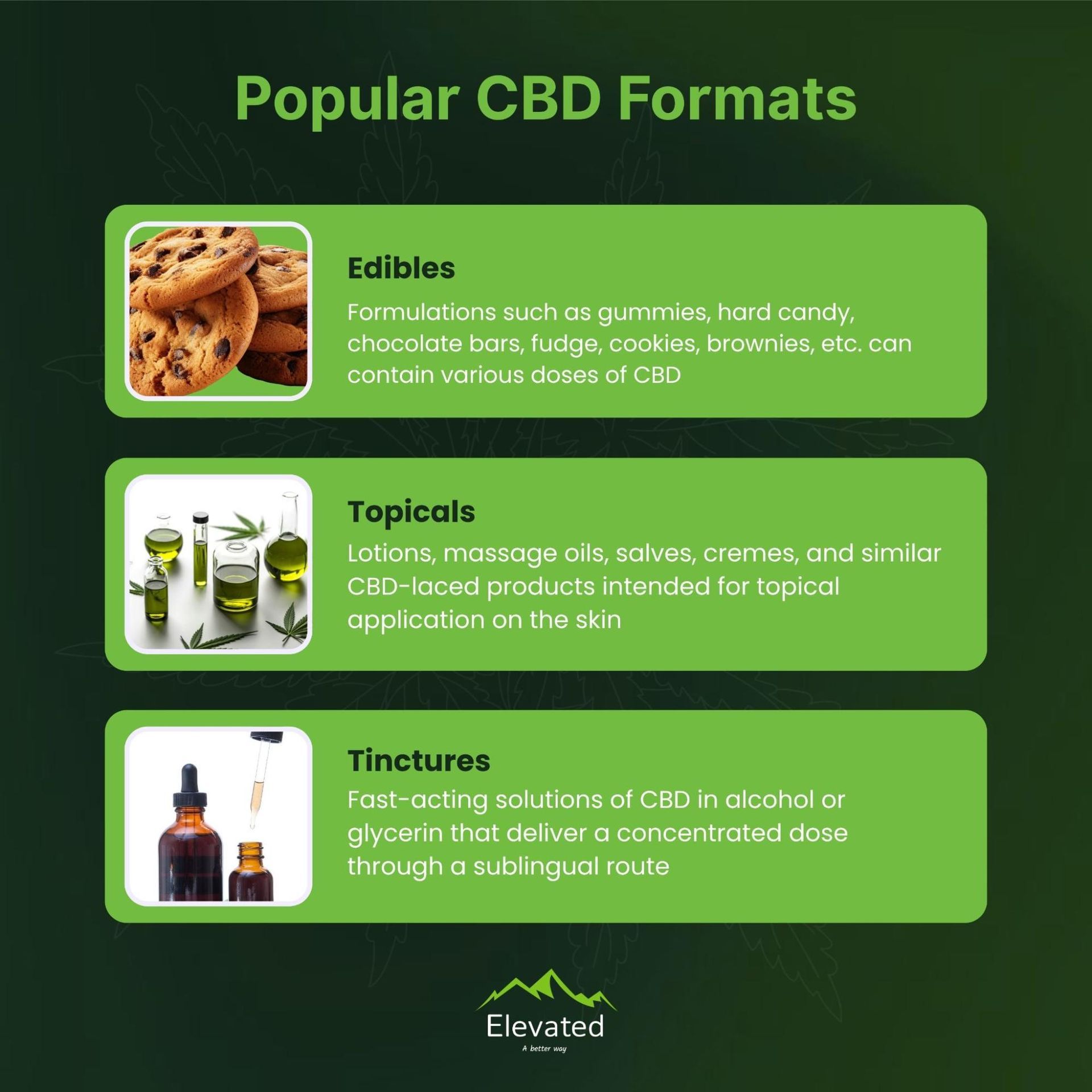
Ingested CBD, including gummies, capsules, and tinctures, enters the bloodstream and works systemically. This makes it better suited for widespread pain, internal discomfort, and pain linked to treatment side effects. Tinctures offer flexible dosing, capsules provide consistency, and gummies deliver longer-lasting effects.
Topical CBD works differently. Creams and balms stay closer to the surface and are best for localized soreness or tension. Their penetration is limited, which means they are unlikely to reach deeper cancer pain on their own. Many patients combine formats, using ingested CBD for baseline support and topicals for targeted relief where the body needs extra attention.