How Long Does THC From a Vape Stay in Your System?
THC from a vape is typically detectable for ~1–3 days after single use, 5–10 days with regular use, and 30+ days with daily or heavy use. Detection depends on frequency, THC dose, body fat, and test type. Drug tests detect THC metabolites, so vaping doesn’t change much compared to smoking or edibles.
Did THC Vapes Really Change the Game
Vapes didn’t replace flower as the most popular way to enjoy cannabis by accident. They showed up because people wanted cleaner sessions, quicker effects, and control over how much THC actually hits their system. Pens and cartridges deliver cannabinoids through vapor, which cuts out combustion and treats your lungs with more respect.
Then reality steps in. Drug tests still exist, and convenience leads straight to a practical question. How long does THC from a vape stay in your body?
Vaping works because it removes smoke from the equation. No combustion means fewer toxic byproducts than burning flower. Vapor hits fast through the lungs, which gives a quicker onset than edibles and far more control than rolling or packing bowls.
Modern cartridges make dosing predictable, one pull at a time. Odor stays minimal, secondhand exposure drops, and discretion improves across the board.
Here are the facts that matter before diving deeper:
- Drug tests look for THC metabolites in the body, not smoke or vapor.
- Vaping does not clear THC faster than smoking flower.
- Frequency and total THC dose shape detection timelines more than how you consume.
- High-THC cartridges can lengthen detection windows due to potency.
In Montana, Elevated has earned trust by treating vape products with the same discipline as any other cannabis format. Clean formulations, lab-tested potency, and consistent dosing form the baseline. That approach matters when timelines and accountability carry real consequences.

In the sections ahead, we’ll break down how THC vapes work, how your body processes and stores cannabinoids, all while setting realistic timelines for clearing THC from your system.
How THC Vapes Work Inside Your Body
THC vapes feel straightforward on the surface. You inhale, effects show up quickly, and the experience feels cleaner than smoke.
Inside your body, though, a few specific mechanics explain why vaping feels efficient and why detection timelines still hinge on THC itself rather than the device delivering it.
Vaporization vs Combustion: What Actually Enters Your Blood
When you inhale vapor, THC travels straight from your lungs into your bloodstream. Absorption happens almost immediately because the lungs offer a large surface area and direct access to circulation. That rapid transfer explains why vape effects arrive fast and feel predictable.
Compared to edibles, vaping bypasses digestion and the liver’s first-pass metabolism.
Bloodstream entry is much faster and far more consistent. Compared to smoking flower, the timing is similar, but the chemistry looks cleaner. Vapor forms at lower temperatures, so you avoid many combustion byproducts found in smoke.
The key detail is efficiency. Vapor still delivers THC very effectively. Cutting out smoke does not reduce how much THC reaches your system. It simply changes how it gets there and what else tags along for the ride.
Cannabinoids in Vape Cartridges: Why Concentration Matters
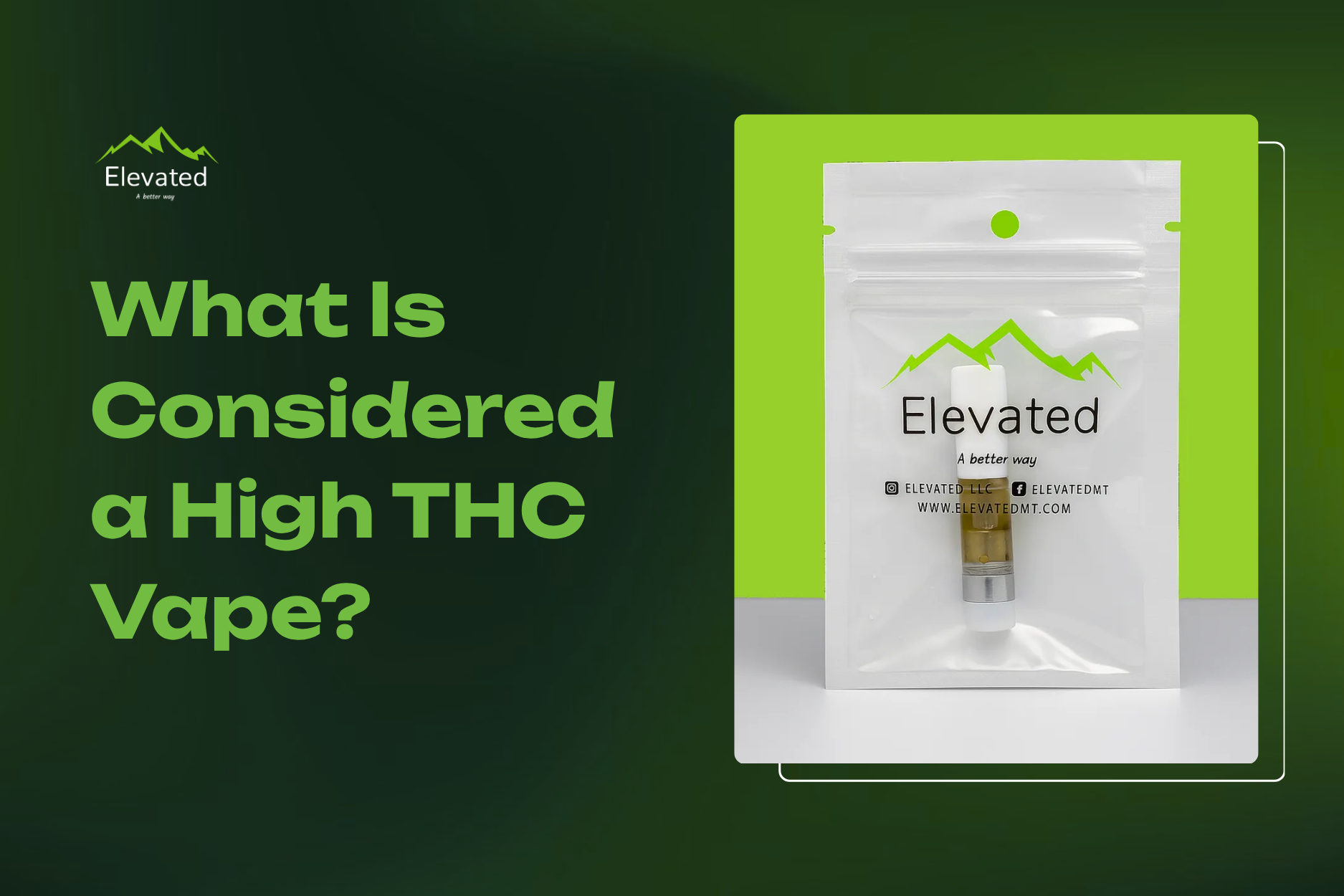
Modern vape cartridges are potent by design. Many products on the shelf today test between 70 and 90 percent THC. That concentration shifts how people consume cannabis, often without realizing it.
One or two controlled hits from a high-THC cartridge can deliver the same amount of THC as an entire bowl of flower. The intake feels smaller, but the dose is not.
From a detection standpoint, your body only tracks total THC exposure. Higher concentration leads to a larger metabolite load once THC is processed.
This is why casual vape use can sometimes linger longer than expected. Potency compresses dose into fewer inhalations, which makes moderation feel easier while quietly increasing intake.
Distillate, Live Resin, Solventless: Does Type Matter for Detection?
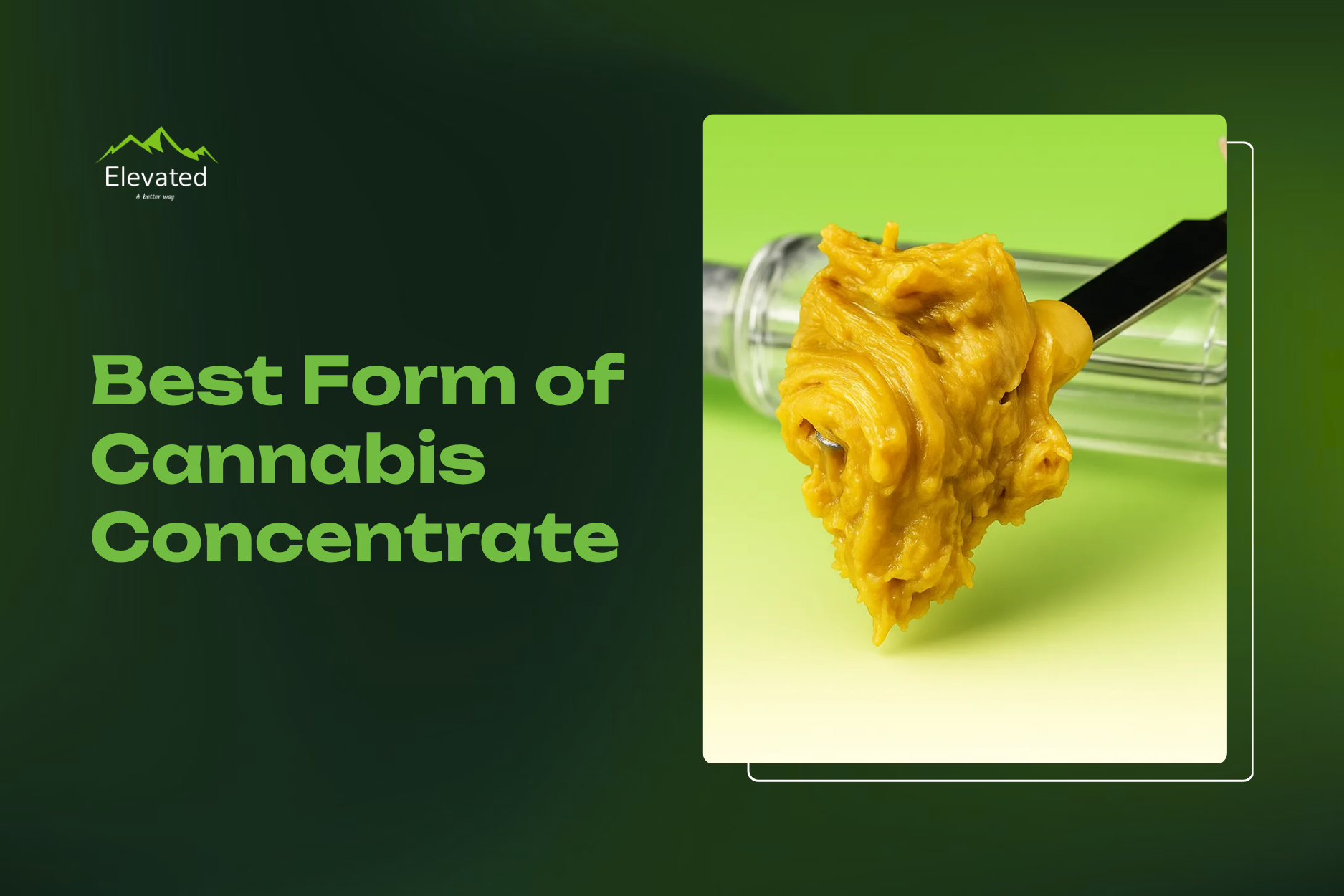
Drug tests do not care whether THC came from distillate, live resin, or solventless extracts. All forms metabolize into the same THC byproducts measured in testing.
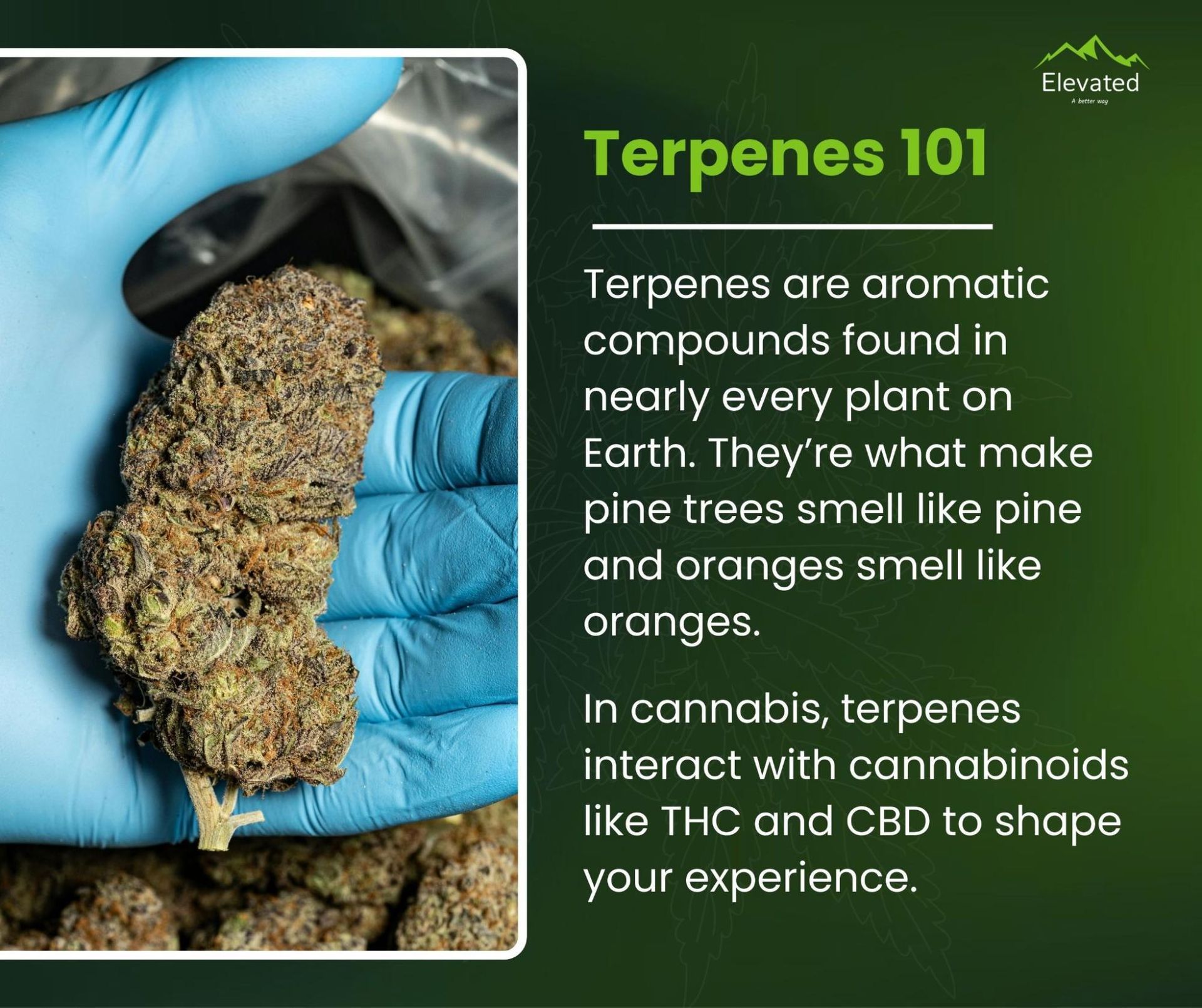
Detection time depends on how much THC enters your body and how often, not how the extract was made. Terpenes influence flavor and subjective effects, but they play no role in drug test outcomes. From the body’s perspective, THC is THC, regardless of the cartridge label.
Why THC Stays So Long: Storage, Metabolism, and Release
Most confusion around THC detection comes from assuming the body treats cannabis like alcohol. It does not. THC follows a very different path once it enters your system, especially when it comes from high-potency vape products.
Storage, metabolism, and release all shape how long THC lingers after the effects fade.
THC Is Fat-Soluble, And That Changes Everything
Once THC enters the bloodstream, it does not simply circulate and disappear. The compound converts into metabolites that bind easily to fat tissue. This storage mechanism allows THC byproducts to settle into the body rather than flush out quickly.
Release happens gradually. As the body burns fat through normal daily activity, stored metabolites reenter circulation in small amounts. That slow release explains why detection can stretch far beyond the felt experience.
Body composition plays a role here. Higher body fat percentage often correlates with longer clearance times, while leaner builds may process and release stored metabolites more efficiently.
This does not mean outcomes are predictable, but it helps explain why two people with similar habits can see very different timelines.
How Your Body Actually Removes THC
The liver handles most of the work once THC reaches circulation. Enzymes convert THC into THC-COOH, the metabolite most drug tests look for. From there, elimination follows a steady, biological pace.
Most THC metabolites exit the body through urine, with a smaller portion leaving through feces. Sweat plays a minimal role, despite persistent myths around sauna use or intense workouts.
There is no reliable method to force THC out of the body on demand. Hydration supports normal kidney function but does not erase metabolites already stored. Products marketed as rapid solutions lack evidence because metabolism follows biology, not shortcuts.
Safe, Realistic Timelines for Clearing THC Completely
Detection timelines cause anxiety because they feel personal. People worry about a single hit, a random monthly test, or a date that suddenly feels too close. The most accurate way to frame timelines focuses on frequency and total THC intake.
Typical urine test detection ranges look like this:
- One-time or very infrequent use: 1 to 3 days
- Occasional use, once or twice per week: 5 to 7 days
- Regular use, three to five times per week: 10 to 15 days
- Daily or heavy use: 30 days or longer
A long break resets much of the clock. Past heavy use fades in relevance after sustained abstinence. Recent frequency carries the most weight when it comes to test outcomes.
Drug Tests Explained: What They Detect and When
Drug testing causes more stress than the cannabis itself because the rules feel opaque. Each testing method looks for THC differently, operates on its own timeline, and answers a different question. None of them measure how impaired someone feels in the moment, but rather seek out biological evidence of prior exposure.
Urine Tests: The Most Common, the Most Stressful
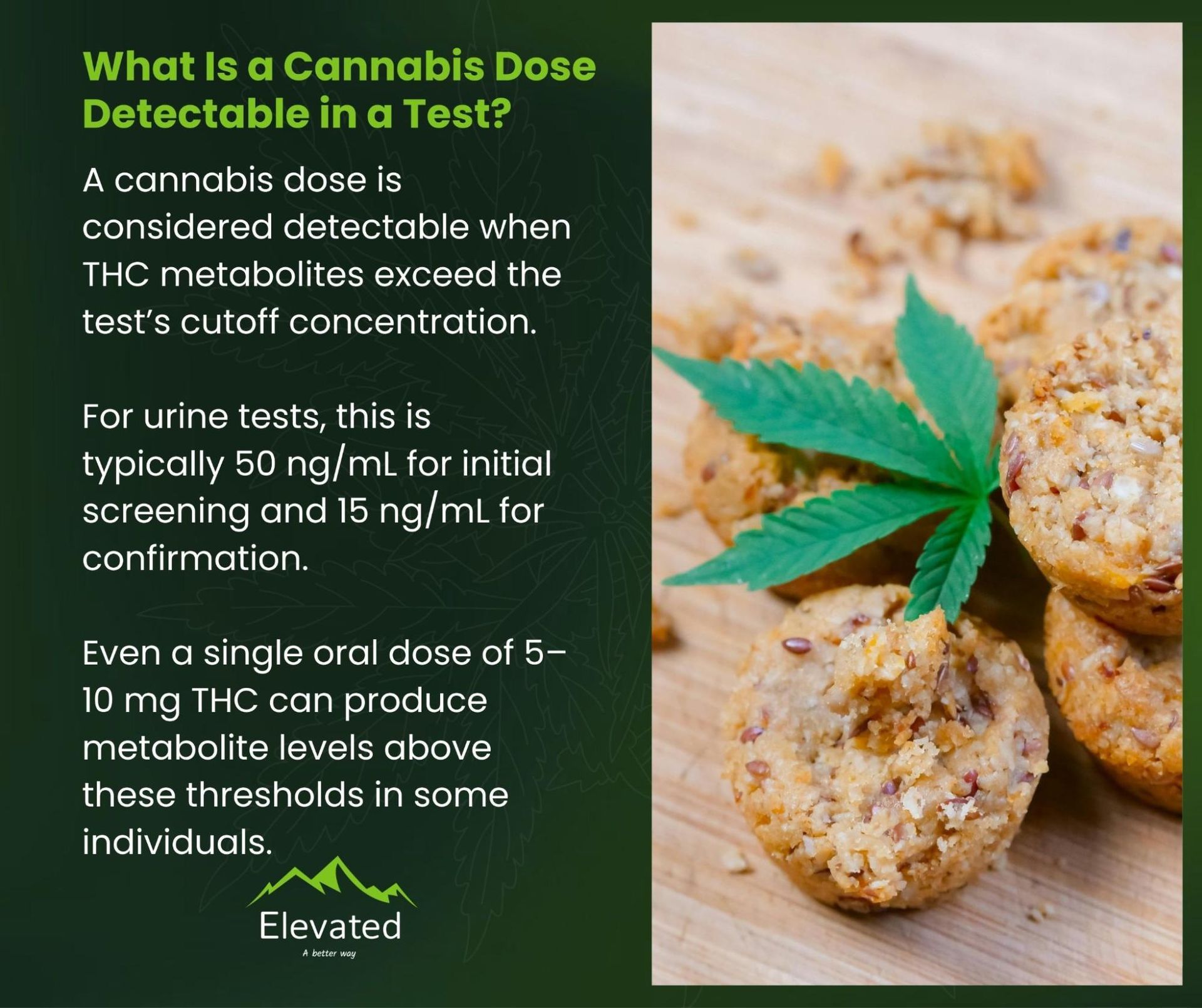
Urine testing remains the standard for workplaces and many screening programs. These tests detect THC-COOH, a metabolite created after the liver processes THC. Presence does not equal impairment. It reflects past use and how much THC the body has processed and stored.
Urine tests respond strongly to cumulative use. Frequent vaping builds a baseline level of metabolites that takes time to decline. Hydration affects urine concentration, but excess water can create its own problems. Overly diluted samples often trigger retests, which extends scrutiny rather than ending it.
Saliva Tests: Short Window, Recent Use
Saliva testing focuses on recent exposure. Detection typically falls within a one to three day window, depending on frequency and potency. These tests appear most often in roadside screening or post-incident situations.
Because saliva reflects what remains in the mouth and upper bloodstream, detection fades faster than urine testing. This method still does not measure impairment with precision. It simply confirms recent THC presence.
Blood Tests: Rare, But Direct
Blood tests detect THC itself rather than long-lived metabolites. For most people, detection windows remain short, often measured in hours rather than days. Heavy or frequent use can extend that window.
Blood testing is uncommon outside of accidents or legal investigations due to cost and invasiveness.
Hair Tests: The Long Lookback
Hair testing offers the longest view. THC metabolites enter hair follicles through the bloodstream and remain as hair grows. Detection can reach back roughly ninety days.
Employment use is rare. Legal cases rely on this method more often because it shows long-term patterns rather than recent timing.
How Different Administration Routes Affect Drug Tests?
People often assume switching methods changes how drug tests respond. Vaping feels cleaner and more controlled than smoking or edibles, so it seems logical that it might carry less risk.
Drug testing does not work that way.
Why Vaping Isn’t “Safer” for Drug Tests
Drug tests cannot tell whether THC came from a vape pen, a joint, or an edible. Once THC enters the bloodstream, it follows the same metabolic pathway and produces the same metabolites. Testing only confirms that THC was present at some point.
Vaping can quietly raise total exposure because of potency. High-THC cartridges deliver concentrated doses in very small volumes. A few controlled pulls can equal or exceed the THC from smoking flower without feeling excessive in the moment.
From a testing perspective, that efficiency works against the idea of reduced risk. More THC in the system means more metabolites stored and released over time.
The perception of safety often comes from reduced odor or faster onset, not from biological differences. Those surface-level benefits do not translate into shorter detection windows.
The Myth of “One Hit Can’t Matter”
A single, small hit usually clears faster than regular use. For most people, micro-use falls out of urine tests within a few days. That reality fuels confidence and sometimes complacency.
Random testing and sensitive thresholds complicate the picture. When test timing is unpredictable, even short detection windows feel risky. High-potency products shrink the margin for error because one hit can carry more THC than expected.
No testing method offers certainty without abstinence.
Timelines describe likelihood, not guarantees. The closer a test falls to recent use, the more variables come into play, including metabolism, hydration, and individual sensitivity. Knowing this helps frame decisions realistically rather than emotionally.
Why Elevated Vapes Are Your Best Choice for Safety
Vape products only work in your favor when you know exactly what you’re using. Potency, formulation, and labeling shape how much THC actually enters your system, which directly affects detection timelines.
Elevated focuses on clarity and consistency so customers can make informed choices without surprises baked into the product.
Precise Dosing, Lab-Tested THC Levels
Elevated treats vape cartridges as measured products rather than novelty items. Every batch is lab tested, and potency numbers are reported clearly. What appears on the label reflects what is inside the cart, pull after pull.
That consistency removes the risk of inflated numbers or vague ranges. When THC levels are stated accurately, users can make informed decisions about dose and frequency.
Predictable intake reduces accidental overconsumption, which is one of the most common reasons detection timelines stretch longer than expected. Precision turns vaping from a guessing exercise into a controlled experience.
Clean Formulations, No Misleading Labels
Formulation matters just as much as potency. Elevated vapes avoid PEG, PG, and unnecessary additives that can complicate inhalation or raise questions about what is being absorbed. The focus stays on cannabinoids and terpenes rather than fillers.
Each product includes a clear cannabinoid breakdown. That transparency supports smarter use and builds trust over time. When labels reflect reality, outcomes become easier to anticipate, both in effects and in how the body processes THC.
Recommended Elevated Vape Products
- Orchard – Orange Slice Pen and Cartridge
(THC 86.5%)
Bright citrus profile with fast onset and controlled, repeatable hits that suit experienced users seeking precision.

- Elevated Black Diamond Premium Cartridge – Blue Dream
(THC 82.1%)
Balanced effects with a familiar terpene profile and steady dosing that supports consistent sessions.
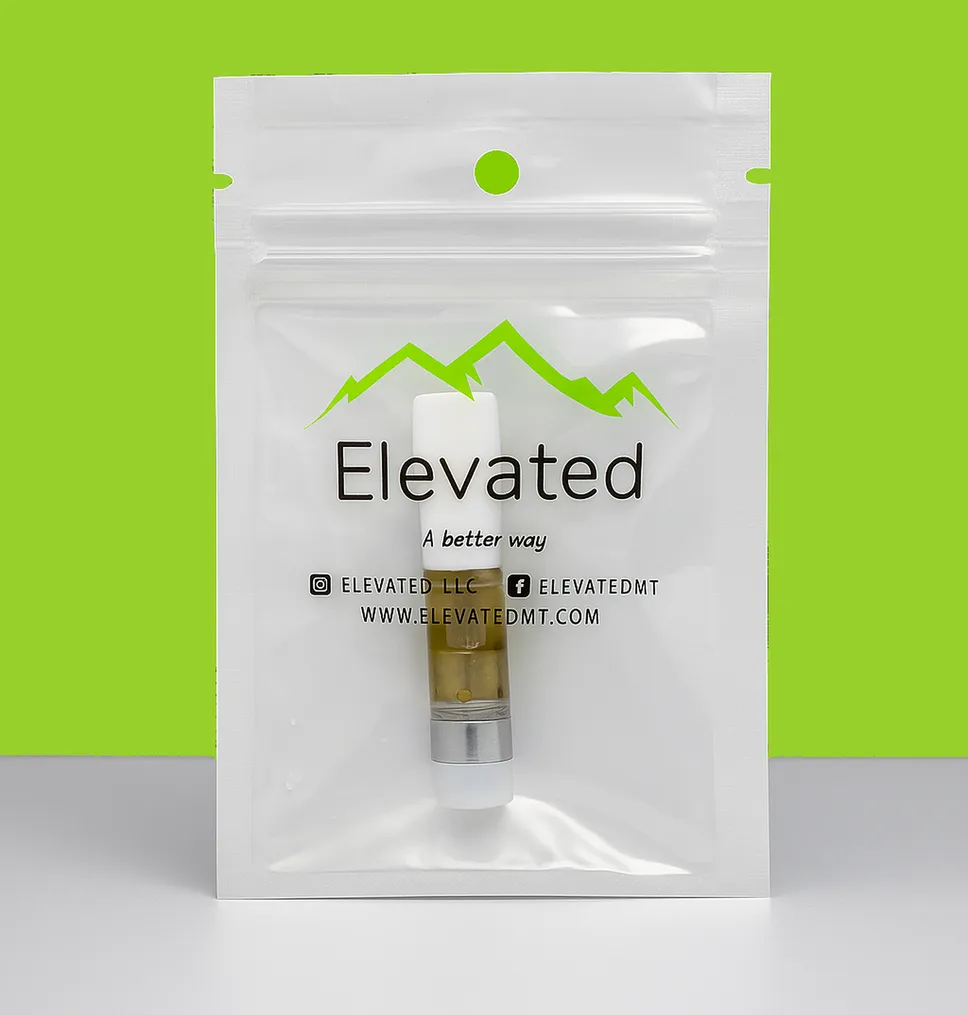
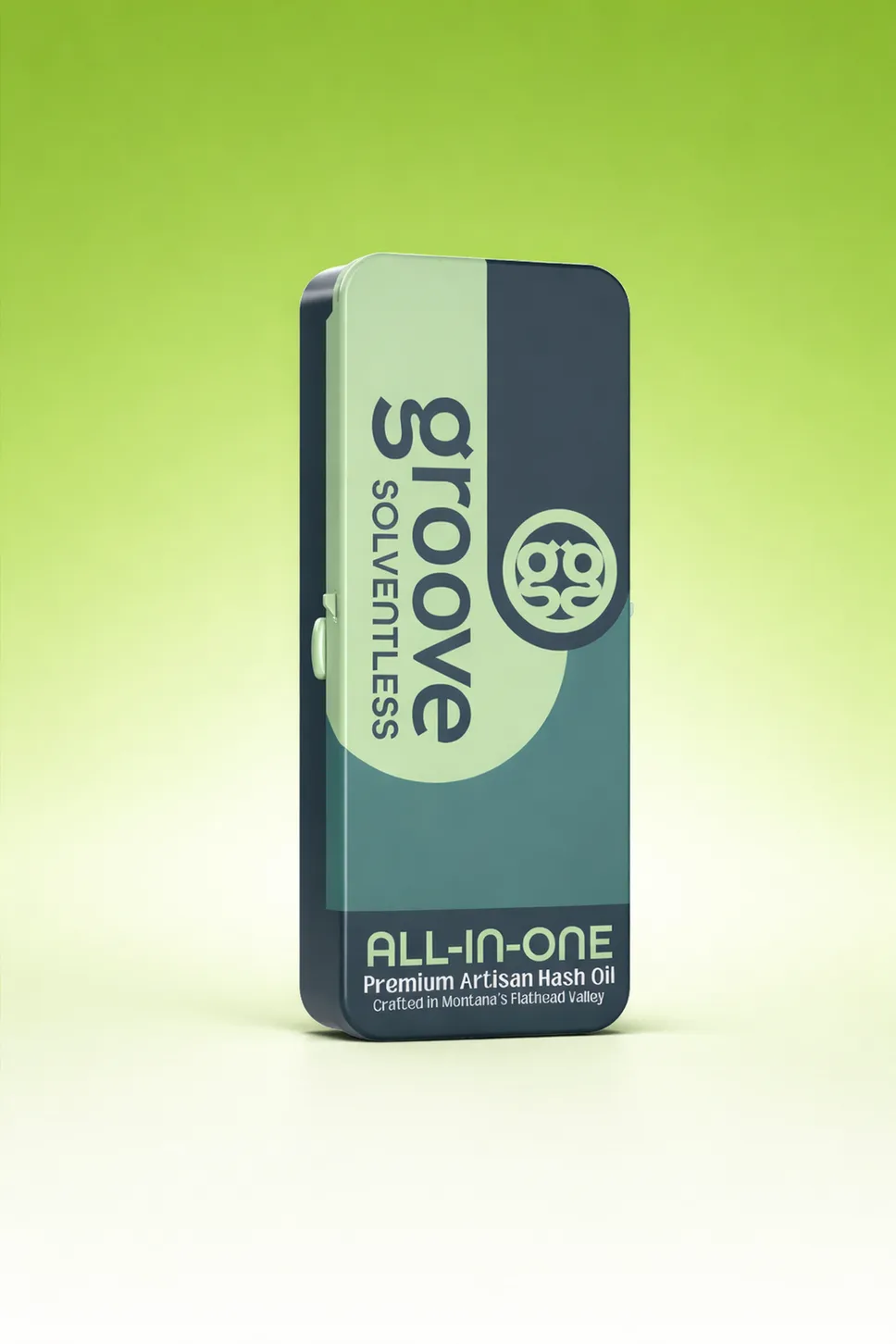
- Groove Solventless AIO Disposable 0.5g – Mac Daddy
(THC 76.6%, CBD 0.15%)
Solventless extraction delivers a fuller cannabinoid experience with a slightly gentler metabolic curve.
Know the Rules Before You Play the Game
THC vapes make cannabis easier to use, but they don’t change how the body keeps score. Once THC enters your system, your metabolism decides the timeline, not the device.
Knowing that removes a lot of the noise around testing and replaces it with something more useful: predictability.
When people run into trouble, it’s rarely because they chose a vape. It’s because potency stacked up faster than expected or labels failed to reflect reality. Clear dosing and honest formulations solve more problems than timing tricks ever will.
If vaping fits your lifestyle, choose products that respect your body and your time. Elevated focuses on that balance, and our Montana dispensaries are the right place to talk it through if you want a second opinion before you buy.
Recent Posts