How to Make Edibles With Flower | Elevated Guide
Edibles are talked about like they are a whole category of their own, but when you strip it down, every edible starts the same way. Cookies, brownies, chocolates, suckers, even that homemade chocolate bar wrapped in foil all follow one shared process.
What separates a mellow, predictable edible from a messy one comes down to execution, patience, and repeatability.
Making edibles at home is very doable for beginners. People do it every day with nothing more than an oven, a saucepan, and a little attention.
The tradeoff is consistency. Home kitchens do not offer the same conditions as commercial facilities, and cannabis flower brings its own variables. Potency shifts, timing matters, and small shortcuts add up fast.
If you still decide to do it on your own, the process looks like this:
- Decarb the cannabis flower to activate THC
- Bind those cannabinoids to a fat like butter or oil
- Use that infused fat in a recipe you already know
- Portion the finished food with dosing in mind
Elevated lives in both worlds. We grow and sell Montana flower that people use for their first batch of homemade edibles, and we also produce in house edibles designed for reliable effects and clean flavor. That perspective shapes this guide.
We’ll walk through how to make edibles at home, point out where things tend to drift off course, and explain when it makes sense to keep experimenting in your kitchen and when it makes sense to let a professional kitchen handle the details for you.
Making Edibles at Home: The Essentials
Making edibles at home sounds straightforward on paper. Heat the flower, melt some butter, bake something familiar.
The part that trips people up is getting the numbers just right. Cannabis does not behave like flour or sugar, and small changes during preparation can shift how the final edible feels.
Smell is usually the first surprise. Decarbing flower in an oven carries a distinct aroma that lingers longer than most people expect.
Temperature brings the next concern. Too much heat can flatten potency, so there is real pressure to keep things steady without hovering in panic.
Strength creates another layer of uncertainty. Two batches made the same way can land very differently, and that unpredictability makes first time dosing feel tense.
Then there is timing. Edibles move on their own schedule, which leads many people to eat more before the first serving has fully shown up.
Experience helps, mostly because repetition builds patience. The first batch usually teaches more than it delivers, and that is normal. Even solid recipes leave room for variation because flower strength and kitchen conditions change.
You do not need culinary training to make edibles at home. You just need the willingness to move slowly, measure carefully, and let the process play out without forcing it.
From Flower to Edible: The Core Steps
Making edibles doesn’t have to feel intimidating, but it does help to know what you are trying to do. A lot of frustration comes from skipping steps, or trying to fix an earlier misstep halfway through the next step.
When you break it down, turning flower into edibles is just a handful of decisions that stack on each other, and getting those right early makes everything that follows smoother.
Step 1: Preparing and Grinding Your Flower
Grinding does more than make flower easier to handle. It creates even exposure to heat during decarbing and helps cannabinoids move into fat later on. Uneven chunks lead to uneven activation, which shows up as unpredictable strength.
The mistake many beginners make is grinding too fine. Powdered flower slips through strainers, clouds butter or oil, and creates a gritty texture in finished edibles. It also concentrates cannabinoids unevenly, which makes dosing harder to control.
Aim for flower that is broken up by hand or with a grinder set to a coarse to medium consistency. You want surface area without dust.
At this stage, strain choice matters more than raw THC percentage. Flower selected for calm, body focused effects will carry those qualities into an edible, while high THC alone often leads to sharper results than people expect.
Step 2: Decarbing Flower
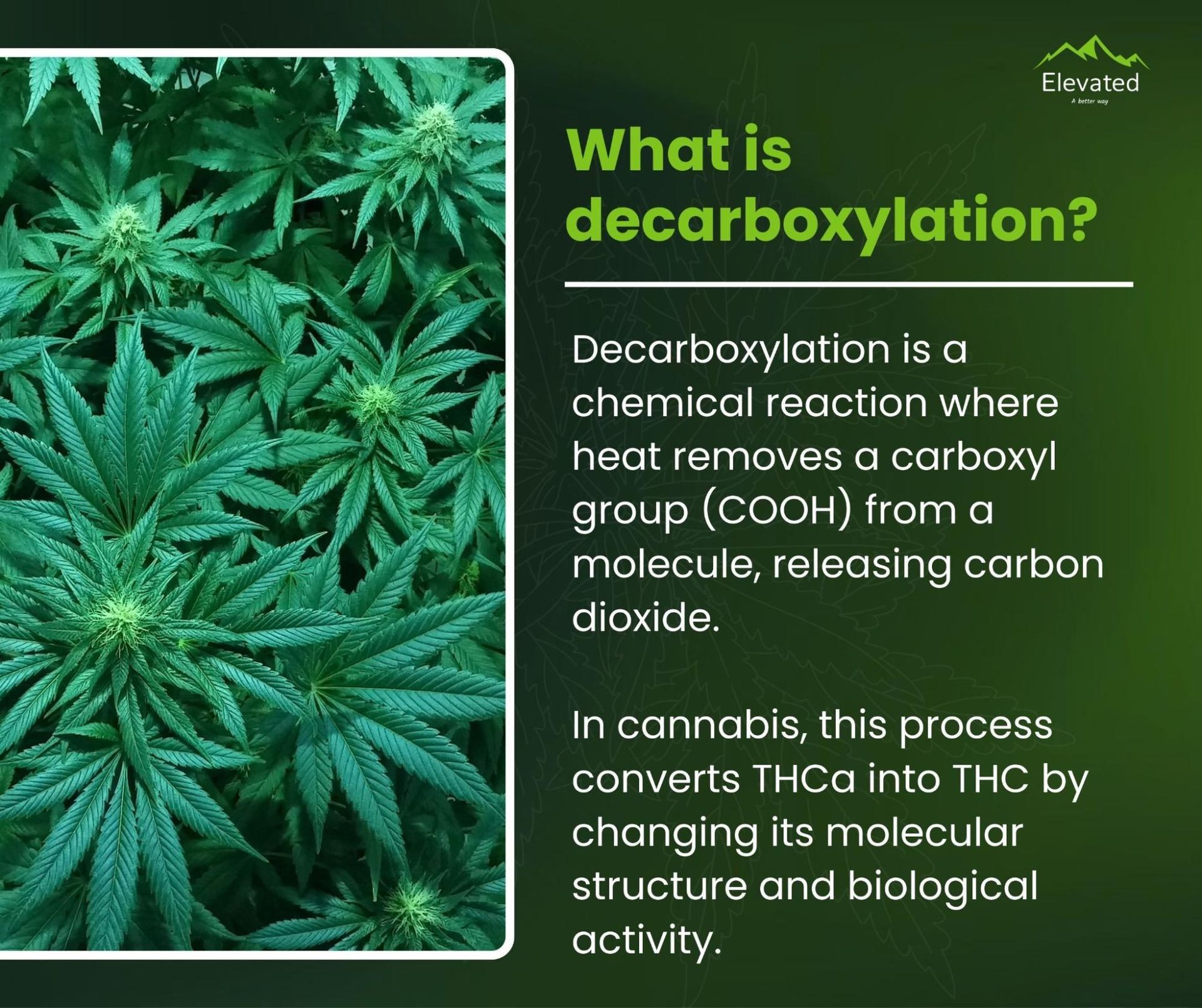
Decarbing is simply the process of using heat to convert inactive cannabinoids into forms your body can process when eaten. Without this step, edibles feel flat or unreliable.
Heat control is the entire game here. Lower temperatures applied steadily allow that conversion to happen without damaging cannabinoids. When heat spikes, potency drops and flavor suffers. Overheated flower still looks usable, which is why people assume it worked when it did not.
Odor management is part of this step. Decarbing produces a strong smell that travels. Ventilation helps. Covered containers or sealed methods reduce how far that aroma spreads, though nothing removes it completely.
Patience matters more than precision. Let the heat do its work without trying to speed it up. That restraint shows up later in smoother effects.
Step 3: Making Cannabutter or Infused Oil the Right Way
THC binds to fat. That is why butter and oils sit at the center of home edible making. Without fat, cannabinoids pass through the body with little effect.
Butter works well for baked goods and familiar recipes. Coconut oil offers stability and blends cleanly into both sweet and savory foods. Other oils can work, but they change flavor and texture more noticeably.
Infusion rewards a low and steady approach. Gentle heat over time allows cannabinoids to move into the fat without scorching plant material. Stir occasionally, keep temperatures in check, and resist the urge to crank the heat.
Straining removes spent flower and improves taste and mouthfeel. For butter, adding water during infusion and chilling afterward allows the butter to solidify cleanly on top, leaving unwanted material behind.
Many people use slow cookers because they hold steady temperatures without constant monitoring.
Step 4: Cooking or Baking With Infused Fat
Recipe choice shapes how reliable an edible feels. High heat and long bake times degrade cannabinoids further. Lower temperature recipes protect potency and keep results closer to what you planned.
Infused fat can replace regular fat in most recipes. Swapping everything creates stronger results, while partial substitution offers more control. In shared kitchens, clearly separating infused foods from regular ones prevents mix ups that no one enjoys.
Step 5: Cutting, Portioning, and Testing Your Edibles
Even cutting matters more than most people think. Uneven portions create uneven experiences.
Start small with a test bite before committing to a full serving. Edibles take longer to show up and stay active longer than inhaled cannabis.
How Much Flower Should You Use?
This is the question that causes the most hesitation, and for good reason. Flower is not a standardized ingredient, and edible strength depends on how that flower behaves once heat, fat, and time enter the picture.
Understanding Edible Potency From THC %
THC percentage gives you a rough starting point, nothing more. A gram of flower labeled at 20 percent THC contains about 200 milligrams of THC on paper.
That number exists before decarbing, before infusion, and before baking. It represents potential, not what ends up on your plate.
Strain choice matters as much as the number on the label. Two flowers with the same THC percentage can feel very different once eaten because cannabinoids and terpenes influence how effects unfold. Edibles amplify those differences.
Focusing only on THC often leads to results that feel sharper or heavier than expected.
Home calculations help you set boundaries, but they do not guarantee outcomes. Kitchen conditions, grind consistency, and heat exposure all influence how much THC survives the process.
Accounting for THC Loss During Cooking
THC does not pass through the edible process untouched. Decarbing activates cannabinoids, but some loss happens during that step. Infusion adds more heat exposure. Baking adds even more. Each stage trims potency in ways that are difficult to measure without lab testing.
This is why homemade edibles feel inconsistent from batch to batch, even when the recipe stays the same. Lab tested edibles account for this loss before packaging. Home kitchens cannot correct for it with precision.
Expect finished edibles to contain less THC than raw flower math suggests, and accept that the exact amount will vary.
The Minimum Amount of Flower You Can Use for Edibles
If you want a realistic floor that still produces noticeable edibles, think in grams, not “a handful.”
For most first-timers, 1 to 2 grams of average-strength flower is the minimum range that reliably produces effects when infused into a batch-sized amount of butter or oil and split into multiple servings.
Anything below a gram and you can still get effects, but it becomes easier to lose consistency because small measuring errors start to matter more than the cannabis.
Best Edibles to Make at Home
Some edibles reward beginners right away. Others demand tight temperature control and precise timing that home kitchens struggle to deliver. Choosing the right format early keeps your first batches enjoyable instead of frustrating.
Beginner-Friendly Homemade Edibles
These options work well because they align with how infused butter and oil behave during cooking and storage.
- Brownies
Dense structure and high fat content help distribute cannabinoids evenly. Brownies stay moist, cut cleanly, and tolerate lower baking temperatures well. - Cookies
Familiar recipes, flexible batch sizes, and easy portioning make cookies a reliable choice. You can bake smaller test batches without committing all your infused fat at once. - Chocolate bars
Melt-and-pour setups avoid extended heat exposure. Chocolate masks herbal flavors and allows precise molding for consistent portions. - Simple no-bake treats
Things like rice cereal treats or peanut butter based snacks skip the oven entirely, which protects potency and shortens the learning curve.
These formats work because they use plenty of fat, follow forgiving recipes, and make it easy to cut or mold servings evenly.
Edibles That Are Tricky for First-Timers
These formats can be rewarding once you master the basic steps, but they demand more control than most first batches can offer.
- Gummies
Gummy texture depends on exact temperatures and timing. Infused oil does not always emulsify cleanly, which leads to uneven strength. - Hard candies
Sugar reaches high temperatures quickly, and cannabinoids degrade fast at those ranges. Small timing errors carry big consequences. - Ultra-low-dose micro-edibles
When each piece is meant to be very mild, even slight distribution issues show up immediately.
These edibles leave little room for error. Precise heat management and emulsification matter more here than in baked goods, which is why many people save them for later once their process feels dialed in.
Why Elevated’s Edibles Are More Reliable Than Homemade

Making edibles at home builds confidence and curiosity, but it also exposes how many variables sit outside your control. Flower potency shifts, heat behaves differently every time, and small losses add up across decarbing, infusion, and baking.
That is where professionally made edibles earn their place at the tablet.
Why Elevated’s Edibles Are More Reliable Than Homemade
Homemade edibles are built on estimates. The THC percentage on a jar gives you a starting point, not a finished result. Heat loss during decarbing and baking changes potency, and no home kitchen can measure exactly what survives the process.
With experience, you get better at managing that uncertainty, but it never fully goes away.
That’s why many customers who still want to make edibles at home choose a more precise starting point. Instead of cooking with flower, we often recommend using a 400mg THC distillate syringe.
Distillate is already decarboxylated, meaning it’s activated and ready to use. There’s no oven step, no lingering smell in your kitchen, and no repeated heat exposure degrading potency. You can measure exactly how many milligrams you’re adding to a recipe, stir it into warm butter or oil, and portion the final product with far more consistency.
It also stretches your dollar further. When you cook with flower, some potency is lost during decarbing and baking. With a 400mg syringe, you’re working with a measured amount from the start. That precision saves money over time and significantly reduces the risk of over- or under-dosing.
If you stop into any Elevated location and ask about making edibles at home, this is usually the route our team will walk you through. Every budtender is trained to explain the differences clearly so you can decide what makes the most sense for your kitchen, your budget, and your comfort level.
Whether you prefer to experiment at home or grab something professionally made, the goal is the same: predictable effects without guesswork.
Three Elevated Edibles That Feel Homemade
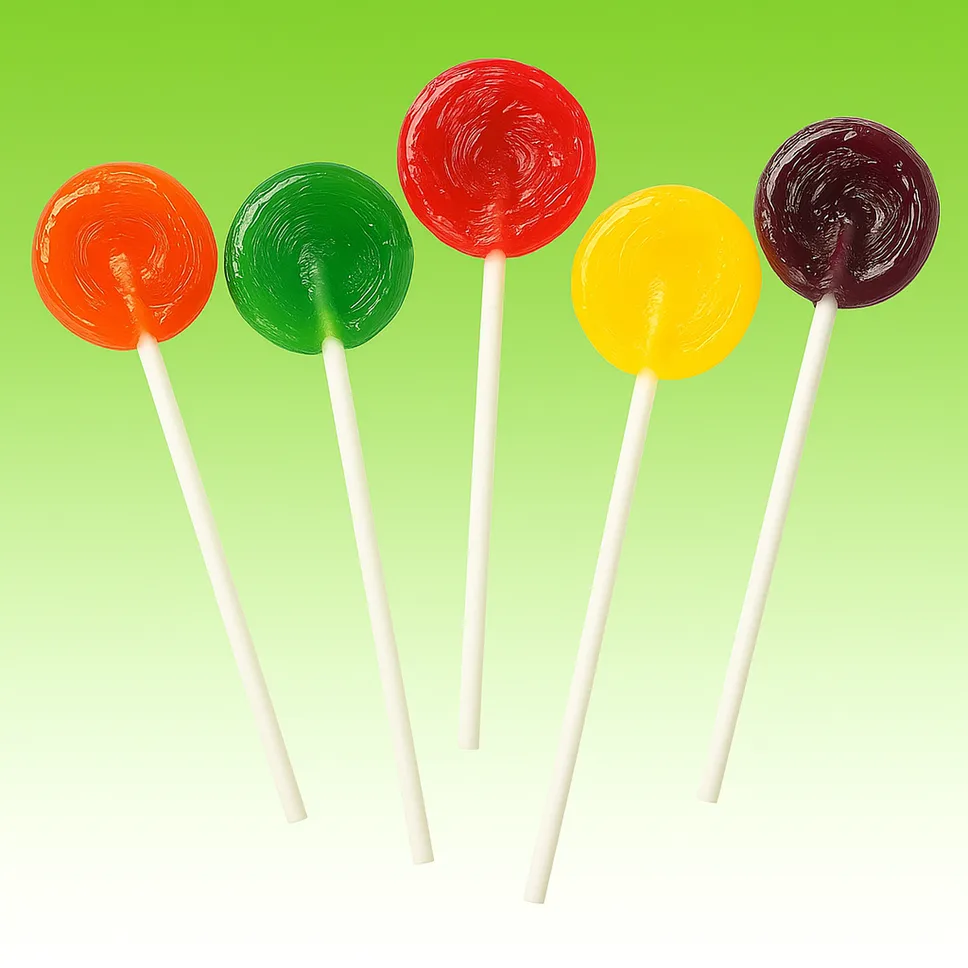
A rich, balanced dessert-style edible with a familiar baked texture and smooth effects that will impress even the pickiest eaters.
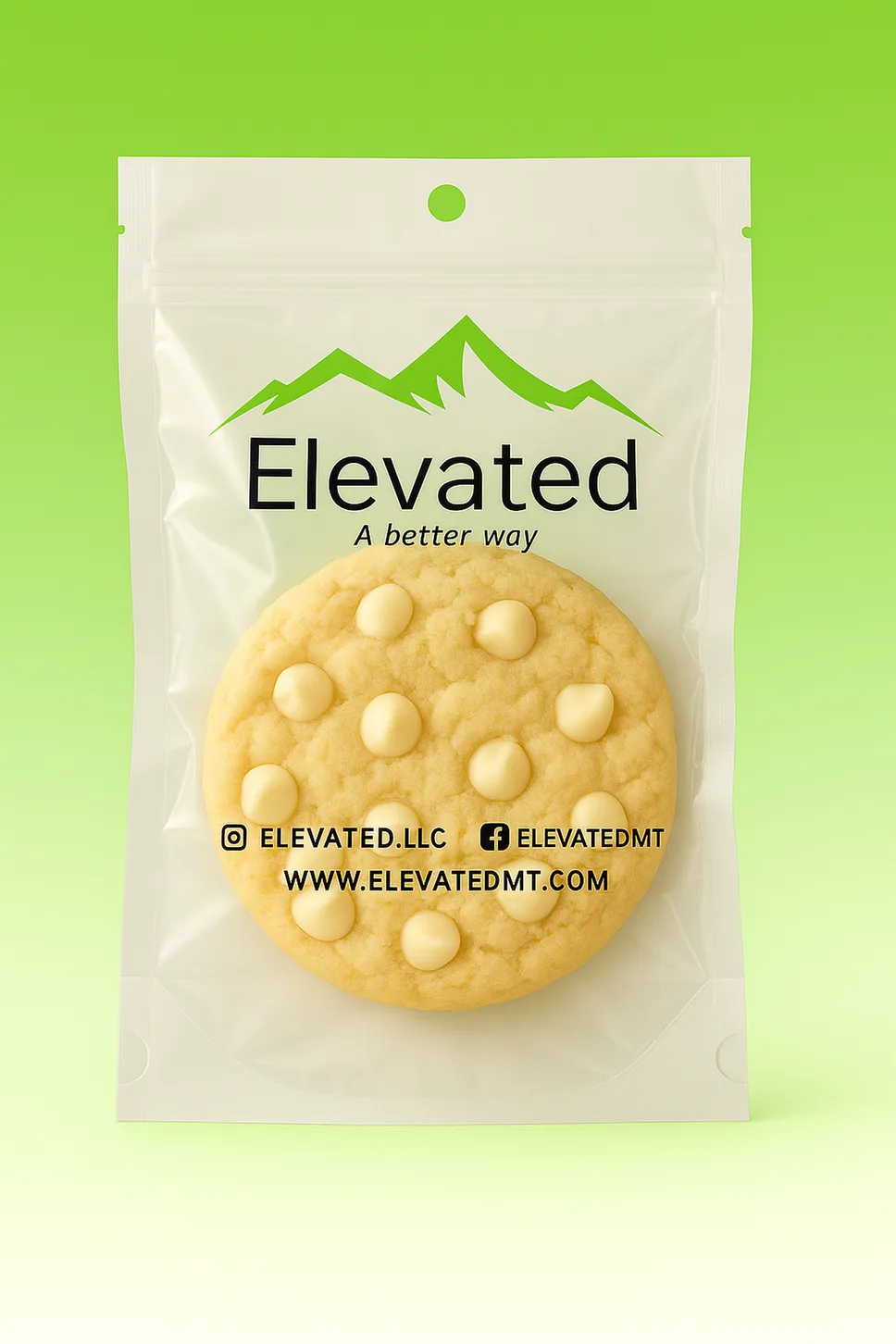
- High & Mighty Sucker – Green Apple
Easy to dose, very discreet to carry around, and ideal for people who want controlled effects that unfold over time.
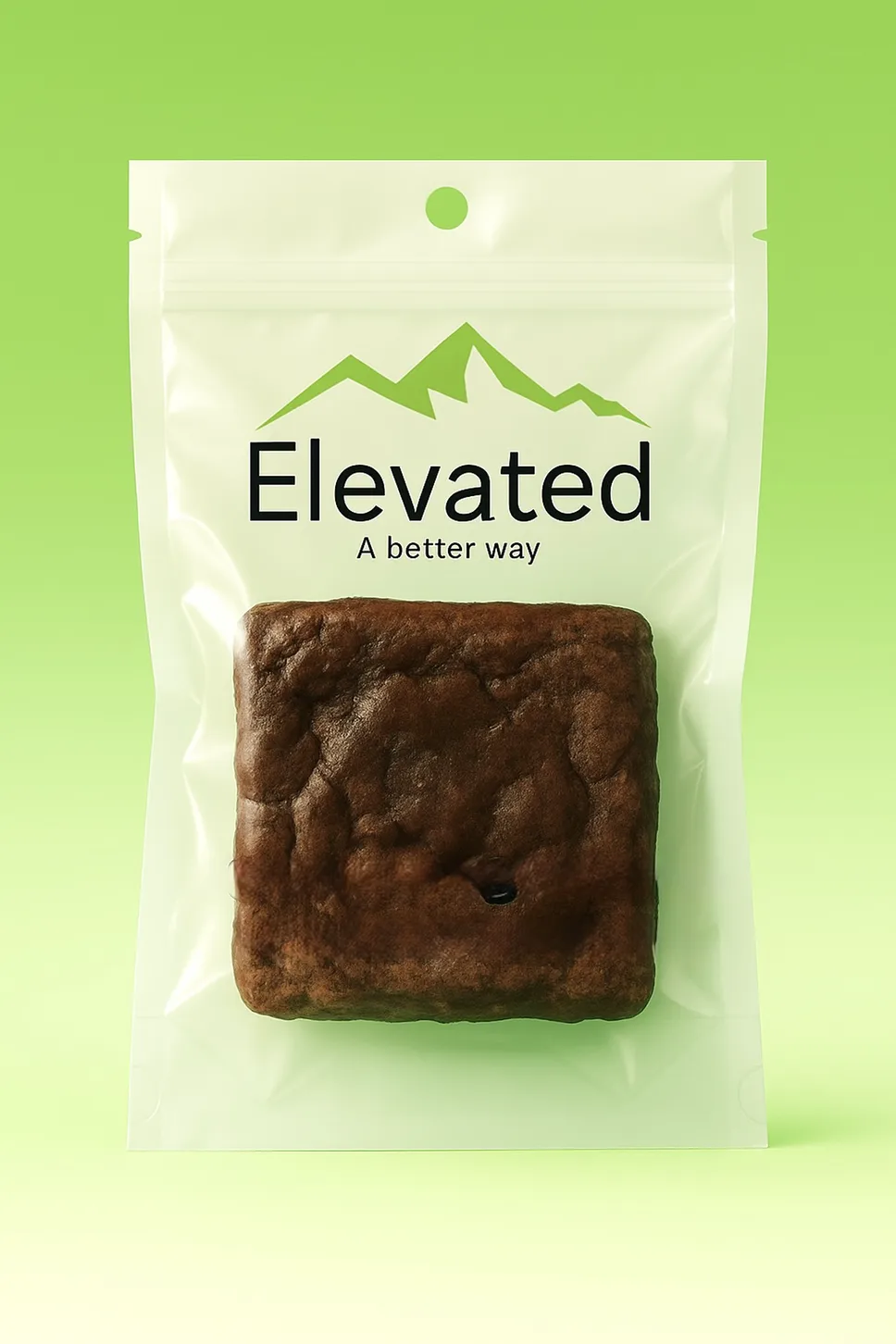
- High & Mighty Brownie
A classic format with even dosing and consistent results batch after batch, built for comfort rather than surprises.
Prepare Before You Preheat the Oven
Edibles have a way of slowing you down, whether you plan for that or not.
You start paying attention to heat, timing, and small decisions that usually get ignored. Sometimes the result is exactly what you wanted. Sometimes it’s just fine, and that’s still a win because you learned how your setup behaves.
There’s nothing wrong with enjoying the hands-on process and dialing it in over time. There’s also nothing wrong with deciding you’d rather skip the trial runs and grab something that already does what you want it to do.
If you ever want to talk it through, swing by Elevated. Ask questions, look at flower, check out edibles, or just get pointed in the right direction.
Disclaimer
The information provided in this blog is for educational purposes only and is not intended as medical advice, diagnosis, or treatment. Cannabis affects everyone differently, and individual results may vary. Always consult a licensed healthcare provider before using cannabis products, especially if you have a medical condition, are pregnant or nursing, or are taking prescription medications.
All cannabis products sold by Elevated are tested by state-licensed Montana laboratories for quality and compliance. Must be 21+ to purchase recreational cannabis, or a registered cardholder for medical products. Consume responsibly and in accordance with Montana state laws.
Recent Posts