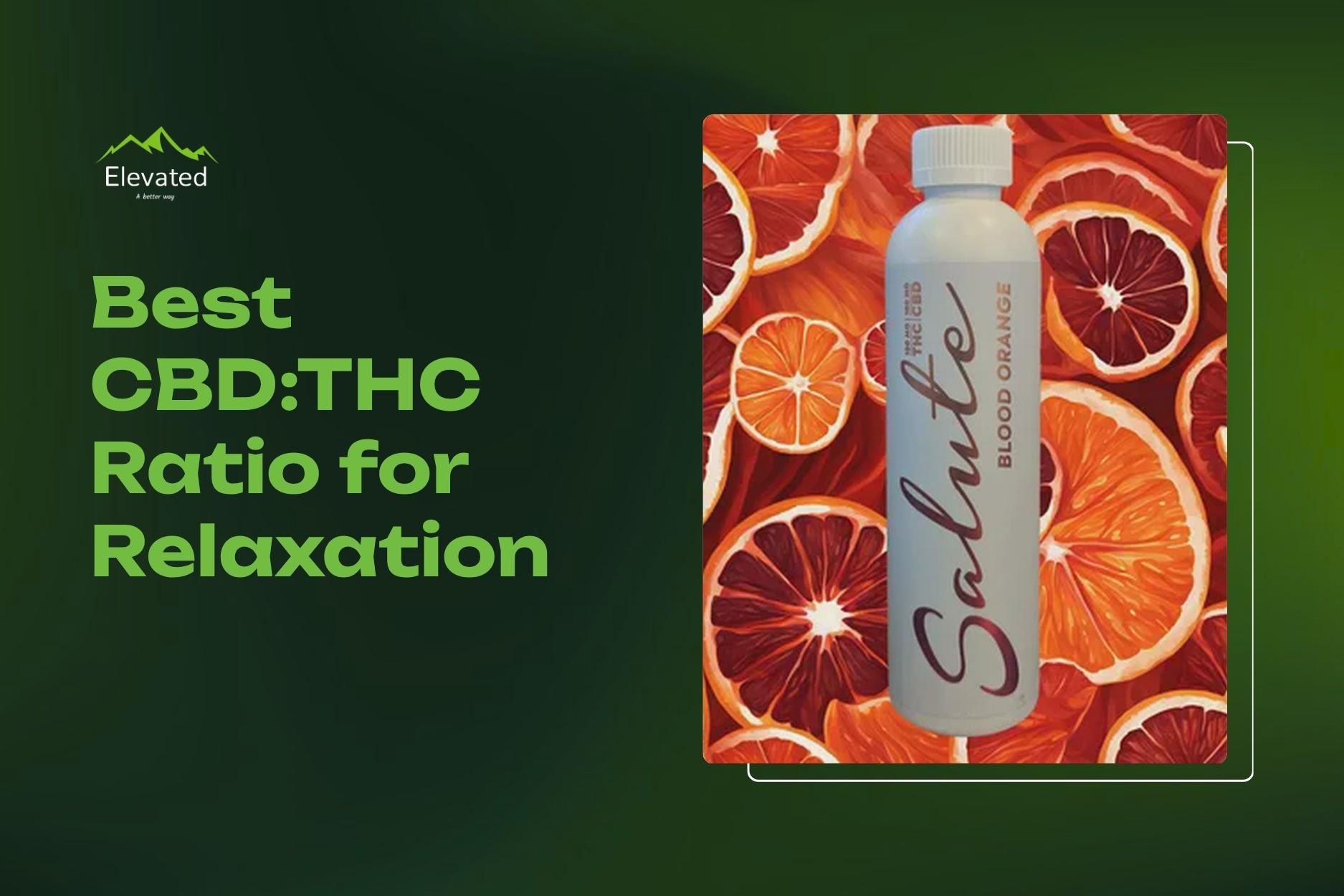
Best CBD:THC Ratio for Relaxation
The best CBD:THC ratio for relaxation without anxiety is typically 10:1 or 5:1, offering CBD’s calm with minimal THC psychoactivity. For balanced euphoria and body relief, a 1:1 ratio suits moderate users, while high-THC ratios (1:2+) fit experienced consumers seeking deeper relaxation.
Cannabis Offers a Way to Unwind Naturally
The cannabis world has evolved far beyond the days of guessing what’s in your jar. Walk into a Montana dispensary today and you’ll find a spectrum of products ranging from CBD-rich tinctures to balanced pre-rolls and potent THC flower, each crafted for a specific effect.
Choosing the right one starts with knowing what each cannabinoid brings to the table.
CBD, or cannabidiol, is the quiet stabilizer of the plant. It eases physical tension, supports calm focus, and relaxes the body without altering perception. People reach for CBD when they want to unwind, stay sharp, and recover after long days without drifting into euphoria.
THC, or delta-9-tetrahydrocannabinol, is the active compound responsible for cannabis’ signature “high.” It releases dopamine, eases discomfort, and deepens relaxation throughout the body and mind. In smaller amounts, THC enhances mood and helps muscles let go. At higher doses, it can feel more intense or stimulating for some users.
Together, CBD and THC interact in ways that shape the entire experience, with each influencing how the other feels. That balance determines whether your session ends in light tranquility or full-body stillness.
The top team of budtenders working with
Elevated Montana helps locals and visitors “shop by effect” instead of by strain name or potency number. With flower grown and products made right here in Montana, we guide each guest toward the blend that fits their ideal state of calm.
What CBD:THC Ratio Really Means

Ratios set the feel of a session before a single milligram touches your system. They describe the relationship between CBD and THC, which is why two products with the same total cannabinoids can feel completely different.
Think of ratio as the steering input, and dose as the accelerator.
The Math Behind the Calm
A 10:1 CBD:THC ratio means ten parts CBD for every one part THC. A 1:1 ratio contains equal amounts of each. This relationship shapes perception more than raw potency, because CBD changes how THC engages CB1 receptors in the brain.
A 5 mg gummy at 10:1 can feel smoother than a 2.5 mg gummy at 1:1, since the higher relative CBD can steady the experience. Small shifts in ratio can flip a session from clear-headed calm to drowsy relief, which is why ratio-first shopping is a reliable way to dial in relaxation without overshooting into intensity.
The Science of Synergy
CBD and THC interact across the endocannabinoid system, including CB1 and CB2 pathways. Reviews of cannabinoid combinations describe this as a form of pharmacologic synergy often called the “entourage effect,” where cannabinoids modulate each other’s impact.
See this open-access review of cannabis product synergy in Pharmaceuticals for a current overview of mechanisms and debates around the term: comprehensive entourage review.
When anxiety control sits at the top of the goal list, balanced or CBD-leaning pairings are frequently favored. A systematic review on how CBD influences the acute effects of THC found mixed results overall yet reported several studies in which CBD attenuated THC effects, which aligns with many consumers’ preference for 10:1 and 5:1 when seeking calm without jitter. You can read the abstract here: systematic review on CBD’s influence over THC’s acute effects.
Neuroimaging work adds brain-level context. In healthy volunteers, CBD and THC given alone and together altered striato-cortical connectivity, indicating that CBD can reshape THC’s functional footprint. See the Journal of Psychopharmacology paper: CBD and THC combined, fMRI connectivity study.
Complementary clinical reviews summarize that THC can be anxiogenic at higher doses, while CBD trends anxiolytic across several controlled and quasi-experimental designs, though effect sizes and dosing thresholds vary. For a recent overview, see this review on THC, CBD, and anxiety.
Taken together, these findings support a practical takeaway for relaxation seekers. Use ratio to shape the feel, then fine-tune total milligrams. For anxiety-prone readers, CBD-forward profiles such as 10:1 or 5:1 provide calm with minimal psychoactivity, while 1:1 offers a balanced glide that many find deeply relaxing yet manageable.
Weed Helps You Relax but Too Much THC Can Backfire
Cannabis has earned its place as a go-to option for winding down at the end of a demanding day. Many people reach for it to release muscle tension, ease mental clutter, and restore a sense of balance.
A well-matched strain or ratio can quiet stress faster than a glass of wine or a nightcap, but the key lies in the right combination of cannabinoids.
When THC Oversteps the Line
The question many users quietly ask is, “What if THC makes me anxious instead of calm?” It’s valid. THC activates CB1 receptors in the brain, which influence dopamine and emotional processing.
For most people this brings a gentle lift and relaxation, but for sensitive users or those with lower tolerance, too much THC can overstimulate those same receptors. The result can be racing thoughts, elevated heart rate, or a loop of over-focus that replaces calm with tension.
Those managing post-traumatic stress often describe this effect as their main barrier to enjoying cannabis.
How CBD Restores Balance
CBD moderates THC’s intensity by acting as a partial antagonist at CB1 receptors, easing overstimulation and grounding the experience. Think of CBD as a built-in control system that lets you stay relaxed without losing clarity. By including more CBD in the mix, you widen the margin between calm and chaos.
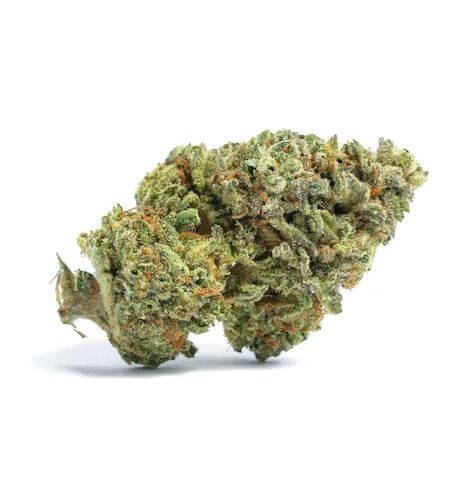
Elevated Recommendation: For a reliable path to smooth, tension-free relaxation, try the uniquely grown Huckleberry Web strain. This high-CBD strain carries just enough THC to release physical stress while keeping the mind steady.
Finding Your Ideal Ratio: Matching Tolerance to Effect
The right CBD:THC ratio depends less on what looks good on paper and more on how your body responds.
Everyone processes cannabinoids differently, shaped by tolerance, metabolism, and prior use. A dose that melts stress for one person might overwhelm another. Thinking in tiers of low, medium, and high tolerance helps you identify a comfortable starting point.
Low Tolerance: Keep It Calm and Clear
For those new to cannabis or returning after a long break, a 10:1 or 5:1 CBD:THC ratio offers gentle relaxation with minimal psychoactivity. These CBD-forward blends provide body ease without the intensity that can cause anxiety or racing thoughts.
The result is quiet relaxation that stays functional and clear.
People who find pure CBD too subtle often discover balance in this range. A small amount of THC deepens physical calm while CBD steadies the mind. Products such as CBD-heavy flower, low-dose gummies, or measured tinctures are easy to control and build from.
Elevated Montana budtenders often recommend this tier for customers seeking relaxation that relieves tension yet allows conversation, focus, or outdoor activity.
Medium Tolerance: Balanced Mind and Body
Once your system adjusts to cannabinoids, the 2:1 or 1:1 ratio becomes a natural next step. This balance creates mild euphoria alongside muscle release and mental clarity. The 1:1 profile is popular for evening unwinding because it takes the edge off stress while keeping awareness intact. It supports socializing, creativity, or quiet reflection without heavy sedation.
This middle ground works well for those who already know how THC feels but want a smoother, more centered relaxation. Balanced flower and moderate-dose edibles typically deliver this effect most consistently.
High Tolerance: Deep Chill, Full Spectrum
For experienced consumers, 1:2 or 1:3 ratios produce deep physical calm that borders on stillness. The added THC helps relax persistent tension and prepares the body for rest. At the same time, tolerance can build quickly, and higher ratios sometimes shift from relaxation to fatigue if used heavily.
Seasoned users often fine-tune their preferred ratio by blending CBD-rich and THC-rich flower. Adjusting the mix by small increments lets them maintain comfort without losing clarity, creating a personal balance point that feels restorative rather than overpowering.
When Relaxation Comes with a Buzz: THC-Dominant Comfort
For many cannabis users, relaxation is not only about physical calm but also about the soft, drifting headbuzz that signals the mind is letting go. THC-dominant products bring that familiar wave of ease by engaging both body and brain in tandem.
The result can feel expansive, steady, and deeply grounding when matched correctly to tolerance and setting.
Moderate-to-high THC ratios activate CB1 receptors more strongly, releasing dopamine and quieting overactivity in the nervous system. This combination can ease pain, soften chronic muscle tension, and quiet the looping thoughts that interfere with sleep.
For people who have built up tolerance or manage nightly discomfort, these profiles often provide the most complete sense of relief.
The question that naturally follows is, “Will it make me too high or anxious?” The answer lies in pacing and chemistry.
THC-dominant strains with balanced terpene profiles tend to lean toward relaxation rather than stimulation. Taking small doses, waiting for onset, and layering CBD when needed allows for comfort without overstimulation. This slower approach gives THC space to settle into its intended rhythm of calm rather than racing ahead into intensity.
At Elevated Montana, several THC-forward strains are grown for exactly this kind of unwind.
- Prom Stomper delivers mellow euphoria that gradually melts away stress and tightness.
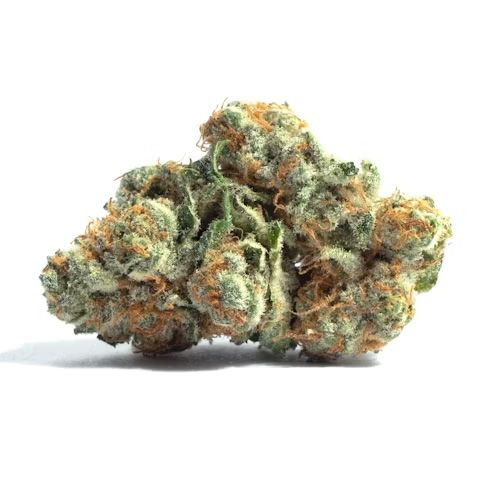
- Mango Mintality combines tropical flavor with a clear, creative calm that many use for quiet evenings or relaxed social settings.
- Neapolitan Ice Cream rounds out the lineup with a dessert-smooth finish and a steady, body-centered comfort that suits high-tolerance users seeking depth without fog.
Beyond Flower: CBD:THC Ratios in Edibles, Oils & Cartridges
Flower is only one path to relaxation. Many people now rely on edibles, tinctures, and vape cartridges to manage stress or prepare for rest. Each format delivers cannabinoids differently, which means the same 5:1 or 1:1 ratio can feel milder or stronger depending on how it enters the body.
Learning how to read and interpret those ratios helps you set realistic expectations and avoid overdoing it.
Pay Attention to the Label
Every cannabis product includes a ratio for a reason. A 5:1 tincture absorbed under the tongue acts faster and fades sooner than a 5:1 edible that travels through digestion.
Edibles often take an hour or more to activate and can last up to six hours, while inhaled options deliver a near-instant effect that wears off quickly. Timing and method matter as much as the cannabinoids themselves.
If a balanced vape feels fleeting or a high-CBD edible seems slow to relax you, the reason usually lies in onset time and personal metabolism rather than the ratio itself.
For evening relaxation, many users take CBD-forward edibles about an hour before bed, while those looking for quick relief prefer a few puffs from a moderate THC cartridge.
Elevated Montana’s edibles and carefully tested oils make that process consistent, so each dose performs the way the label promises.
Pro Tips for Safe Use
Finding the right balance between calm and control comes down to patience and precision.
- Begin with 2.5 to 5 milligrams of THC equivalent and wait before adding more.
- Allow for full onset: roughly one to two hours for edibles, 15 to 30 minutes for tinctures, and a few minutes for vaporized products.
- Keep an eye on the stated CBD:THC ratio and total milligrams before purchasing, particularly when exploring brands outside Montana.
- Record what works for you. Tracking timing, ratio, and product type makes it easier to recreate the most relaxing results next time.
Your Body Knows What the Best Formula Is
You have to move beyond the mindset that ‘weed is just weed’ and start paying attention to the chemical balance. CBD to THC ratio is typically not prominently featured in marketing, but it can tell you more about your cannabis flower or edible than a catchy strain name or indica/sativa characterisation ever could.
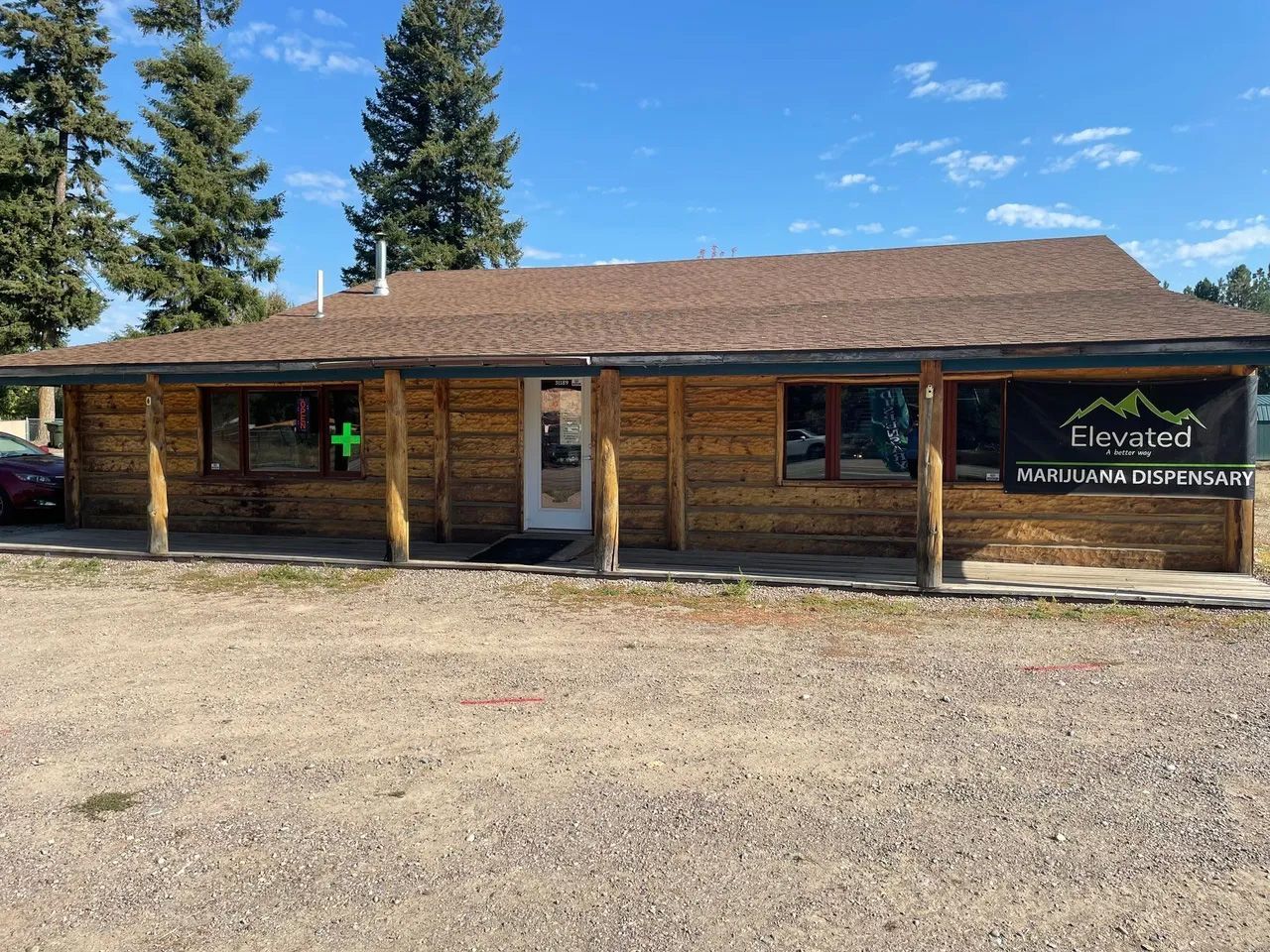
The first step is knowing what your body needs, but the next step is learning where to find it. With a network of dispensaries spanning the state and a vast range of carefully engineered strains and products, Elevated Montana is your go-to supplier of legal weed.
Visit one of our locations and discover your perfect CBD:THC balance, grown here, tested here, made to help you relax the Montana way.
Disclaimer
The information provided in this article is intended for educational purposes only and should not be taken as medical advice. CBD and THC products affect individuals differently, and results can vary based on dosage, body chemistry, and product formulation. Always consult a qualified healthcare professional before using cannabis products, especially if you have medical conditions, are pregnant or nursing, or are taking prescription medications.
References
Campos, A. C., Moreira, F. A., Gomes, F. V., Del Bel, E. A., & Guimarães, F. S. (2012). Multiple mechanisms involved in the large-spectrum therapeutic potential of cannabidiol in psychiatric disorders. Philosophical Transactions of the Royal Society B: Biological Sciences, 367(1607), 3364–3378.
Crippa, J. A., Derenusson, G. N., Ferrari, T. B., Wichert-Ana, L., Duran, F. L., Martin-Santos, R.,
... & Zuardi, A. W. (2011). Neural basis of anxiolytic effects of cannabidiol (CBD) in generalized social anxiety disorder: A preliminary report. Journal of Psychopharmacology, 25(1), 121–130.
Laprairie, R. B., Bagher, A. M., Kelly, M. E., & Denovan-Wright, E. M. (2015). Cannabidiol is a negative allosteric modulator of the cannabinoid CB1 receptor. British Journal of Pharmacology, 172(20), 4790–4805.
Niesink, R. J., & van Laar, M. W. (2013). Does cannabidiol protect against adverse psychological effects of THC? Frontiers in Psychiatry, 4, 130.
Pellegrino, A. S., Walsh, C., & Zuardi, A. W. (2022). The entourage effect: Terpenes and cannabinoids, beyond the high. Pharmaceuticals, 17(11), 1543.
Schleicher, E. M., Friedel, G., & Kleykamp, B. A. (2023). The effects of cannabidiol (CBD) on the acute physiological and psychological responses to delta-9-tetrahydrocannabinol (THC): A systematic review. University College London Discovery.
Wall, M. B., Cahn, B. R., & Bhattacharyya, S. (2022). CBD and THC alone and in combination alter resting state networks in healthy volunteers: A randomized fMRI study. Journal of Psychopharmacology, 36(6), 707–720.
Zimmermann, U. S., Winkelmann, P. R., Pilhatsch, M., Nees, J. A., Spanagel, R., & Schulz, K. (2022). Δ9-Tetrahydrocannabinol and cannabidiol: Anxiety and mood effects—A systematic review. Current Addiction Reports, 9(4), 595–610.
Recent Posts