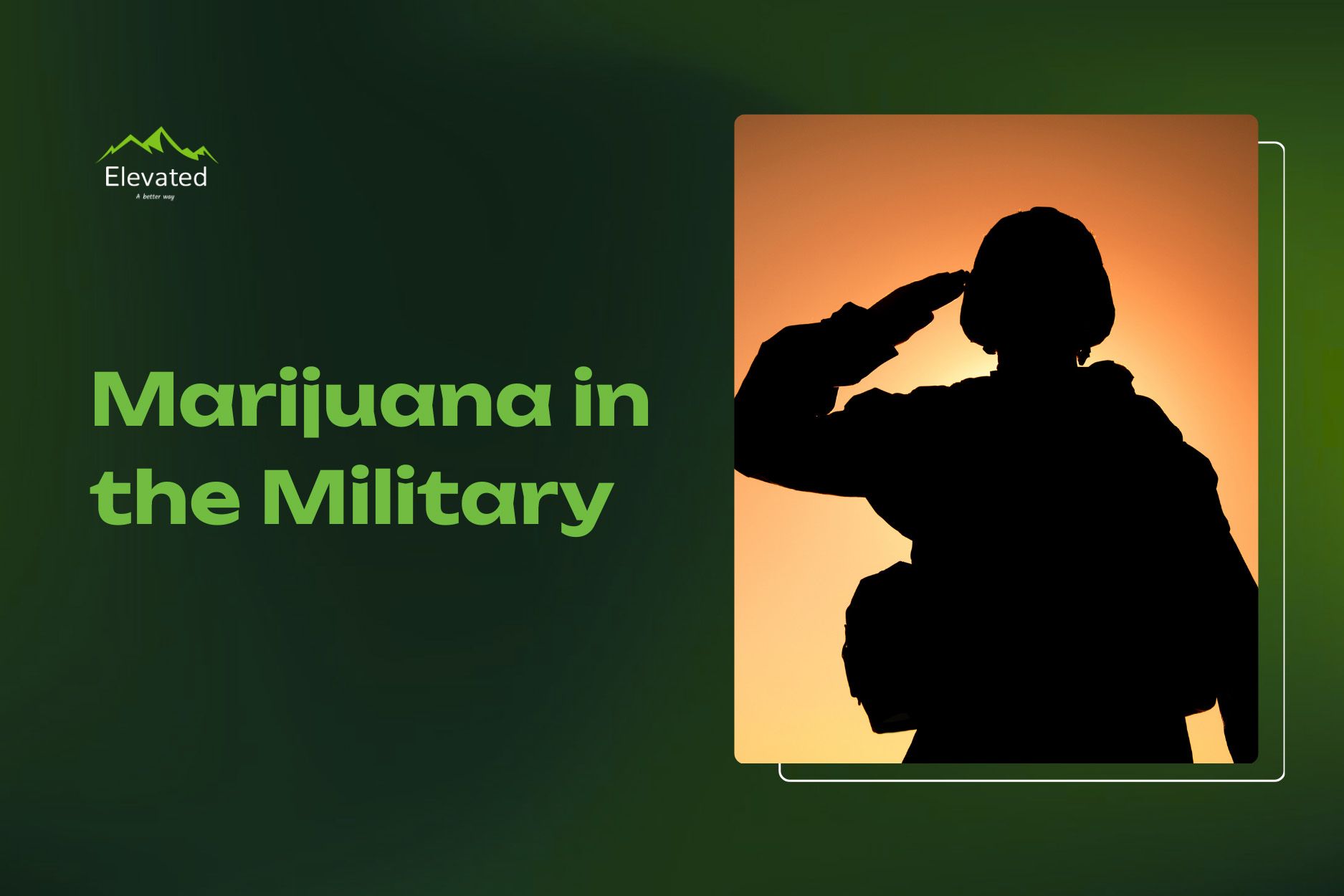
Marijuana in the Military: Rules, Testing & Veteran Use
Marijuana use is prohibited for all U.S. military members under the Uniform Code of Military Justice (Article 112a). Possession or use on base is illegal, even in states where cannabis is legal. Violations can result in discharge or court-martial.
A Green Debate in a Uniformed World
Across the country, cannabis has gone from taboo to mainstream, but inside the military, the rules remain unchanged. Every branch of the U.S. Armed Forces still enforces a zero-tolerance policy toward marijuana, regardless of what’s legal beyond the base.
That clash between state freedom and federal order has created one of the most pressing debates in modern military life: should soldiers be allowed to use weed off duty?
Several factors keep the answer locked down:
- THC testing is absolute. A positive result means use, with no room to measure timing or impairment.
- Readiness and safety take priority, and leadership believes cannabis could compromise both.
- The Department of Defense’s entire Drug Demand Reduction Program is built on deterrence, not interpretation.
- Federal law still classifies marijuana as a Schedule I substance, which legally binds every service branch to prohibition.
Elevated Montana stands with those who serve and understands how this policy affects real people, from active-duty members to veterans seeking relief after service. The brand supports the men and women who carry out their duties under strict federal rules while promoting safe, regulated access for those transitioning back to civilian life.
This article explains exactly where the military draws its boundaries on marijuana use today, why those lines remain firm, how policies are evolving as legalization spreads, and what veterans across Montana can explore for safe, compliant wellness once their service concludes.
Why Marijuana Remains Banned in the U.S. Military

Public attitudes toward cannabis have changed dramatically, but the military’s position has not. The Department of Defense continues to enforce a zero-tolerance policy.
For leadership, the issue is less about morality and more about maintaining consistency, readiness, and the perception of trust within the ranks. Federal law, combined with the practical limits of current testing methods, keeps cannabis firmly off-limits for all service members.
Legal Landscape: Federal Law Still Rules
The foundation of military policy begins with federal classification. Under the Controlled Substances Act, marijuana is listed as a Schedule I drug, placing it in the same category as heroin and LSD. This classification identifies it as having “no accepted medical use” and a high potential for abuse, regardless of the mounting evidence to the contrary.
Because every military base operates as federal property, state legalization has no bearing on what is permitted within its gates. Even in states like Montana, where cannabis is legal for both medical and adult use, service members remain subject to federal law and military regulation.
It is also important to distinguish hemp from marijuana. Hemp products that contain no more than 0.3 percent THC are legal under the
2018 Farm Bill, while marijuana contains higher concentrations of THC and remains federally illegal. However, the two plants look and smell nearly identical, which adds confusion and risk for those under military jurisdiction.
The Readiness Argument
Military readiness depends on alertness, coordination, and clear decision-making. Leaders argue that any psychoactive substance capable of altering judgment or reaction time undermines those qualities.
There is still no accurate, on-site method for measuring cannabis impairment, and standard tests detect use long after effects fade. Until technology provides a reliable way to separate off-duty use from on-duty impairment, the military views a zero-tolerance approach as the only policy that protects safety and mission integrity.
The Consequences of Marijuana Use for Active Service Members
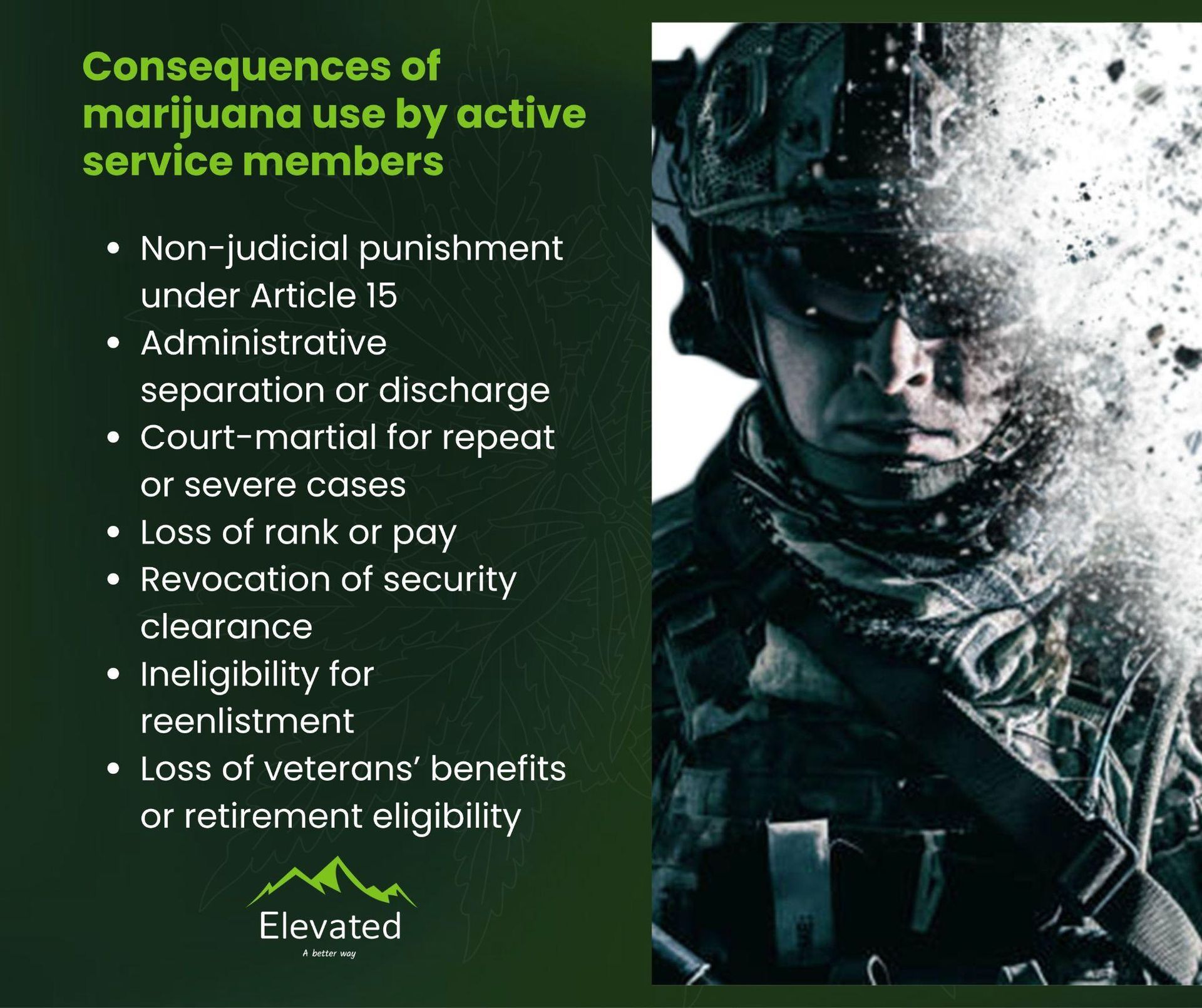
For active-duty service members, marijuana remains one of the few absolute lines the military won’t cross. Under Article 112a of the Uniform Code of Military Justice, the use, possession, distribution, or introduction of marijuana and its derivatives is strictly prohibited.
The law treats cannabis the same as any other controlled substance, regardless of state legalization or medical prescriptions.
A single positive THC result can bring serious consequences. Commanders may issue
non-judicial punishment under Article 15, pursue administrative separation, or escalate to a court-martial for repeat or aggravated offenses.
These actions can lead to rank reduction, pay forfeiture, loss of security clearance, or a discharge that affects future benefits. Even accidental use such as consuming mislabeled CBD products that contain trace THC can trigger these outcomes.
The Department of Defense’s Drug Demand Reduction Program reinforces a zero-tolerance standard by conducting random testing across every branch.
Service members often express frustration with the lack of distinction between intentional use and inadvertent exposure, but the policy leaves little room for interpretation.
What Counts as Possession on Base
Any product containing THC is considered contraband on a military installation. That includes vape pens, edibles, topicals, and hemp-derived products labeled as legal in civilian markets.
Possession extends beyond service members; civilian employees, contractors, and dependents living or working on base can also face federal penalties or permanent revocation of base access if found with cannabis products on federal property.
Marijuana and Military Recruits — How Past Use Affects Enlistment
Legal cannabis might be part of everyday life for many young Americans, but for those considering enlistment, that history still matters. The Department of Defense views marijuana use before service as a potential indicator of reliability and judgment, though policies have shifted slightly with the wave of state-level legalization.
Each branch maintains its own procedures for screening applicants, yet they all share one expectation: full honesty during the recruitment process.
Honesty is Key
Every recruit must complete a medical and background screening that includes disclosure of prior drug use. Recruiters don’t expect every applicant to have a spotless record, but they do expect transparency.
Occasional or experimental use (particularly if it happened years before applying) can often be waived after an evaluation. These waivers are granted through a formal process that weighs frequency, recency, and surrounding circumstances.
However, repeated use, use within the past few months, or any marijuana use after entering the Delayed Entry Program (DEP) can lead to disqualification. The DEP phase signifies a commitment to serve, and continued use after signing paperwork signals a breach of trust that recruiters take seriously.
Each case is reviewed individually, but the rule is clear: concealment or dishonesty about drug history can result in permanent disqualification for fraudulent enlistment.
The Evolving Policy in the Legalization Era
Recruiters across the country report more nuanced handling of marijuana admissions since state legalization became widespread. Some branches now consider factors such as state laws at the time of use, how long it has been since the last instance, and whether the applicant shows strong performance in other areas like academics, fitness, or aptitude testing.
These changes don’t amount to a policy reversal, but they do signal a more practical approach, one that acknowledges shifting cultural norms while preserving the military’s standards for readiness and integrity.
How Drug Testing Works in the U.S. Military
Drug testing in the U.S. military functions as both a deterrent and a safeguard for operational readiness. The system relies on precision, consistency, and clear standards.
Each branch follows the Department of Defense’s Drug Demand Reduction Program, which applies uniform testing protocols across all installations. The program’s purpose is to detect drug use with measurable accuracy, leaving interpretation out of the equation.
The Random Urinalysis System
Random urinalysis testing has been a defining feature of military drug policy since the 1980s. Units are selected without advance notice, and large groups can be called in at any time.
Samples are collected under direct supervision to ensure integrity, then processed at certified laboratories using highly sensitive screening methods.
Testing happens frequently. Many commands test monthly, while others add extra screenings after deployments, incidents, or any suspicion of use.
The element of surprise is intentional. It reinforces awareness that testing can occur at any time and helps leadership identify early signs of misuse across the force.
Detection Windows and Thresholds
The detection threshold for THC, the psychoactive compound in marijuana, is very low. THC metabolites can remain in urine for up to thirty days, depending on metabolism, frequency of use, and body composition.
A single off-duty use in a legal state may still trigger a positive result weeks later.
Unlike alcohol testing, urinalysis cannot determine when or how much was consumed. It only confirms the presence of metabolites. This inability to measure impairment is one reason military policy remains cautious despite wider legalization across the country.
What Happens After a Positive Test
Once a positive result is confirmed, the service member’s command receives the report and begins review.
Outcomes vary by branch, rank, and prior record. Some members may receive counseling or enrollment in a substance misuse program. Others face non-judicial punishment or administrative separation.
The impact can reach far beyond immediate discipline. A single confirmed positive can halt promotions, end security clearances, or permanently affect eligibility for benefits and reenlistment.
What About Legal Cannabinoid Products?
The surge in hemp-derived products has blurred the line between what is considered legal in civilian life and what remains banned under military law. Service members often see CBD oils, gummies, or topicals sold over the counter and assume they are safe.
In reality, the military treats all cannabinoid-based consumables as off-limits, even if they are labeled THC-free. The reason comes down to quality control and legal consistency.
Civilian markets operate under a patchwork of regulations, and not all products meet federal or laboratory standards. Without a reliable national framework for purity or potency, the Department of Defense maintains a blanket prohibition to avoid accidental violations and confusion.
Why Even CBD is Banned
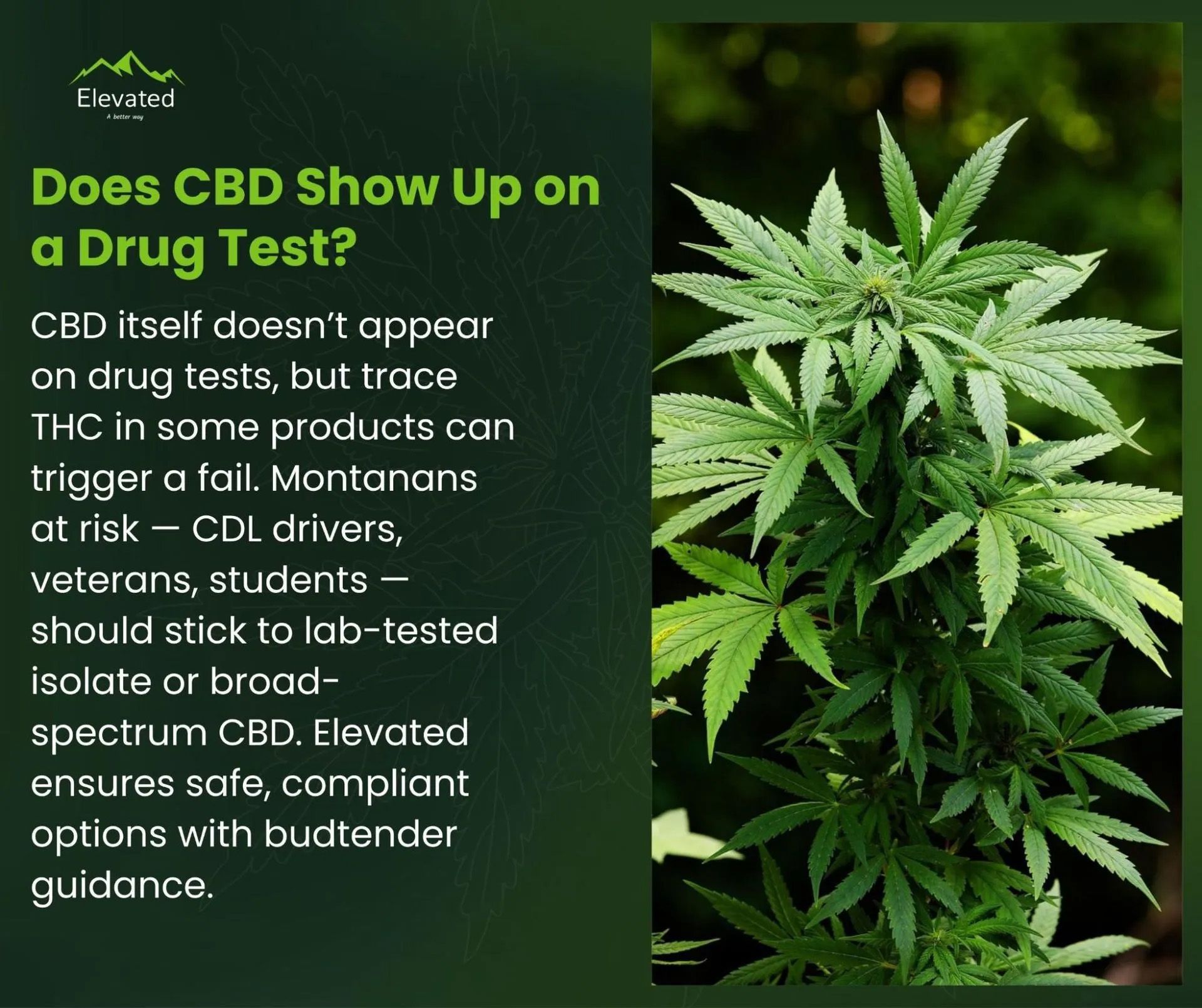
Independent testing has shown that a significant number of commercial CBD products are mislabeled. Studies indicate that roughly one in five items contain measurable THC, enough to trigger a positive drug test.
Because urinalysis detects the presence of THC metabolites rather than intent, even trace contamination can end a service member’s career.
To remove ambiguity, the military prohibits all hemp-derived consumables. That includes oils, tinctures, gummies, teas, capsules, and even topical creams. The same rule applies to dietary supplements marketed as “CBD isolate” or “hemp extract.”
Are Medical Exceptions Possible?
The only legal cannabinoid product authorized for military use is Epidiolex, an FDA-approved prescription medication used to treat certain seizure disorders. It contains a purified form of cannabidiol and can be prescribed under close medical supervision.
Beyond that exception, there are no waivers or medical-cannabis exemptions for active-duty members. State medical cards and civilian prescriptions hold no authority on federal property. Until national cannabis laws change, service members remain bound by the strictest interpretation of federal drug policy.
Veterans and Cannabis – From Punishment to Healing
After decades of prohibition during active service, many veterans now explore cannabis as a therapeutic tool once they return to civilian life.
The shift reflects a cultural and medical awakening: cannabis is increasingly viewed as a legitimate option for managing pain, anxiety, and trauma symptoms. Veterans often face higher rates of psychological issues than the general population, and many are seeking relief through legal, regulated access points rather than traditional pharmaceuticals.
Across Montana and the nation, more veterans are turning to dispensaries that prioritize compliance, transparency, and education. Their goal is not escape but recovery—finding plant-based relief that supports quality of life after years of service.
Why So Many Veterans Turn to Cannabis
Veterans identify several key reasons for turning to cannabis therapy:
- Relief from post-traumatic stress disorder (PTSD) and anxiety symptoms.
- Reduction in chronic pain without relying on long-term opioid use.
- Improvement in sleep quality, including fewer nightmares and better rest.
- A natural way to promote balance, focus, and calm during reintegration.
Scientific evidence continues to grow around these benefits. A 2023 analysis in JAMA Psychiatry examined the use of cannabinoids for pain and PTSD among veterans and found promising early outcomes.
In addition, research published by Frontiers in Psychology reported short-term reductions in intrusive memories and negative mood following cannabis use among veterans with PTSD.
Although these results are encouraging, physicians within the Department of Veterans Affairs still cannot prescribe cannabis because it remains a Schedule I substance under federal law.
However, VA doctors may discuss its use with patients and record it in medical files without affecting benefits in states where it is legal.
The Lingering Stigma
Stigma remains a persistent barrier. Many veterans fear that disclosing cannabis use could harm their reputation or affect their disability ratings. Others still view cannabis through the outdated lens of the “war on drugs,” associating it with irresponsibility rather than recovery.
This hesitation prevents open dialogue, even in states where medical use is fully legal. As more evidence emerges and veteran-led advocacy grows, these old narratives are beginning to fade.
The conversation is shifting from punishment to healing, with veterans leading the way toward a more compassionate, science-based approach to wellness.
Supporting the Uniform – Military-Friendly Cannabis in Montana
Montana’s veteran community has helped shape the state’s cannabis culture from the ground up. Many of those who once wore the uniform now rely on plant-based relief to manage pain, improve sleep, and ease the mental strain that can follow years of service.
Elevated Montana has built lasting relationships with this community by keeping its promise to deliver safe, locally grown cannabis and by supporting veterans long after they’ve left active duty. Our approach blends respect for regulation with a genuine focus on wellness and education.
Elevated Montana’s Commitment to Veterans
Elevated Montana’s veteran outreach is rooted in service, community, and transparency. The company operates with values that reflect the discipline and integrity veterans understand best.
Here’s how that commitment shows up every day:
- Veteran discounts available across all Elevated Montana locations, ensuring affordable access to premium products.
- Compliance-first operations that meet or exceed all Montana state testing and labeling standards, giving veterans peace of mind about what they consume.
- Budtender-guided education focused on effects rather than strain names, helping veterans choose options for pain management, sleep improvement, or stress relief.
- Community initiatives such as local food drives and participation in veteran-focused events, reinforcing Elevated’s role as a trusted local partner.
Veteran-Favorite Strains at Elevated Montana
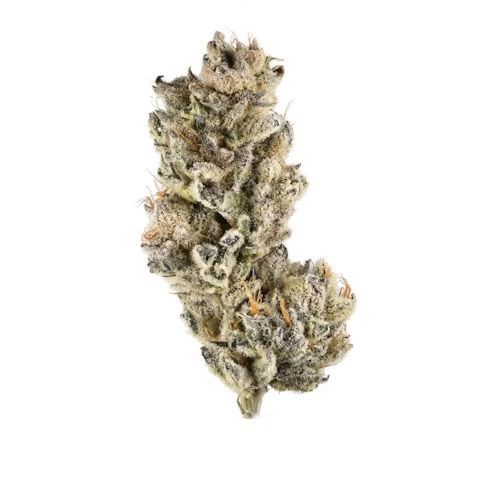
Elevated’s in-house flower lineup features more than seventy strains, each cultivated and cured for consistent potency and clean flavor. Among them, a few have become standouts within the veteran community:
- Treasure Berry – A balanced hybrid known for a mellow body high and fruity aroma that eases tension without heavy sedation.
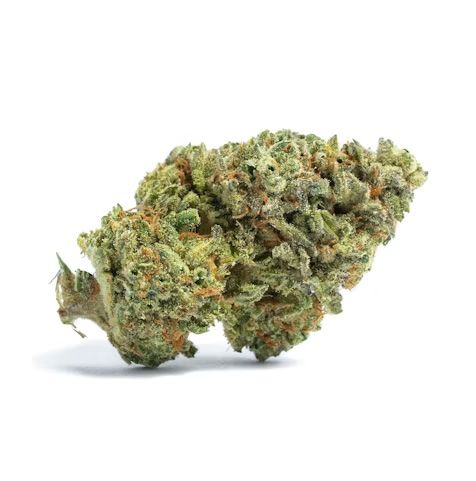
- Peel Out – A bright, citrus-forward strain that offers daytime relief for pain or fatigue while keeping the mind clear.
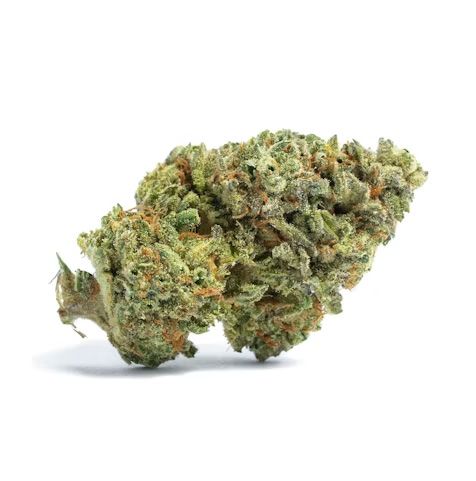
- Purple Punch – A soothing evening cultivar that promotes deep relaxation, reduces anxiety, and helps veterans wind down after long days.
The Future of Cannabis and the Military
Across federal agencies and defense circles, conversations about cannabis policy are finally beginning to evolve. Lawmakers continue to debate rescheduling marijuana from its current classification under the Controlled Substances Act, which could open the door to new research and reconsideration of workplace policies.
Within the Pentagon, the discussion now includes whether off-duty cannabis use might one day be treated more like alcohol, that is, permissible in moderation, prohibited on duty.
Technology may help drive that shift. Several research firms and biotech companies are developing portable testing devices designed to detect recent THC use within a few hours rather than weeks.
These “weed breathalyzers” could give the military a way to differentiate between past and current use, a distinction that is impossible with today’s urine tests. Widespread adoption would require years of validation and policy coordination, but the groundwork is being laid.
For now, the message from leadership remains consistent. As long as cannabis is federally illegal, every branch of the U.S. military will continue to enforce a zero-tolerance standard.
Until national law changes, the only way active-duty members can stay fully compliant and protect their careers is by maintaining complete abstinence from all cannabis products.
Serving with Integrity, Healing with Intention

For now, the U.S. military draws a hard line: no marijuana, no exceptions. But for veterans who’ve traded uniforms for healing, cannabis offers a legal path to wellness. This is an option that deserves to be explored with an open mind, disregarding the negative connotations once associated with this plant.
Of course, veterans are dedicated to upholding the US laws and they will consider only fully legal options. Companies like Elevated Montana are 100% compliant with state regulations for cannabis products and we offer only safe, tested products with certified content.
Visit your local Elevated dispensary to learn how our Montana-grown products can support rest, recovery, and relief for those who gave their all for the freedom and prosperity of our proud country.
References
Department of Defense. (2012, September 13). DoDI 1010.01: Military personnel drug abuse testing program (MPDATP). Washington, DC: U.S. Department of Defense.
Department of the Air Force. (2023, September 5). DAFMAN 44-197: Military drug demand reduction program (Interim Change). Washington, DC: Department of the Air Force.
U.S. Department of Veterans Affairs, National Center for PTSD. (2025). Cannabis use and PTSD among veterans. Washington, DC: U.S. Department of Veterans Affairs.
U.S. Food and Drug Administration. (2025). Epidiolex (cannabidiol) oral solution: Highlights of prescribing information. Silver Spring, MD: U.S. Food and Drug Administration.
United States Code. (2025). 10 U.S.C. § 912a: Article 112a. Wrongful use, possession, etc., of controlled substances. Washington, DC: U.S. Government Publishing Office.
Wolfgang, A. S., & Hoge, C. W. (2023). Cannabis and cannabinoids for pain and posttraumatic stress disorder in military personnel and veterans. JAMA Psychiatry, 80(9), 869–870.
Nacasch, N., Avni, C., & Toren, P. (2023). Medical cannabis for treatment-resistant combat PTSD. Frontiers in Psychiatry, 13, 1014630.
Recent Posts